Ward Harlan Construction
Plaster - Repair - For Business
Serving Atkinson, NE and surrounding areas
In business since 2013
Free estimates
Emergency services offered
"Customer is needing doors and windows."
Recommended by100%of homeowners

Serving Atkinson, NE and surrounding areas
In business since 2013
Free estimates
Emergency services offered
"Customer is needing doors and windows."
Serving Atkinson, NE and surrounding areas
In business since 2000
Reliant Construction offers full service home improvement crews, including roofing, siding, windows, and gutters. We service Northern Kansas, Eastern Colorado and the entire state of Nebraska. We will travel to your job request site.
Serving Atkinson, NE and surrounding areas
In business since 2020
Free estimates
Credit card accepted
We're a locally owned and operated company with over 22 years of industry experience. We value honesty and integrity in all aspects of our business. We offer a variety of Home Improvement services that are customizable to each individual project. We specialize in handyman/carpentry work and a variety of related service and repair projects. We pride ourselves on the quality of our work as well as our commitment to outstanding results. We look forward to building lasting relationships with our clients and guarantee your satisfaction!
From average costs to expert advice, get all the answers you need to get your job done.
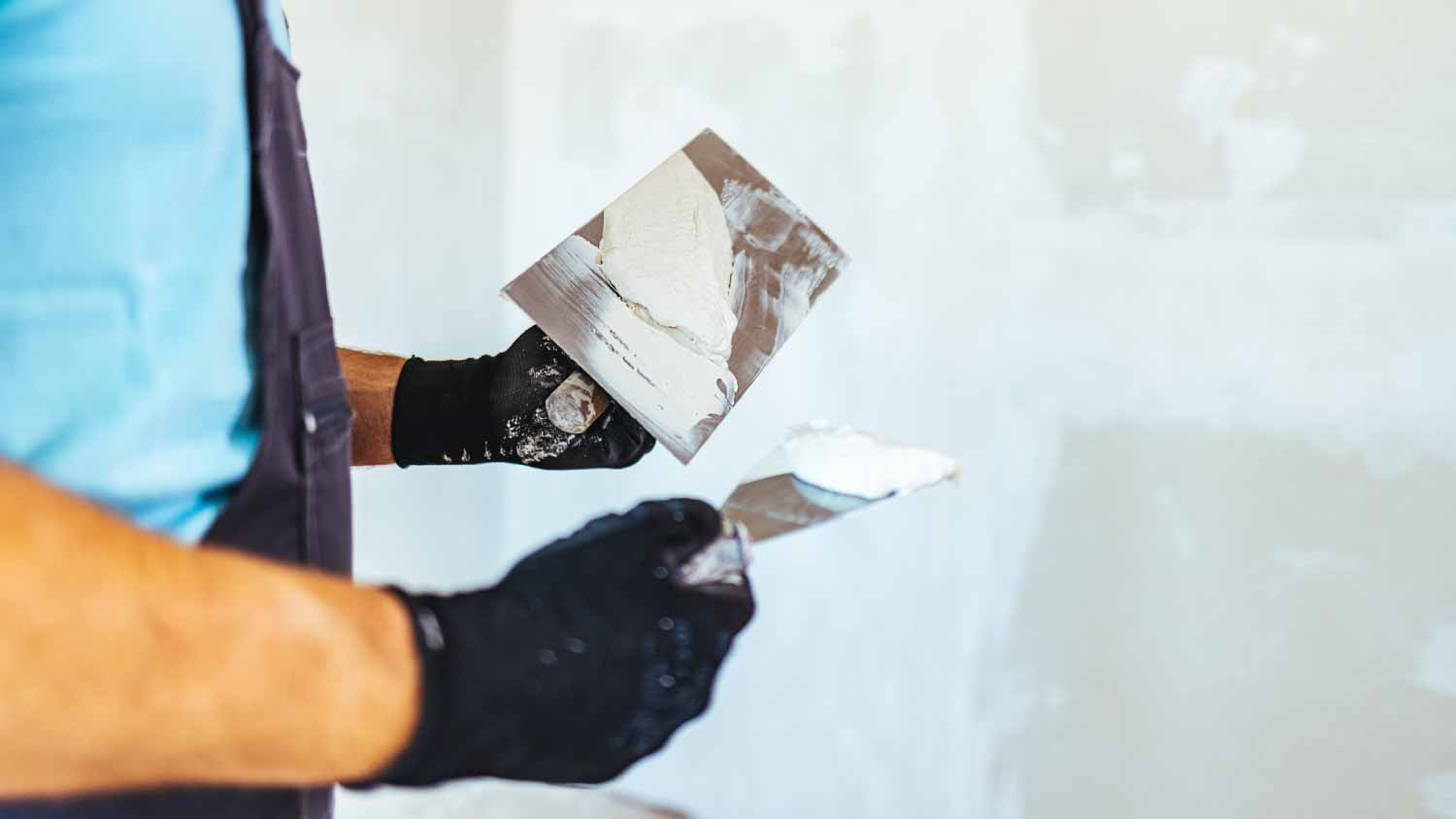
Plaster repair costs are determined by the size and type of damage. Discover why some fixes you can DIY and why some require a pro’s help.
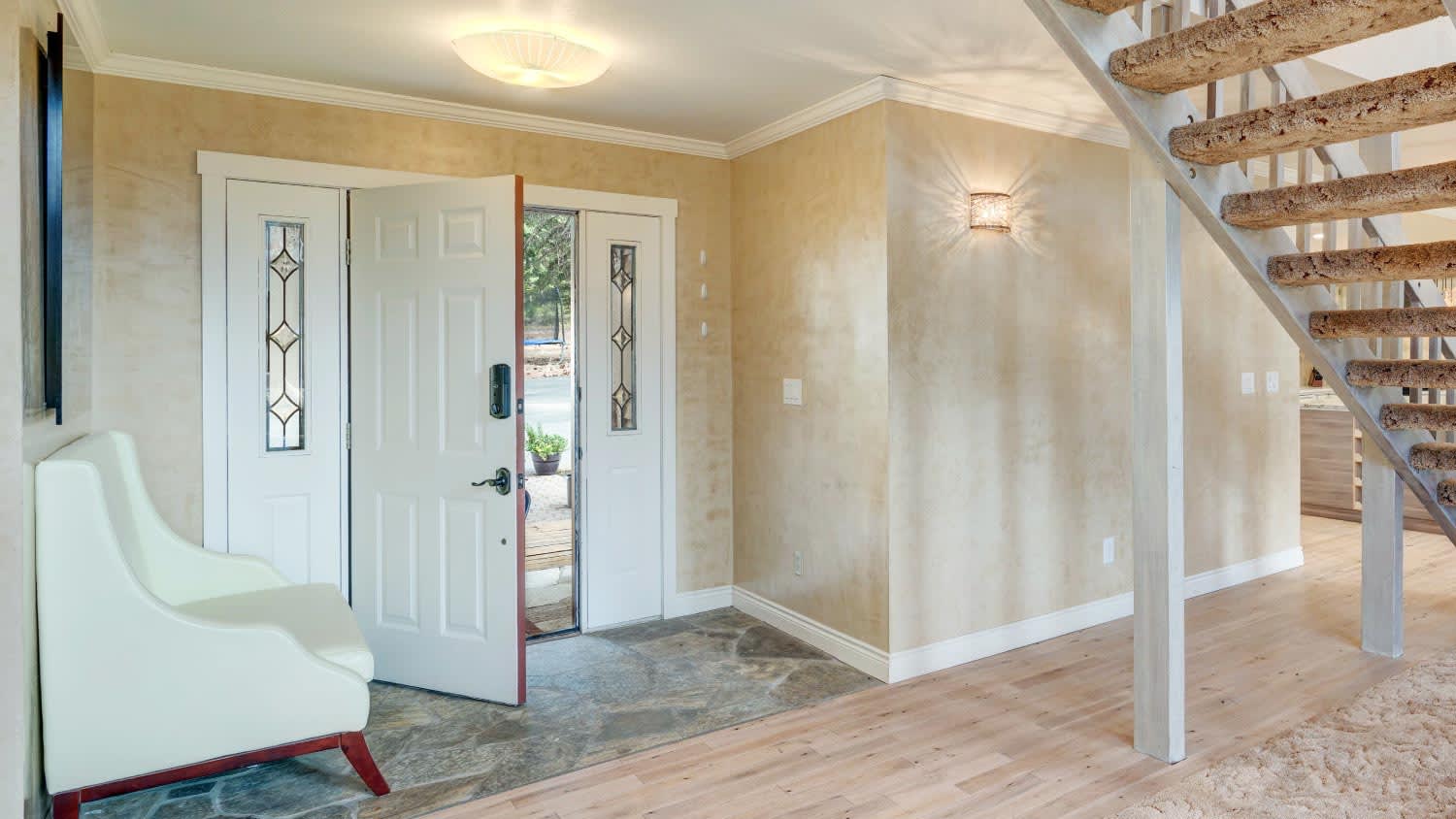
Venetian plaster can add depth and texture to your aesthetic. Learn how much Venetian plaster costs based on factors like square footage and whether you hire a pro to help.

The cost of plastering walls and ceilings depends on the room size and ceiling height. Our tips can help you estimate an accurate cost.
Planning a plaster repair project? Learn about the process, average costs to expect, and how to hire the right local pro to restore your walls.
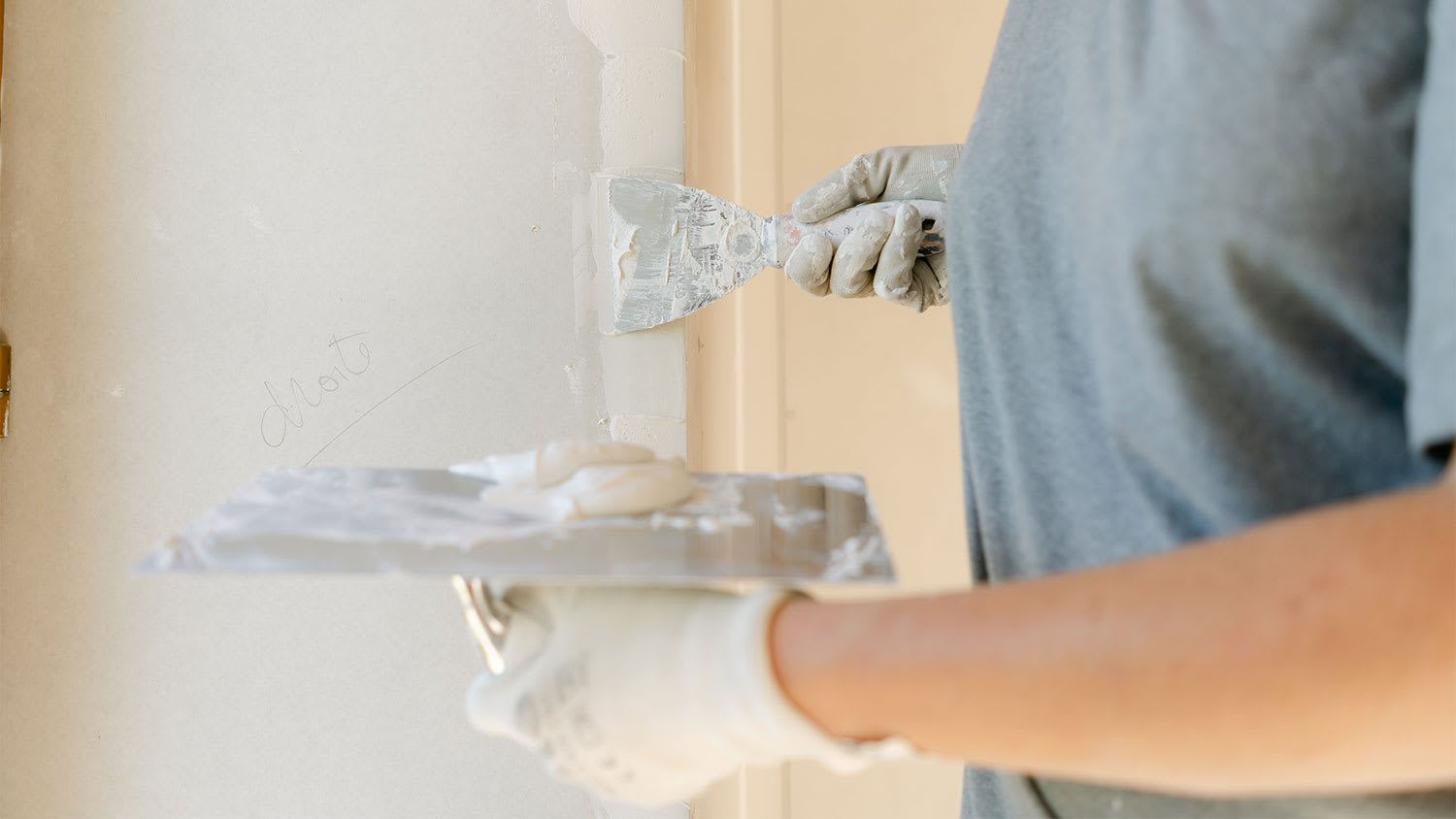
Finding a qualified plaster repair pro? Learn how to hire the right specialist, what questions to ask, and what to expect for your project.

You can find plaster walls in a lot of older homes. What’s behind these walls—whether that’s lath or calcimine—can have an impact on how long they last. Finding out the age of your house can help you determine what you’re dealing with.