Here's the deal with leaving used rags covered in oil-based stain lying around in a pile: Depending on the conditions, these rags can take just an hour or up to a few days to combust. The source of ignition is caused by trapped heat that can be compounded if the rags are near a heat source.
Yes, professionals offer slip-resistant options for added workplace safety.
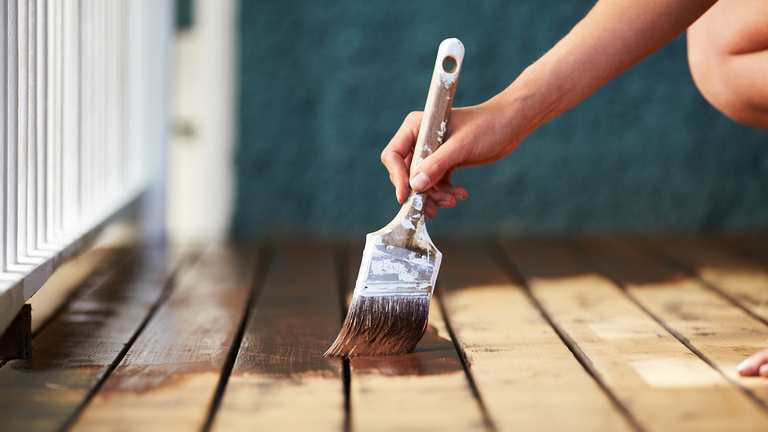
DIY staining or painting is manageable with proper preparation, including safety measures, necessary tools, and adherence to safe weather conditions for application.
Hangers are one way of attaching stair stringers to a deck. These metal hangers are usually adjustable, allowing you to find the ideal angle for a secure installation. They’re the best choice for installing longer staircases, such as one on a two-story deck, to reduce the load on the deck frame while keeping the stairs stable.
Yes, pressure-treated wood can occasionally turn green due to certain preservatives, such as copper-based chemicals, used during the treatment process. These chemicals react with the wood, creating a greenish tint. The good news? It's temporary, and the color will fade over time. Staining or painting can also help hide any unwanted hues.
The Walhalla, ND homeowners’ guide to deck staining services
From average costs to expert advice, get all the answers you need to get your job done.
The best time to stain a deck is when it’s dry but not too sunny. How often you restain a deck depends on climate and wood type, but every two to three years is normal.