"They were excellent, I would highly recommend. Everyone was very professional and showed up right when they said they would. They were gentle and everything arrived intact. They had us on the road in no time."
"I only use James when I need some work done to my house. He responds fast, gets the work done quicker than just about anyone else I've ever used and seems very concerned with leaving his customers happy."
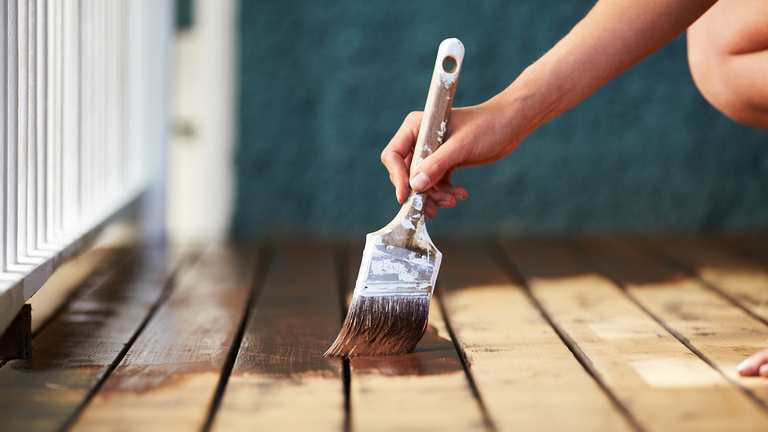
Rags used with oil-based stains are highly flammable and can spontaneously combust in the right conditions. To reduce the fire risk, throw them in a metal container after use and add rocks on top to secure them. Add an inch of water and seal the container. Take the rags in the container to a hazardous waste factory as soon as possible.
You can use latex or acrylic paint outdoors. Although acrylic paint tends to last longer outside, it also costs more, so if you’re painting the outside of your house, for instance, latex paint is often a go-to option. However, acrylic will be your best choice if you want to spend some extra money for added durability.
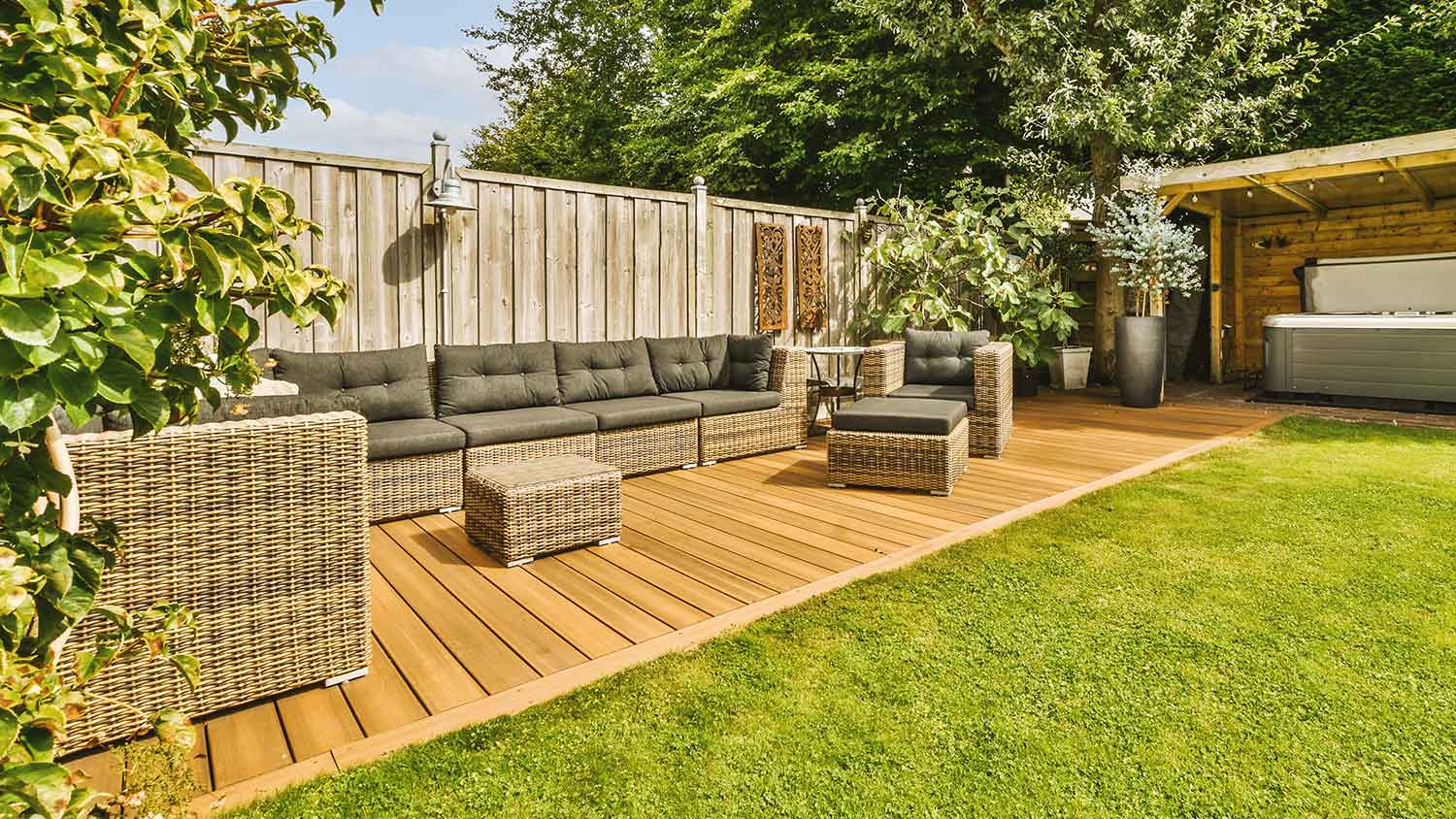
No, you don't need to stain Ipe decking, although you can if you want to change the color. You will, however, need to apply a UV coating if you don't want the natural color to fade. Speak to a deck staining specialist near you to discuss the best options if you want to stain your decking. And remember that you’ll need to seal your Ipe wood deck annually to protect it from scratches and Mother Nature.
Generally, these steps are included in exterior house painting:
Prepping and protecting the areas not being painted
Scraping away loose paint
Cleaning off dirt, grease, and debris
Caulking gaps and openings
Priming with a quality paint primer
Painting the prepared areas, including trim and accents with chosen paint finish
Adding a second coat
Cleaning up the site and disposing of tape, plastic, and drop cloths
Apply a wood stain or sealant to properly maintain a wood deck railing and keep it looking new. Sealants protect wood from moisture and weathering. Regularly inspect the railing for loose screws, damaged balusters, and other signs of wear to make timely repairs. Routinely clean the railing using mild soap, water, and a soft bristle brush.
The Langdon, ND homeowners’ guide to deck staining services
From average costs to expert advice, get all the answers you need to get your job done.
The best time to stain a deck is when it’s dry but not too sunny. How often you restain a deck depends on climate and wood type, but every two to three years is normal.