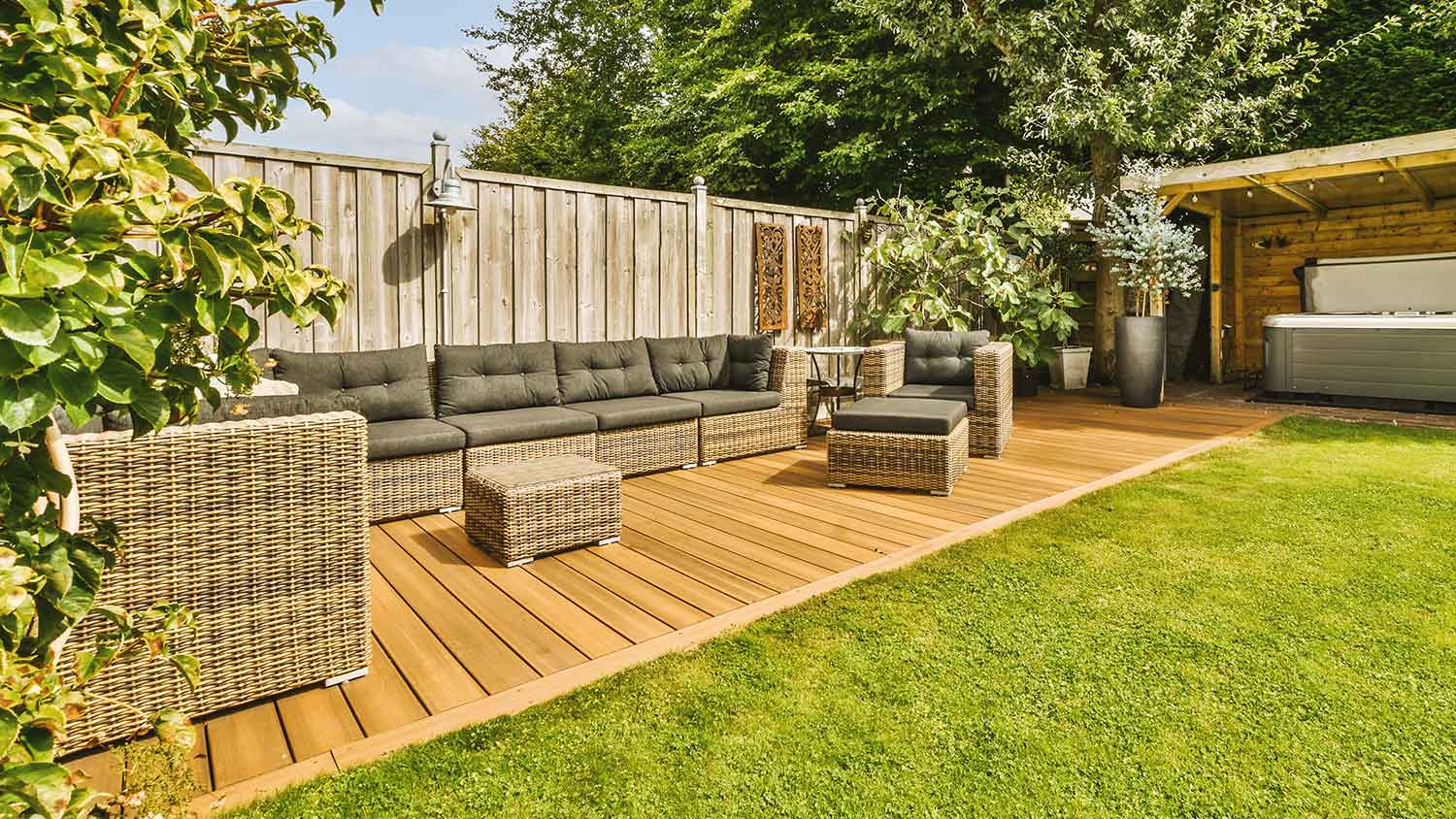




Top-rated deck staining pros.

Get matched with top deck staining pros in Saint Michael, ND

Enter your zip and get matched with up to 5 pros

Need a pro for your deck staining project in Saint Michael, ND?

Select your specific project to find the pro for you.

Find Deck staining pros in Saint Michael

Deck Staining questions, answered by experts

Yes, you must thoroughly clean your deck before staining. If you don't, dirt, debris, grease, and mildew can get trapped between the wood and the new stain. This not only looks unsightly but also prevents the stain from penetrating the wood properly, reducing its ability to protect the deck from weather and UV rays. As a result, the stain won't last as long or look as good. Any existing mold or mildew left untreated can continue to grow beneath the new stain, potentially leading to wood rot and structural damage. Always wait at least 48 hours after cleaning for the wood to dry completely before applying stain.

Two coats of stain are ideal for the best protection and aesthetic appeal. However, if your decking is made of particularly dense hardwood, you may only need one coat. If you want an intense color, two coats are ideal.

Yes, they provide design insights that enhance space utility and visual appeal.

It is not always necessary to remove old stain before restaining a deck. If the previous stain is in good condition and is compatible with the new stain, you may be able to apply a new coat after thorough cleaning. However, if the old stain is in bad condition, flaking, or peeling, it is best to remove it completely to ensure an even surface and proper adhesion for the new coat. Staining over a damaged layer can lead to an uneven finish and poor penetration. For best results, test a small area first and consult the stain manufacturer's guidelines.

Whether to brush or roll stain on wood depends on the project and your preference. Brushing is ideal for smaller, intricate areas and offers more control over the application, ensuring thorough coverage and penetration into the wood's grain. 

Conversely, rolling is efficient for more extensive, flat surfaces and can save time. However, it is not always the best fit for textured or uneven wood. Some projects may benefit from combining both methods, using a brush for detail work and a roller for broader areas. Ultimately, the choice between brushing and rolling depends on the specific requirements of your staining project.

The Saint Michael, ND homeowners’ guide to deck staining services

From average costs to expert advice, get all the answers you need to get your job done.