We take great pride in our experience, expertise, quality, and customer service that we provide to meet the consumers needs. It is our mission to provide excellent workmanship and complete customer satisfaction from start to completion of a project. In order to understand the needs and expectations of our customers, we take great care to work and communicate with every customer in a professional manner. Our reputation is based on service, safety, and quality, regardless of how large or small the job.
Aftercare includes routine cleaning, checking for water repellency, and promptly addressing any chips or peels, maintaining the deck's appearance and functionality.
You have a couple of options when choosing a durable pool deck coating. Epoxy is common and offers excellent stain and water resistance. Epoxy also withstands high temperatures and UV lighting, making it ideal for sunny spots. You can also add a coating to cement, which significantly lowers the temperature of the concrete, is environmentally safe, and makes cleanup a breeze.
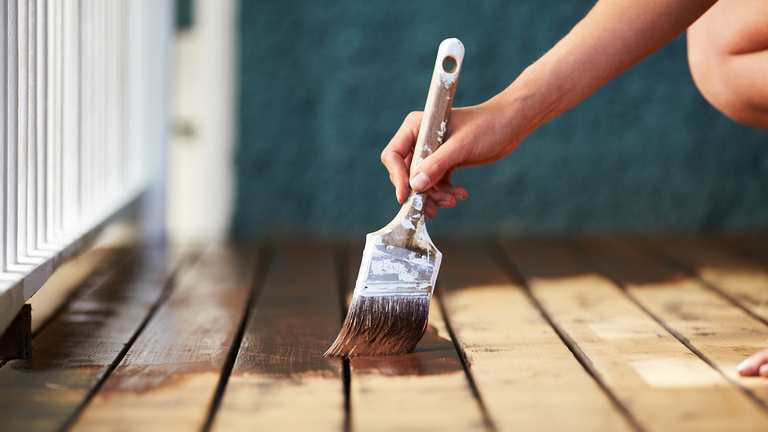
Many decking oils can help slow down algae growth, but they don't completely stop it. These oils work by sealing the wood, which reduces moisture and, therefore, algae growth. Some decking oils also help protect against UV damage, but they need to be reapplied according to the manufacturer’s instructions to ensure the decking stays protected.
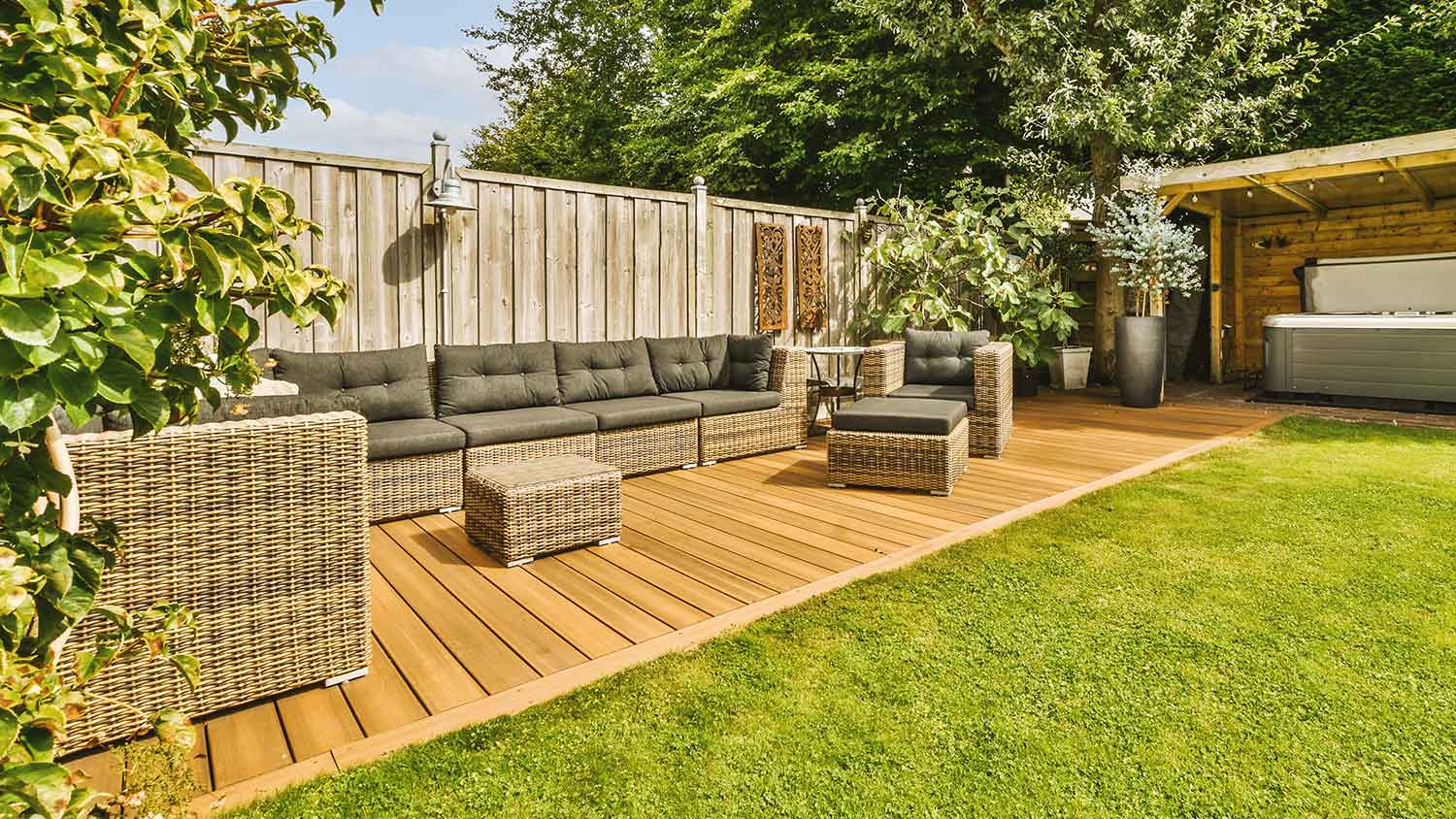
Ipe wood can last up to 75 years with minimal maintenance because its own oils help to preserve it. However, to get the most out of your Ipe wood deck, you should perform some routine maintenance, including regular cleaning, sweeping of leaves and debris, and rinsing spills with a hose. It’s also important to repair any deep scratches as soon as you spot them and reseal the deck annually to protect against scratches and scuffs.
Yes, you can waterproof any wood that has not already been treated. A good way to test this is to splash some water on it. If the water starts to bead up, the wood is treated and most likely doesn’t need another coating.
The Lakota, ND homeowners’ guide to deck staining services
From average costs to expert advice, get all the answers you need to get your job done.
The best time to stain a deck is when it’s dry but not too sunny. How often you restain a deck depends on climate and wood type, but every two to three years is normal.