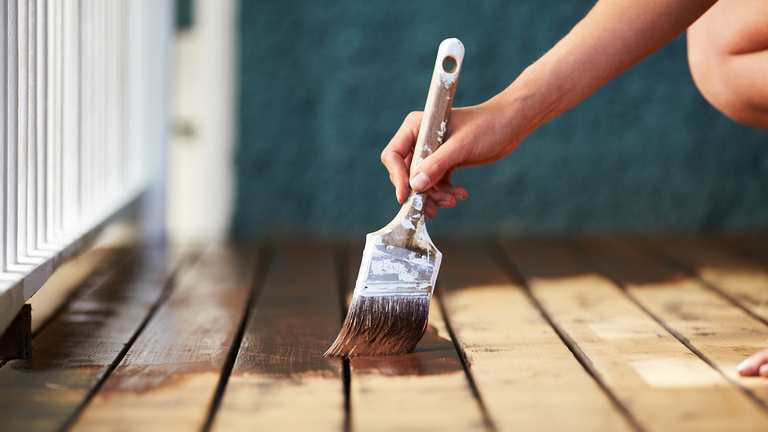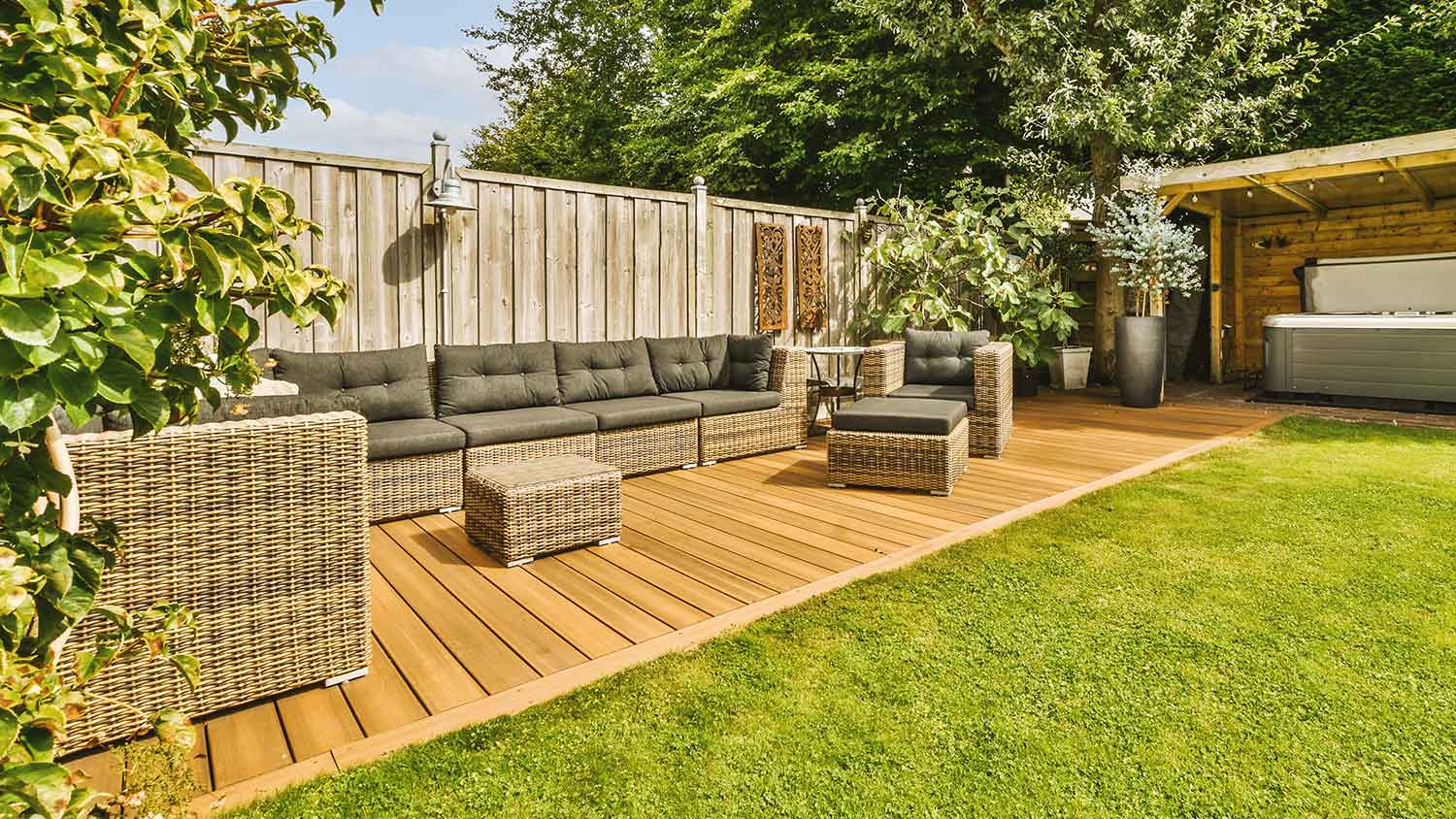

Top-rated deck staining pros.

Get matched with top deck staining pros in Belcourt, ND

Enter your zip and get matched with up to 5 pros

Need a pro for your deck staining project in Belcourt, ND?

Select your specific project to find the pro for you.

Find Deck staining pros in Belcourt

Deck Staining questions, answered by experts

Staining or sealing a cedar deck or fence is highly recommended to extend its lifespan and protect it from the elements. While cedar is naturally resistant to mold and mildew, it is not impervious to damage from moisture, sun exposure, splintering, fading, and rot over time. Applying a protective finish creates a shield that preserves the wood's strength and appearance, potentially extending its life by five to 10 years.

When choosing a finish, it's helpful to understand the difference between a sealer and a stain. A sealer sits on top of the wood, whereas a combination stain and sealer soaks into the top layer. Because it penetrates the wood, a stain generally offers better protection against UV damage and rot and lasts significantly longer. For the best results that also preserve the wood's natural color, consider using a near-translucent stain.

To maintain protection, plan on reapplying the stain or sealer every two to three years, either as a DIY project or by hiring a professional.

You’ll need to wait until the surface is completely dry, which can take anywhere from 24 to 48 hours under optimal conditions. The waiting period depends on several factors, including the type of siding and the weather conditions. Trying to paint before the surface is completely dry can trap moisture under the paint, leading to bubbling, blistering, and mold growth.

A five-gallon bucket of deck stain will cover roughly 875 square feet in a single coat. Actual coverage will vary based on the type of wood you’re staining and the number of coats. If you plan on doing multiple coats, multiply the square footage by the number of coats to calculate how many buckets of stain you’ll need.

Essential tools include brushes or rollers, drop cloths, sandpaper or power sanders, and appropriate cleaning supplies. Quality materials ensure long-lasting results.

Oxygen bleach uses hydrogen peroxide as a base and won’t harm wood when using it as a cleaner. On the other hand, chlorine bleach breaks down wood at the cellular level and causes irreversible harm. Although you may not see immediate damage to wood after exposing it to chlorine bleach, its strength and integrity are now compromised.

The Belcourt, ND homeowners’ guide to deck staining services

From average costs to expert advice, get all the answers you need to get your job done.