"They did great. The entire surface was level and free from tripping hazards. It is important to have them seal the cracks because there will be water from snow melt and the concrete will move. This will get you the 5 yr warrantee just in case."
We're dedicated to providing our clients with the very best in concrete installation and repair for driveways, sidewalks, patios, steps and a variety of other projects. With over 15 years of industry experience, we take an enormous amount of pride in the attention to detail put into each of the projects we're involved with. We're known for our quality work and the integrity of our business. We look forward to building long-term relationships with our clients, and guarantee your satisfaction.
"Very pleased With Josh and Mike's work ,they went above and beyond what I expected and made sure everything was just as we wanted !!!! I highly recommend them !"
With years of experience in the industry, you can rest easy knowing your home is in good hands. \n\nWe pride ourselves on our timely service and our attention to detail. That is why when it comes to your home, anything less than perfection is simply unacceptable. We treat every project as if we were working on a home of our own. It is our goal to not only meet your expectations but to exceed them.
We are a locally owned and operated company that values honesty and integrity in all aspects of our business. Our dedicated team of professionals have over 20 years of hands on experience, to provide innovative ideas and suggestions tailored to your projects. Our services are customized to your individual needs, paying close attention to the details of each project that we are involved with. Please feel free to contact us today!
Yes, pressure washers can remove rust stains from concrete. However, when coupled with an acid treatment, they can be even more effective. Just be sure to use a minimum of a 15-degree nozzle to prevent damage to the surface, and users must also be careful not to get in the way of the pressure washer’s jet as they can cut through skin and cause injury.
Combined with a cleaning agent, pressure washers and power washers are highly effective at removing driveway stains. However, these machines are not gentle, putting your driveway at risk of damage. Instead of renting a power washer yourself, ask a professional pressure washer for a consultation.
Deciding whether to buy or rent a pressure washer depends on your budget and how often you plan to use it.
Renting: The daily rental cost typically ranges from $40 to $175. Renting can be more cost-effective for a one-time project.
Buying: The purchase price for a pressure washer can range from $100 to over $1,000. More specifically, electric models generally cost between $100 and $400, while gas models run from $300 to $600.
If you anticipate using a pressure washer multiple times a year, buying one is often a better long-term investment. When purchasing, remember that a higher-quality machine will likely deliver better and more reliable results.
Jet washing can wash away weeds without bending or kneeling to pull them. However, the results will likely be fleeting because the weeds will return unless you use a stronger method that takes them out at the root. Use a jet washer for short-term weed removal, but use a stronger method if you want to get rid of weeds for good.
Maintaining a driveway depends on its material. For concrete and asphalt, it's best to clean the surface thoroughly twice a year with a stiff broom and a pressure washer to remove accumulated dirt and debris. Sealing the driveway is crucial to protect it from water damage and freeze-thaw cycles. Before applying a sealant, pressure wash the surface to remove any loose sealant, dirt, or stains, as sealing over them will trap them. Any cracks or expansion joints should be filled with a flexible polyurethane caulk or asphalt sealer. In colder climates, use sand instead of salt for de-icing. Sand helps melt snow and ice without accelerating the freeze-thaw process, which can cause cracks.
The Walhalla, ND homeowners’ guide to concrete driveway services
From average costs to expert advice, get all the answers you need to get your job done.
Between the endless customizations and decades of strength, the cost of a concrete driveway may be worth the investment. Let's break down your bottom line.
Before you hire a pro to pour a new concrete driveway, you should have a good idea of what you need. Discuss these concrete driveway installation questions with a pro.
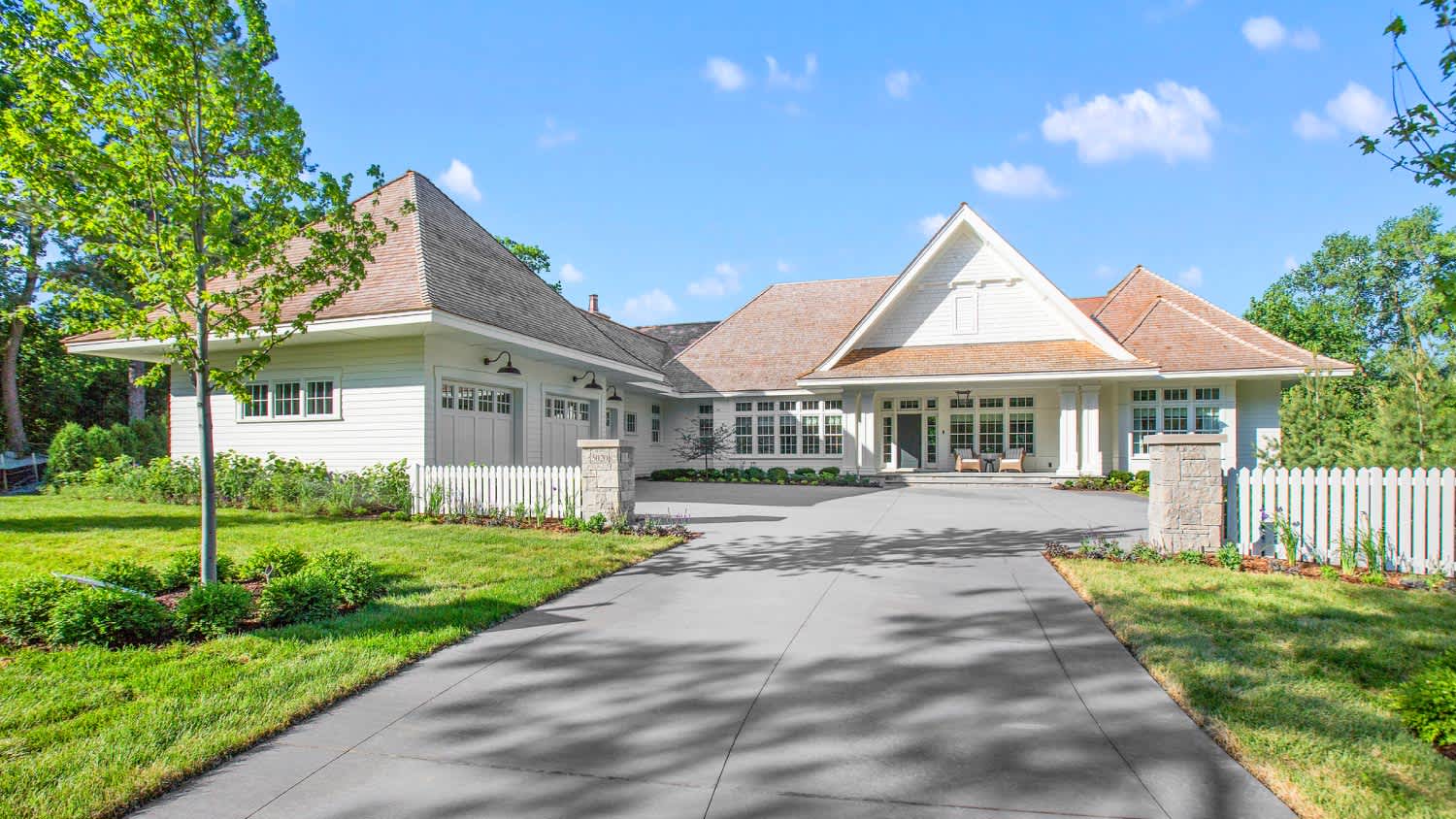
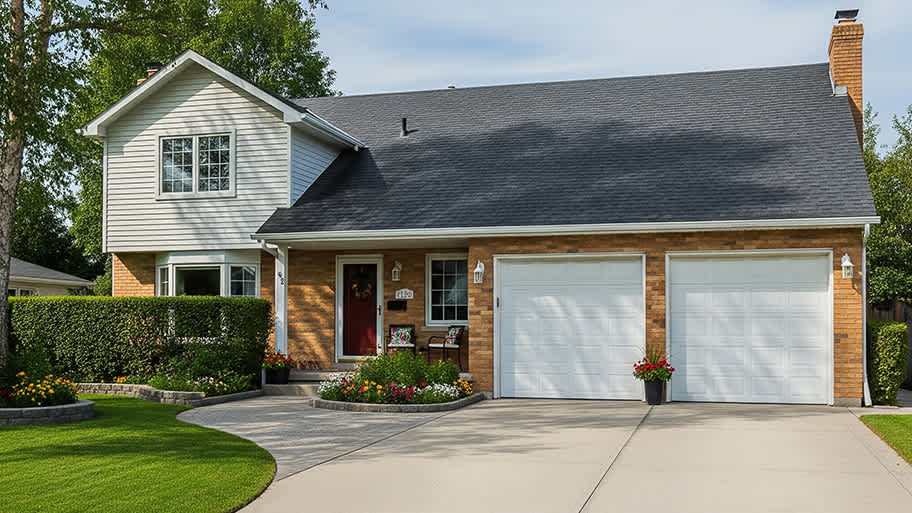
Thinking about a new concrete driveway? Learn about installation costs, design options, and how to hire the right local pro for your home's exterior upgrade.