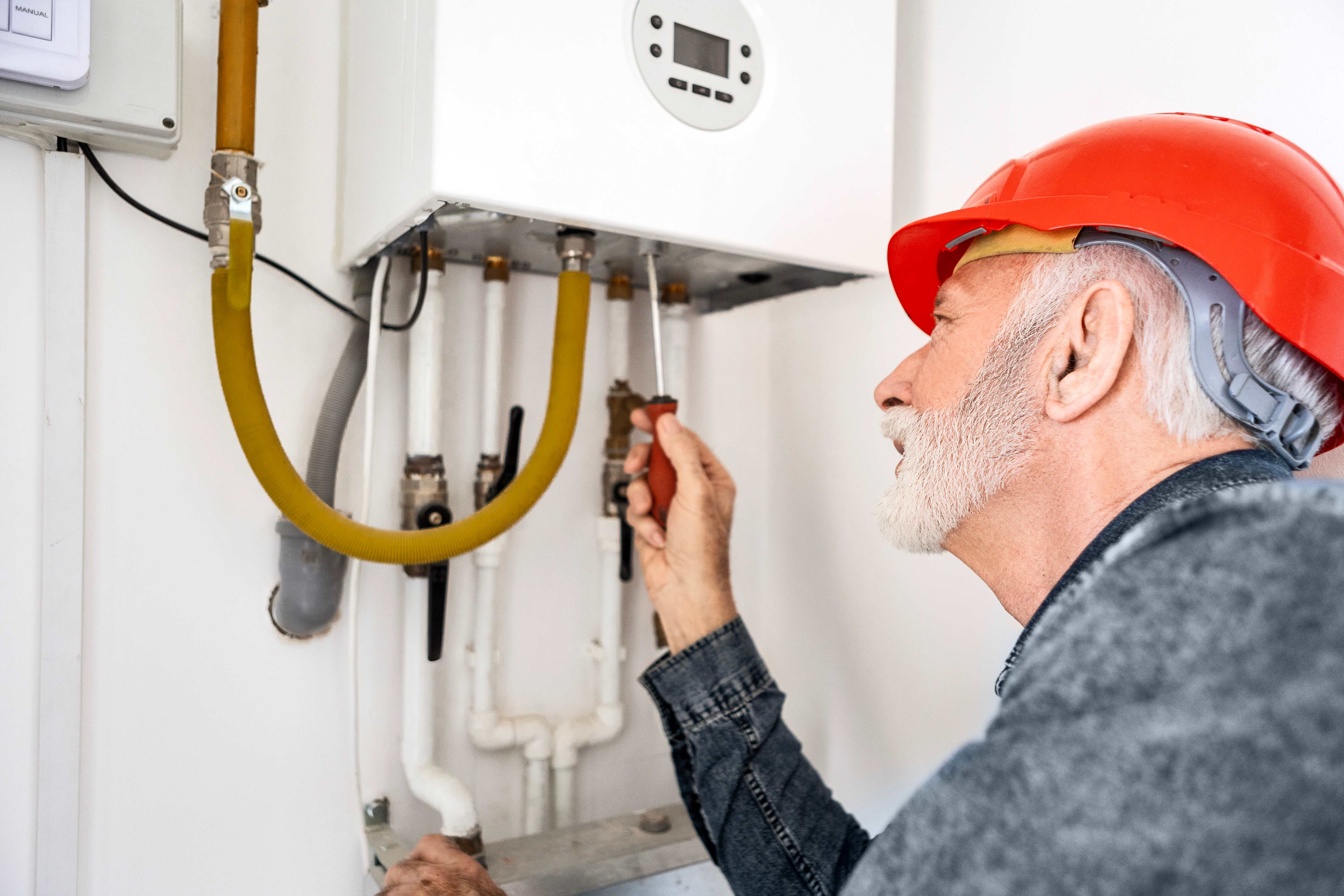
"We pay yearly but we have this is included with our rental property. They are pretty good on most things. We had a hot water heater replaced and they did an excellent job on that. They are very quick on their response. They dont come out here. It is all done on the internet. I just like the idea that one time service charge is so much better than trying to hiring someone to come in. It is more about convenience. It pays for itself."
A leaking water heater could potentially last for a few weeks or months before you need to repair it. However, it's not advisable to wait too long. Once your water heater starts leaking, it's likely that the underlying cause of the leak is getting worse as time goes on. Without immediate repair, your water heater could fail. Instead of using a leaky water heater, you should turn it off and call a pro to fix it.
Homeowners insurance may cover the repair or replacement of a water heater if it's damaged by a covered peril, such as a fire or a burst pipe. However, policies typically do not cover repairs or replacement needed due to normal wear and tear, old age, or lack of maintenance. For these issues, a home warranty or a manufacturer's warranty may provide coverage. While the policy might not pay to fix or replace the malfunctioning appliance itself, it often covers the cost of water damage restoration caused by the faulty water heater. Always check with your insurance provider to understand the specifics of your policy.
Unless you have previous plumbing experience or extensive experience with water heaters, you should avoid replacing your electric water heater yourself. This process involves disconnecting wiring and parts from the old water heater and reinstalling them onto the new one, among other difficult tasks. This job is best left to the pros to make sure that everything is connected correctly to avoid serious leaks or malfunctions.
An average-sized empty water heater weighs around 150 pounds. Tankless water heaters are much lighter, weighing between 10 and 50 pounds. The smaller size and added convenience come at a price, though—tankless water heaters average about twice the price of their traditional counterparts.
If you are having trouble determining the right breaker size for your water heater, it is a great idea to contact an electrician near you to help. They can help you determine the best option for your home and install the circuit breaker for you, ensuring that you have all the proper permits and that your circuit breaker won’t overload, which could lead to fire and other damage.
The Minot, ND homeowners’ guide to water heater services
From average costs to expert advice, get all the answers you need to get your job done.
Looking to replace or upgrade your water heater? Use this water heater replacement cost guide to see what the work will cost and what factors affect your total.
Find out the average tankless water heater repair cost, what impacts pricing, and how to save. Get expert tips to plan your repair budget with confidence.
Wondering how much a water heater expansion tank costs? Use this cost guide to get an accurate estimate and learn how to choose the right one for your home.
Who can install a water heater for you? Look to hire a water heater installation pro or a licensed plumber for this job because of the challenges involved.
The average lifespan of water heaters is 6 to 15 years for conventional models and up to 20 for tankless ones, but it can be less if they are not properly maintained.