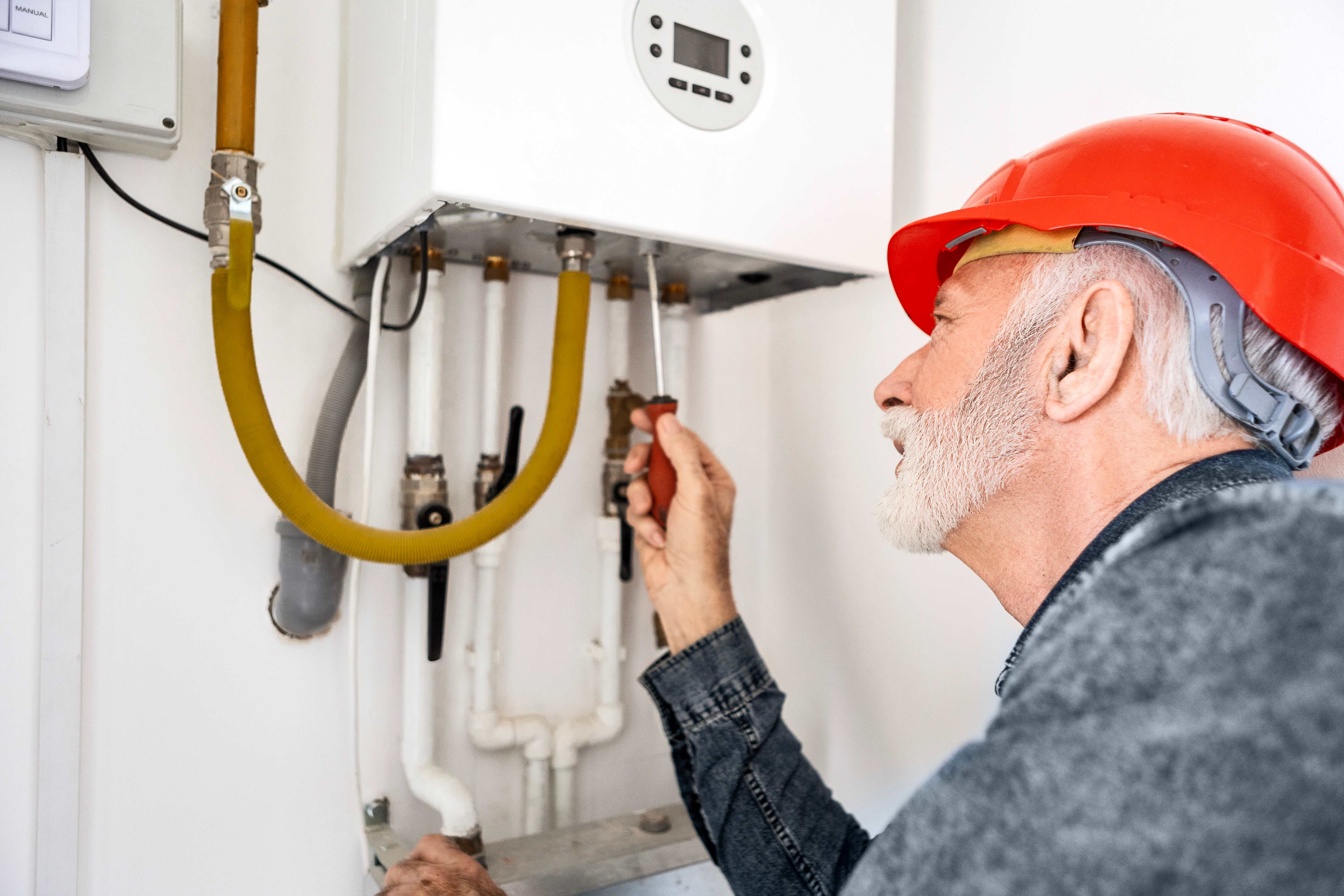
"We pay yearly but we have this is included with our rental property. They are pretty good on most things. We had a hot water heater replaced and they did an excellent job on that. They are very quick on their response. They dont come out here. It is all done on the internet. I just like the idea that one time service charge is so much better than trying to hiring someone to come in. It is more about convenience. It pays for itself."
Not all types of water heaters require a venting system. Electric tankless water heaters don’t use natural or propane gas, so no venting is required. Instead, they use electric burners to heat water quickly and efficiently. However, any system that does use gas or propane will require ventilation.
Yes, you can replace a current tank water heater with a tankless model or vice versa. If you’re maintaining the same fuel source—gas or electricity—the switchover should be smooth. A conventional tank requires open floor space, while a tankless model can be wall-mounted. If you’re switching to a tank water heater, you might need to clear space for it. Gas-powered tankless water heaters need a large volume of gas when they start running to heat the water instantly. You might need to increase the size of the gas line when going from a tank to a tankless model.
No, boilers and water heaters are not interchangeable because they serve different primary functions. Boilers are used for central heating systems, providing hot water or steam to heat your home. In contrast, a water heater's purpose is to supply hot water for daily household use, such as for faucets and showers. A water heater alone cannot supply the warm water or steam needed for a central heating system.
While they are not interchangeable, it is common to have both a boiler and a water heater. In fact, a conventional boiler often works best when a water heater system is already in place. The two systems can be combined to provide both heating and hot water, either by pairing a boiler with an indirect water heater or by installing a premade combination boiler-water heater unit. For home heating, some homeowners may also opt for a furnace instead of a boiler.
The average lifespan of a water heater is eight to 12 years. If your water heater is approaching its first decade of life and is giving you problems, talk to a plumber about your replacement options.
Keep in mind that certain parts of a water heater, such as the anode rod, may need replacement long before the heater itself. An anode rod often has a lifespan of three to five years.
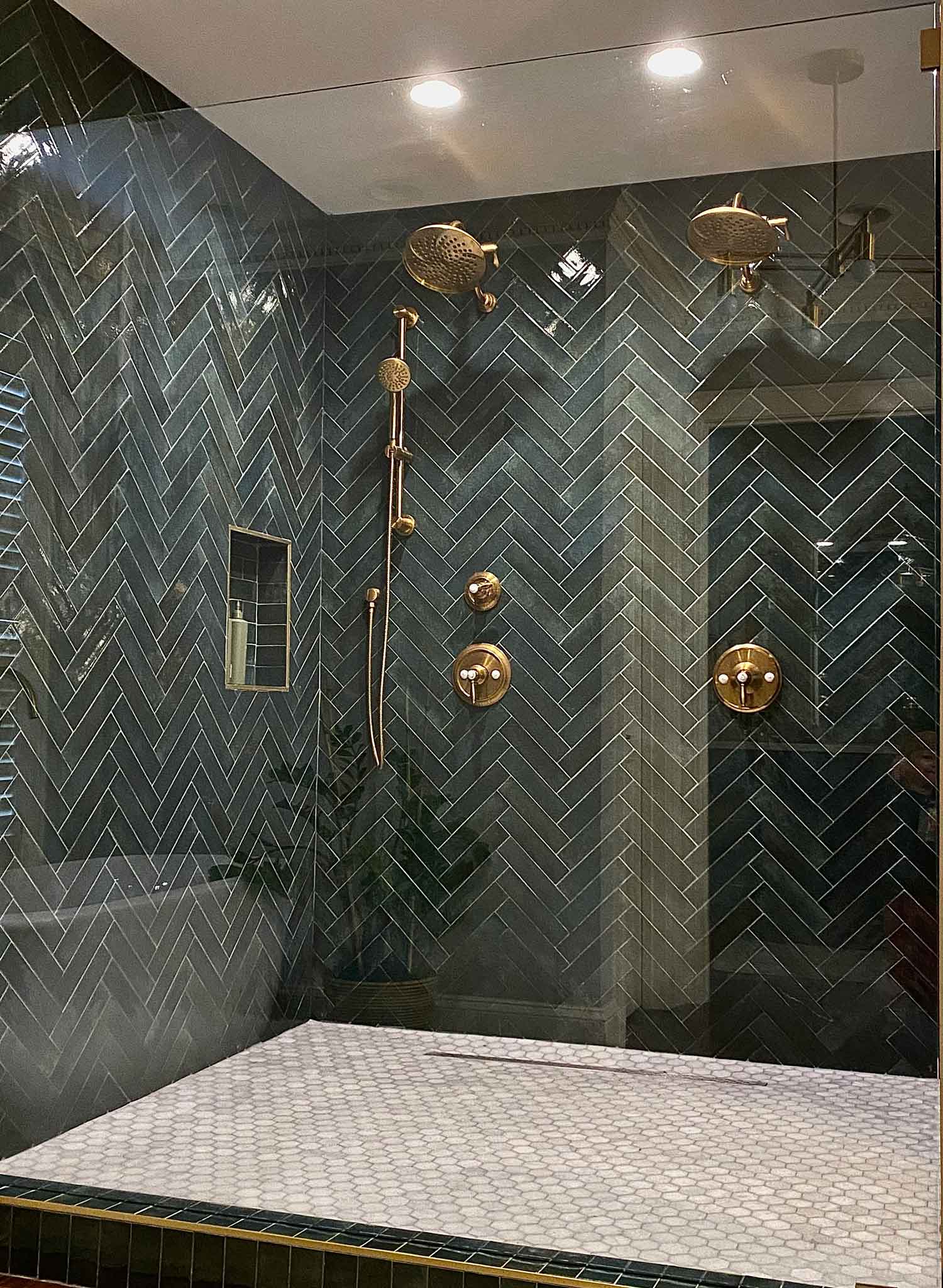
There are many issues that can cause cold showers, but the most likely is a problem with your water heater, especially if other fixtures also don’t get hot water. If it’s just your shower not getting hot water, you likely have a broken or damaged shower cartridge. You can replace this yourself or hire a plumber to do the work for you if you’re not comfortable working with plumbing.
The Garrison, ND homeowners’ guide to water heater services
From average costs to expert advice, get all the answers you need to get your job done.
Looking to replace or upgrade your water heater? Use this water heater replacement cost guide to see what the work will cost and what factors affect your total.
A water heater flush costs $160 on average but can vary based on the unit size, type, labor, location, and more. Keep reading to learn how much you could pay.
Find out the average tankless water heater repair cost, what impacts pricing, and how to save. Get expert tips to plan your repair budget with confidence.
Who can install a water heater for you? Look to hire a water heater installation pro or a licensed plumber for this job because of the challenges involved.
The average lifespan of water heaters is 6 to 15 years for conventional models and up to 20 for tankless ones, but it can be less if they are not properly maintained.