


Tankless water heater costs depend on the size of your water heater, location, fuel type, and more. Keep reading to calculate your expenses.
Water heater service costs depend on your project and location. Check with a local pro for your specific job.

Tank water heater flushing costs $110 to $200, while tankless models run $150 to $250 due to their more complex components.
Your tank size and household hot-water use affect flush time, since larger tanks take longer to drain and refill.
Budget for your add-ons like water softener installation ($200 to $6,000) or pipe leak repairs ($300 to $850).
Hiring a local water heater installation professional removes sediment safely and checks for leaks, corrosion, and faulty valves.
Your average water heater flush cost falls around $160, with most prices ranging from $110 to $200 depending on several factors. If your water heater sounds like a new garage band’s drum solo and is accompanied by lukewarm temps, it’s probably time to flush your water heater. Here’s a close look at the different aspects that can impact your water heater flush cost to help you budget.
The cost to flush a water heater can depend on the type of water heater, tank size, materials, labor, and more. Use the following breakdown to help you navigate the cost of your water heater flush.
Choosing the best water heater type for your home is already a decision that can impact costs, but maintenance costs like flushing your water heater can also be affected by which one you choose. Overall, tankless water heaters cost $75 to $100 more to flush than tank water heaters due to the different water heater components.
| Water Heater Type | Average Cost Range | Average Cost |
|---|---|---|
| Tank water heater | $75–$150 | $115 |
| Tankless water heater | $150–$250 | $200 |
The national average cost to flush a water heater is $160, but prices can vary in increments based on the tank size. A 30-gallon tank will cost between $90 and $120 on average, while a 70-gallon tank could cost anywhere between $180 and $250.
Your water heater’s capacity can increase or decrease the time it takes to wait for the water to cool, drain the tank, flush the tank with cool water, and refill it during the flushing process. This means that larger water heater tanks could cost more to flush if you hire a plumber who charges by the hour. The number of people in your home affects the size of your tank, so larger households may cost more to flush a water heater than smaller households.
Here’s a closer look at water heater sizes and the typical price range that goes along with each size.
| Number of Residents | Water Heater Capacity (Gallons) | Price Range |
|---|---|---|
| 1–2 | 30–40 | $90–$120 |
| 2–4 | 40–50 | $120–$150 |
| 3–5 | 50–60 | $150–$180 |
| 5+ | 60–80 | $180–$250+ |
Plumbers cost anywhere between $45 and $200 per hour, depending on experience. Not all plumbers charge by the hour, however. Some plumbers charge a flat rate fee ranging from $100 to $400. Expect your local plumber to have a minimum charge for servicing your water heater. It takes around one to three hours to flush a water heater, so you'll spend between $45 and $600 if you hire a professional.
Again, the more experience your plumber has, the more you may end up paying to flush your water heater. Apprentice plumbers charge the least, master plumbers charge the most, and journey-level plumbers charge somewhere in between.
Apprentice: $45–$90 per hour
Journey-level: $70–$120 per hour
Master: $90–$200 per hour
Regions with harder water may need more frequent water heater flushing to keep sediment out of the tank. You can learn how to test water hardness to see how hard your tap water is and determine how often you should flush your water heater.

Choosing between a tankless vs. tank water heater is already a decision that can impact upfront costs, but long-term maintenance costs like flushing your water heater can come with additional expenses worth considering.
Your conventional water heater is a tank-style water heater. The cost to flush a tank water heater ranges between $75 and $150. These water heaters are cheaper to flush overall because of how simple the process is. However, flushing your tank means you'll need to refill the entire tank with water and use energy to heat the new water once it's full.
A tank water heater costs between $600 and $2,500 to install, and its cheaper price tag for flushing the tank means you’ll save in maintenance and upfront costs. However, tank water heaters are less efficient than their tankless water heater counterparts.
Overall, tankless water heaters cost more to flush than traditional water heaters. This is because they are more complex than traditional water heaters and may need more frequent flushing to help curb limescale and sediment buildup. As such, you’ll spend anywhere between $150 and $250 on average to flush your tankless water heater.
Tankless water heaters cost between $1,400 and $3,800 to install, but their energy efficiency means you could conserve anywhere from 8% to 34% more energy than your traditional storage tank water heater, according to Energy Saver.
On top of your up front cost for flushing a water heater, you also have several ongoing expenses to keep in mind, including maintenance and repair costs.
A one-time visit could cost more than a contract with a local water heater company. Some professionals offer discounts on annual, seasonal, or monthly contracts. Investing in routine maintenance for your water heater can also help you catch issues as soon as they arise.
During a routine water heater tune-up, your pro may offer to flush your water heater, inspect the heater, and repair your unit as needed. You may even receive discounts on Services by signing up for a plan.
Repairing a water heater costs between $225 to $1,000 on average, depending on the scope of the repair. Tankless water heaters fall at the higher end of the price point on average, though a water heater leak in your tank can stack up in cost. If your pro notices issues with your water heater while conducting a routine inspection, then they might need to repair your water heater on top of flushing the system.
Hiring a local water heater flushing pro may cost more upfront, but it ensures your system is cleaned safely and effectively. Over time, sediment can build up in your water heater, reducing efficiency, shortening its lifespan, and potentially causing damage. Professionals have the tools, training, and experience to flush your water heater thoroughly, helping maintain optimal performance and prevent costly repairs.
Flushing a water heater may seem simple, but it requires technical knowledge and safety precautions. Here are some of the top reasons to work with a pro:
Technicians can safely drain and flush both tank-style and tankless water heaters without causing leaks or damage.
Pros can remove sediment buildup more effectively using professional tools and techniques.
Working with a pro ensures proper reinstallation and pressure checks to prevent malfunctions.
Professionals can spot related issues, such as corrosion, leaks, or faulty valves, before they become major problems.
Hiring a pro helps maintain efficiency, extend the life of your water heater, and reduce energy costs.
While flushing is best left to professionals for thorough results, some prep work can make the process smoother:
Clear the area around the water heater to provide easy access.
Note any performance issues, unusual noises, or leaks to share with the technician.
Turn off power or gas supply as directed before the appointment.
Ensure you have access to a drain or bucket if needed for preliminary drainage.
If you decide to work with a plumber to flush your water heater, they might offer additional services—sometimes at discounted rates if you bundle them together. Most plumbers are happy to check your home for leaks, install water softeners, inspect wells, and more. Here are just some of the services your local pro may provide. If you have plumbing concerns or questions, be sure to discuss add-on services with your pro.
Water softener installation cost: $200–$6,000
Well inspection cost: $250–$550
Pipe leak repair cost: $300–$850
Plumbing repair cost: $75–$4,000
Toilet installation cost: $225–$550
Flushing a water heater can add up—especially if you have very hard water or a high demand for hot water. Fortunately, there are several steps you can take to lower the cost of flushing a water heater, including the following:
Flushing your water heater yourself
Purchasing a flush kit for your tankless water heater
Staying on top of your water heater maintenance
Hiring a handyperson or apprentice plumber to save on hourly rates
Asking around for at least three quotes from local plumbing contractors to find the most competitive rates
Reducing your water consumption
Replacing the anode rod every three to five years
Investing in a water softener system to prevent minerals from developing in the first place
Be ready to discuss with a pro what type of water heater you have, including tank size and fuel type, as this affects the tools and procedure needed for flushing.
If there is room left in your budget, ask your pro about add-ons like inspecting the anode rod, checking valves, or performing a full system maintenance.
Be prepared for unexpected costs, such as corrosion, sediment buildup, or minor leaks that may be discovered during the flushing process.
Plan for access and workspace needs, making sure the area around the water heater is clear and that nearby drains are available for the pro to work safely.
Home is the most important place on earth, which is why Angi has helped more than 150 million homeowners transform their houses into homes they adore. To help homeowners with their next project, Angi provides readers with the most accurate cost data and upholds strict editorial standards. We extensively research project costs to develop the pricing data you see, so you can make the best decisions for you and your home. We rely on reputable sources, including the U.S. Bureau of Labor Statistics, academic journals, market studies, and interviews with industry experts—all to ensure our prices reflect real-world projects.
Want to help us improve our cost data? Send us a recent project quote to [email protected]. Quotes and personal information will not be shared publicly.
As usual with ECO, tech Jordan was outstanding, very professional, very knowledgeable, and very thorough with repairs made to tankless water heaters. Very highly recommend ECO!!!
 Eco Plumbers, Electricians, and HVAC Technicians
Did a great job replacing the ice maker and water regulator on my refrigerator. He was quick and thorough, very friendly and professional. If I needed a heart transplant I'd want him to do it!!!
We had a gutter blockage that was causing water to sheet down the side of the house and ultimately it started to come in at a window (need mortar people next). Called around 7:30am, and he responded by 8am. He was able to come out the same morning and do a look over and clean out. He also...
Scott checked our large crawl space for mold and water infiltration and recommended a viable solution. The crew was efficient and they cleaned up well after the job. The job was expensive but I am confident that I won't have to deal with the problem again. Highly recommend.
 AdvantaClean of Dublin
They were the most through inspecting the water system in my house. Even going the extra mile to get the water professionally tested for contamination.
 Hague Water Conditioning, Inc.
Very well. Have already used them again to fix hot water heater
 Service Olympians
The Paul Davis team was very professional and went the extra mile to take care of my water damage. The work was very high quality and done in a timely manner. I would highly recommend their services.
 Paul Davis Restoration
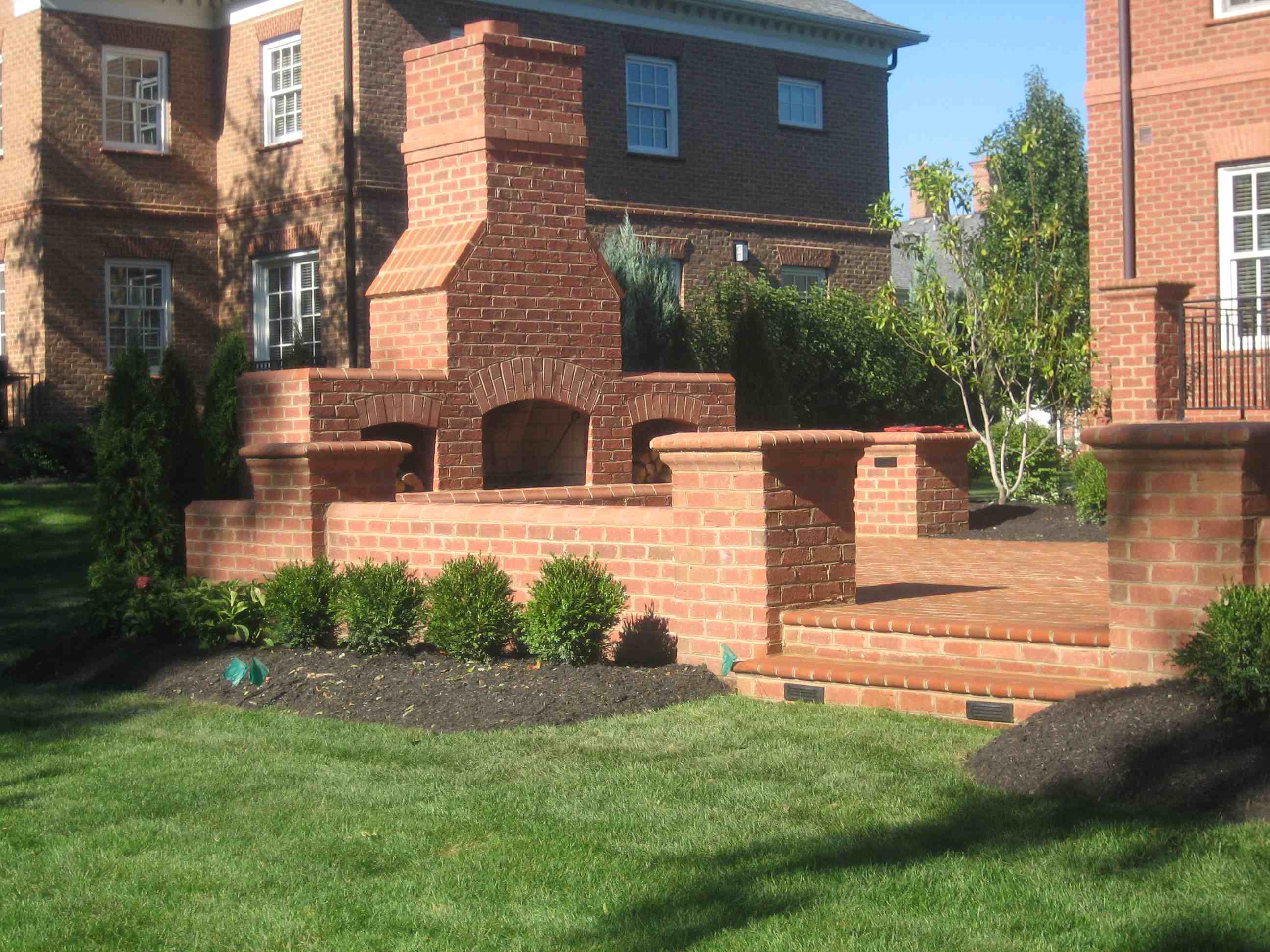
Honesty is hard to find in business today. GBR met me today at a 3 story building regarding my being told that I needed to tuckpoint the brick because of water leaks. The owners took the time to evaluate the situation and advised me that I did not need their service at all. They pointed me...
 GBR Masonry Inc
They unclogged the drain and sent me a bill for more than 4 times what I paid before. I called the Water Works to ask why the bill was so high and that they should have gotten my authorization before assuming they could make expensive decisions like that on my behalf and for their benefit....
 The Waterworks
We had two outdoor fixtures swapped for motion sensing fixtures and a GFCI outlet added to the outside of the garage for the bird bath heater. <br /> He arrived at the agreed upon time and I was surprised and impressed at how quickly everything was completed. <br /> I would definitely...
 Powers Electric LLC
From average costs to expert advice, get all the answers you need to get your job done.
Tankless water heater costs depend on the size of your water heater, location, fuel type, and more. Keep reading to calculate your expenses.
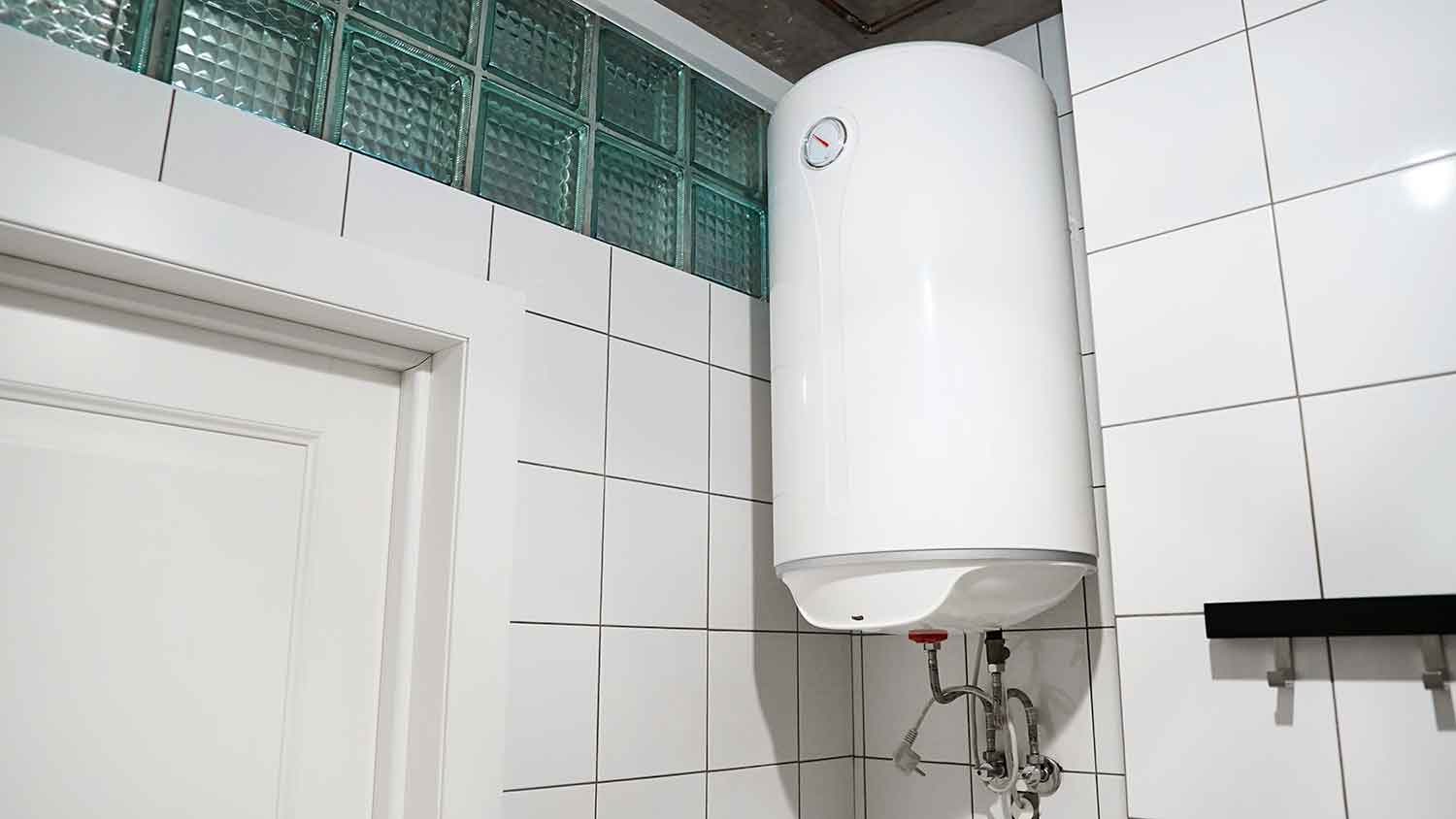
Running out of hot water too quickly or hearing strange noises when you call for hot water? Use this water heater repair cost guide to see what a fix will cost.

Looking to replace or upgrade your water heater? Use this water heater replacement cost guide to see what the work will cost and what factors affect your total.
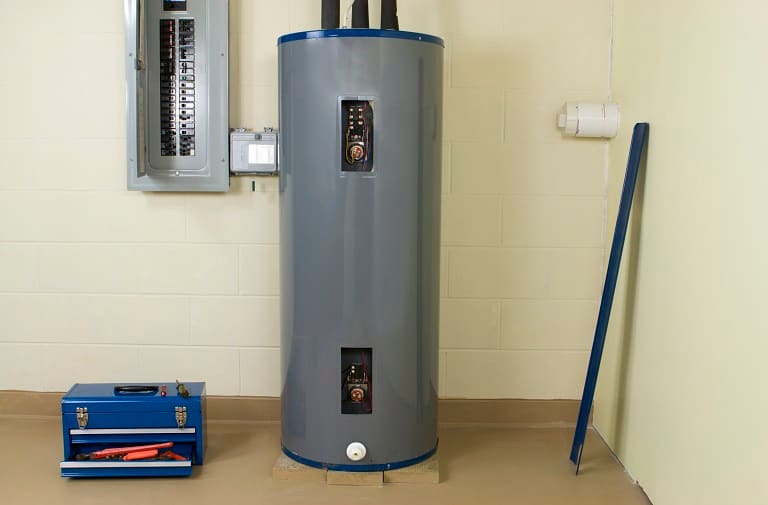
You may wonder: How often should you drain your water heater? This guide explains how often you should flush your water heater to optimize its performance.
Your water heater is a powerhouse until it’s not! Use this guide on how to flush a tankless water heater to keep it running smoothly and providing hot water.
There are many parts of a hot water heater. The type you need to deal with depends on your water heater. Here's what each part does.