"The technician emptied the freezer, which was in the basement, to work on the part that needed repair. Then he neglected to put anything back into the freezer, including a turkey I had bought for Christmas and a rack of ribs. Two days after he left, I went out of town for two weeks. The turkey actually exploded and spewed its liquid all over everything, which had to be discarded. I let AHS know and they couldn't even bother to call me or follow up on this. I'm considering not renewing my contract with them because of the quality (or lack thereof) of many of the providers they send."
L & L Excavating may be a newly formed company, but we have been doing this all our life. Over 40 years of experience in everything involving your excavation needs. We specialize in water drainage and septic tanks, however, our biggest specialty is our customer service. We can guarantee satisfaction, and will back it up. Call us today for a free estimate!
Here at W. Simpson Plumbing Services, LLC, we are a full service plumbing company for both residential and commercial. We are local, family owned and operated, and have a strong focus on customer service. We are fully licensed and ready to take on as much work as possible. Call us today for your free estimate. We look forward to meeting your home's needs.
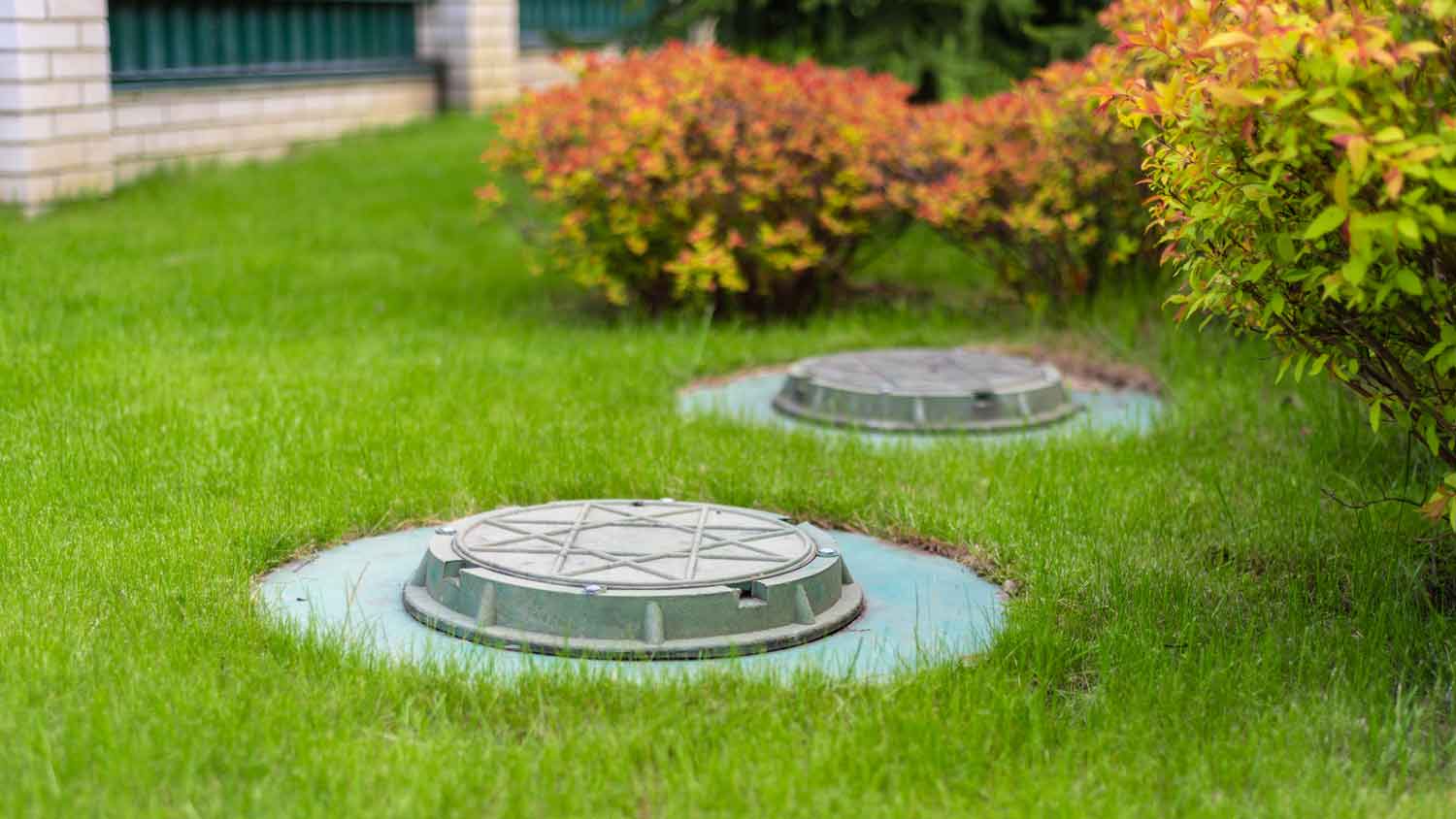
Septic drain fields should be at least 10 feet from the property line, though exact requirements vary by location. Some areas may require further distances, such as 25 feet or more, depending on soil conditions and local health regulations. This extension ensures proper wastewater absorption and prevents contamination of neighboring homes.
The best solar-panel mounting system will depend on your property layout, but you’ll typically want to try for south-facing panels to get the most sun. Roof mounting and wall mounting are both popular, but if your well setup is far away from buildings and other structures you can also set up a freestanding aluminum frame to mount your panels.
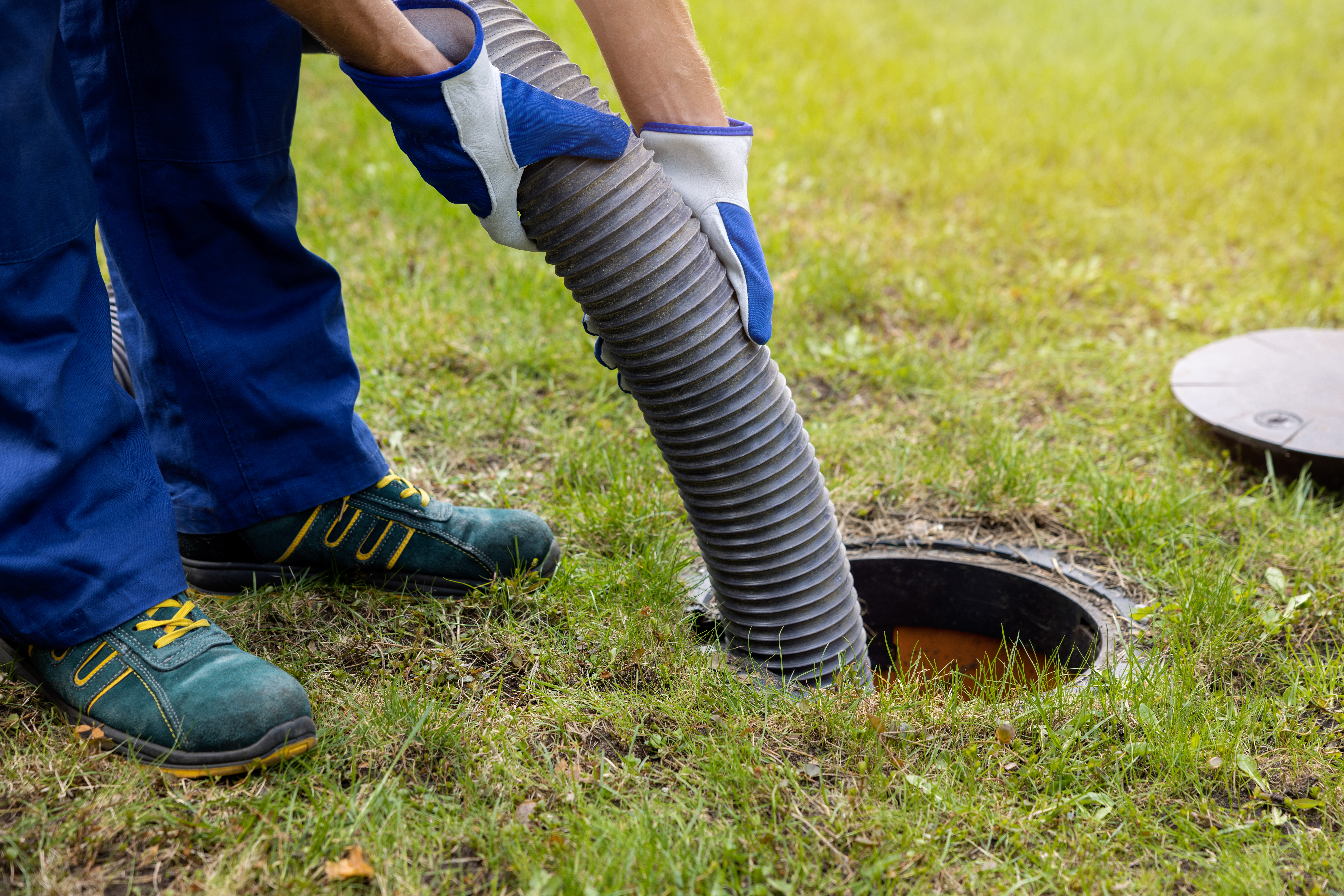
There are three layers of wastewater in a septic tank: scum (solid waste that floats to the top of the wastewater), liquid (the relatively clean liquid wastewater in between the two other layers), and sludge (solid waste that falls to the bottom of the wastewater). The buildup of sludge is one of the main reasons septic tanks need to be pumped. If the tank is more than 1/3 of the way full with a combination of sludge and scum, it’s time to call a pro for pumping.
Drilled wells have a pipe sticking up that’s covered in a plastic or metal casing. On the other hand, a dug well will look like a big hole in the ground and is more similar to what you’d see in a fantasy or Western movie. If you want to be sure, contact the city for documentation on your property’s construction and excavation history.
Several things can ruin a septic tank over time, including dumping harsh chemicals (like bleach and ammonia), pesticides, and paint thinners down your drain because they can kill the bacteria in your septic tank. You should also make sure to only flush waste and toilet paper in your toilet—otherwise, you could clog your system.
The Langdon, ND homeowners’ guide to septic tank services
From average costs to expert advice, get all the answers you need to get your job done.
Caring for your septic system is crucial to ensuring its long life. But how much does it cost to pump a septic tank? We explore the different cost factors.
It’s crucial to install a septic tank with the right volume to avoid wastewater backups. This guide will help you calculate the right septic tank volume.
Septic tank sizes vary depending on the size of your home, how many people live there, how much water you use, and more. Read on to learn how to determine the right size for you.