Both plaster and drywall are durable wall finishes, but they differ significantly in installation, cost, performance, and aesthetics.
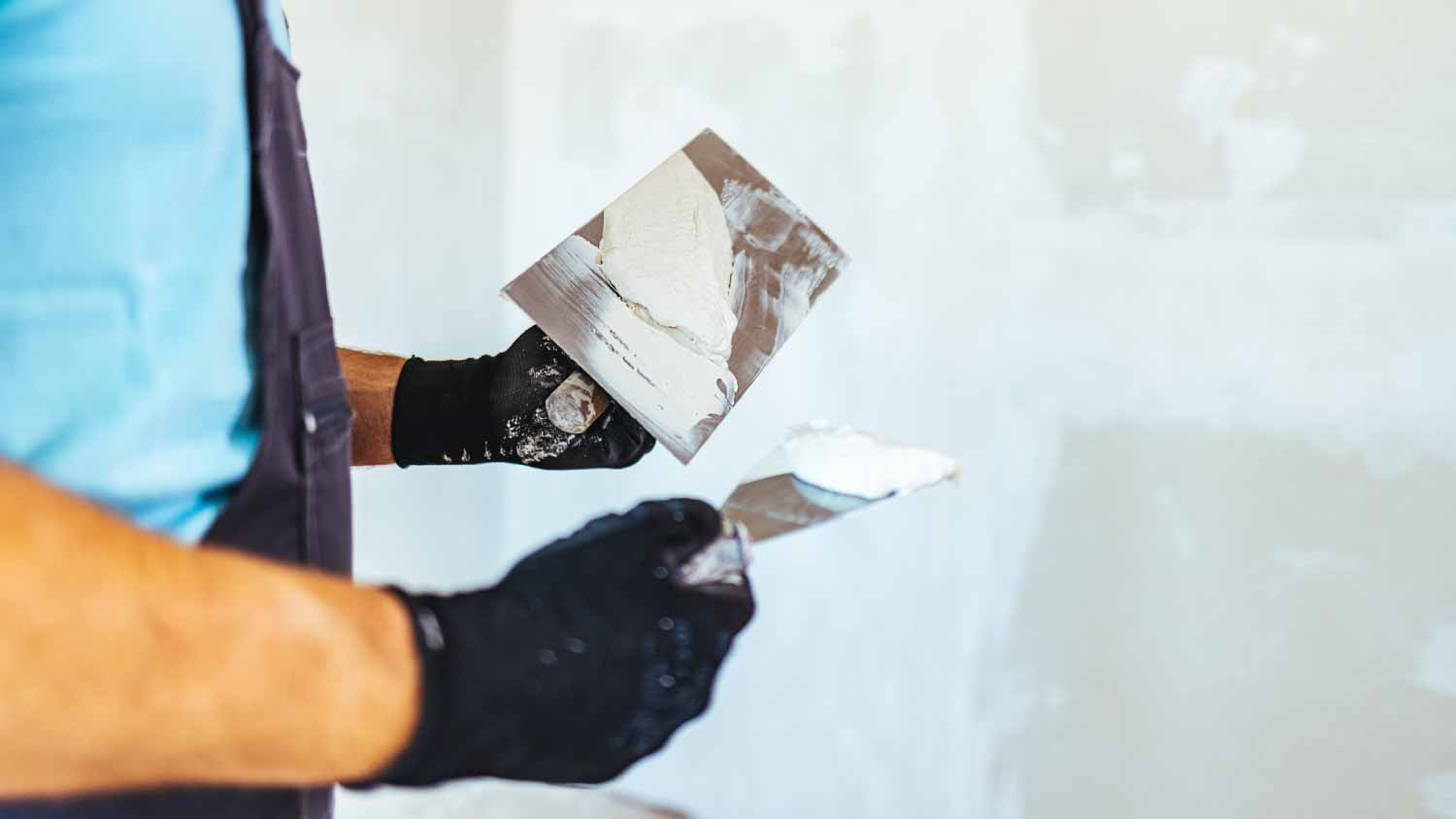
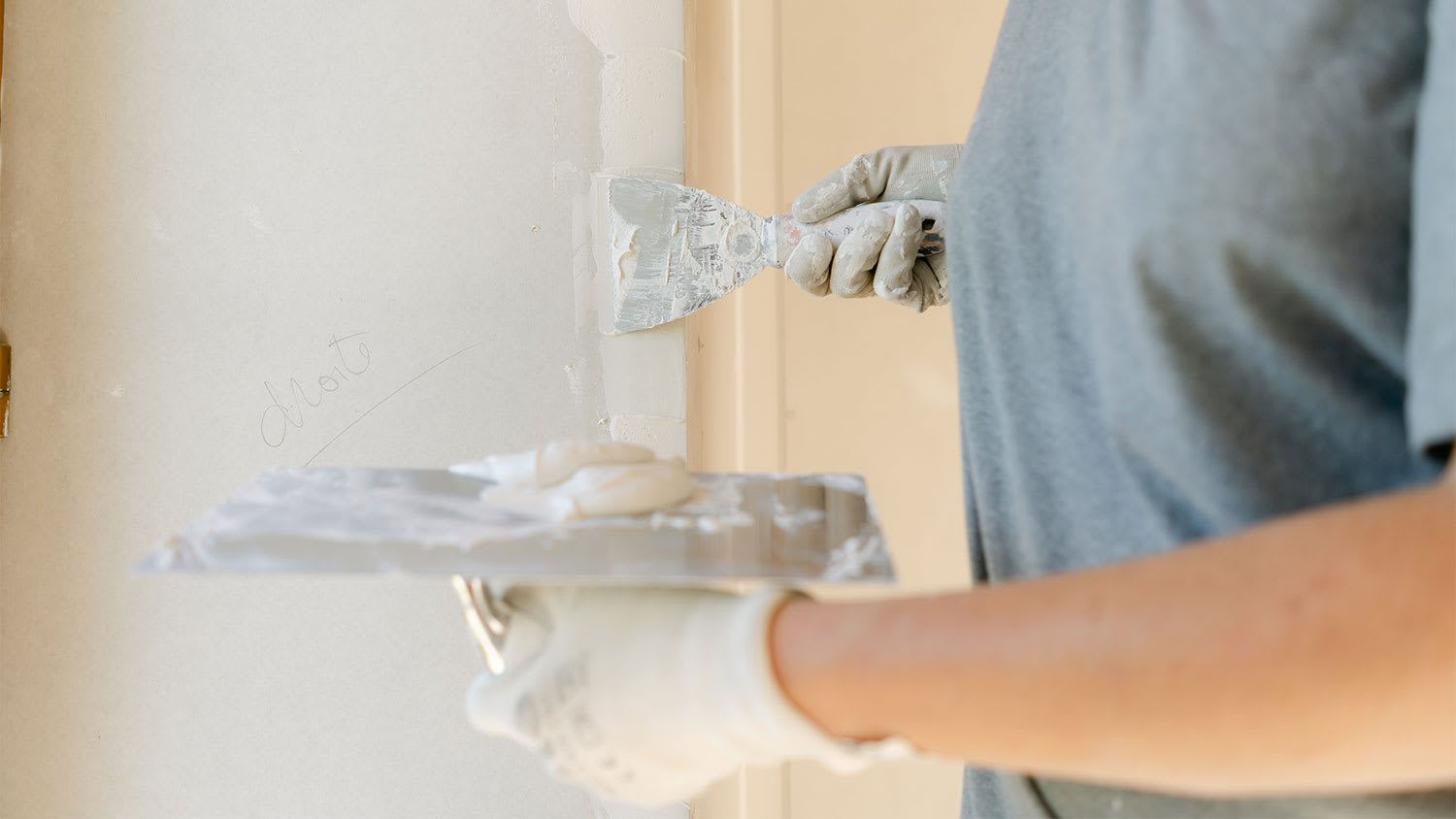
Installation & Cost: Drywall installation is faster and more affordable, typically costing $1.50 to $3 per square foot. It uses premade sheets, making it a more accessible DIY project. Plastering is a labor-intensive craft that requires specialized skills, pushing costs to $2 to $10 per square foot. It involves applying a wet paste over a lath framework.
Durability & Performance: Plaster is generally more durable, longer-lasting, and provides superior soundproofing. It is also a better insulator, which can help reduce energy costs. Drywall is easier to remove for future renovations.
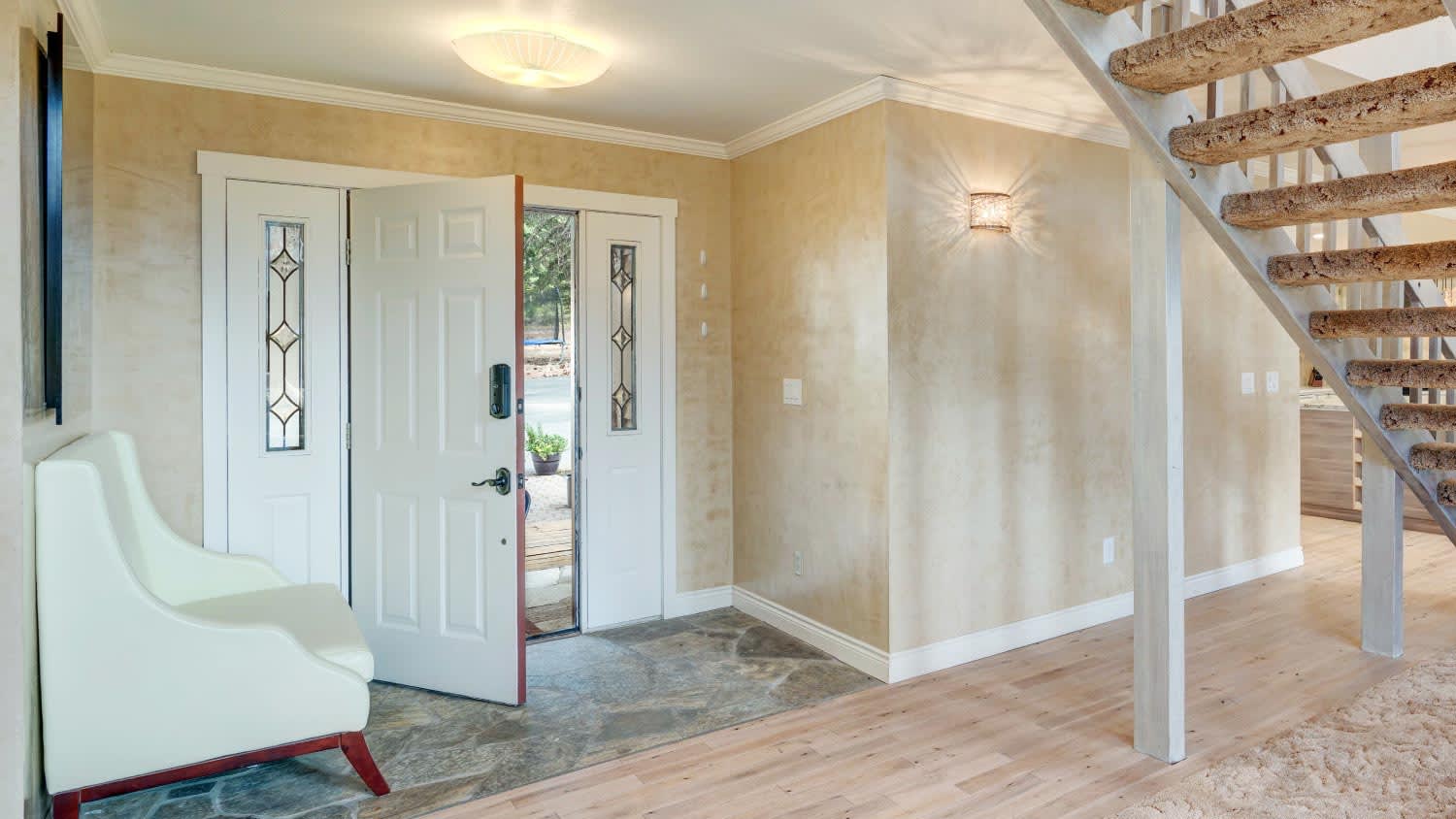
Aesthetics: Drywall provides a smooth, uniform surface ready for paint or texture. Plaster offers a high-end, naturally textured look that can hide imperfections and is often preferred for achieving a classic or historic aesthetic.
Which is better? The choice depends on your priorities. Drywall is ideal for those prioritizing a lower upfront cost, faster installation, and DIY potential. Plaster is the better option for a higher-end project where durability, soundproofing, and a unique, premium finish are more important than the initial cost.