"The technician emptied the freezer, which was in the basement, to work on the part that needed repair. Then he neglected to put anything back into the freezer, including a turkey I had bought for Christmas and a rack of ribs. Two days after he left, I went out of town for two weeks. The turkey actually exploded and spewed its liquid all over everything, which had to be discarded. I let AHS know and they couldn't even bother to call me or follow up on this. I'm considering not renewing my contract with them because of the quality (or lack thereof) of many of the providers they send."
Here at W. Simpson Plumbing Services, LLC, we are a full service plumbing company for both residential and commercial. We are local, family owned and operated, and have a strong focus on customer service. We are fully licensed and ready to take on as much work as possible. Call us today for your free estimate. We look forward to meeting your home's needs.
Drain fields often include three to five trenches that are 18 to 24 inches deep. The pipes connecting the drain field to the septic tank will be placed between 12 and 18 inches deep, and the field as a whole will be about 100 feet long.
Buying a well drilling kit will save you money over hiring a professional. That said, digging a well is risky. If you make an error, you may have to get help fixing it. Also, the DIY costs are still pretty hefty when considering everything needed to complete the project successfully. You’ll need to account for the permit, pump, water tank, and more. If you don’t feel comfortable taking the necessary precautions to tackle this on your own, go with a pro.
When a septic tank is full, it needs to be professionally pumped. The average cost of a one-time septic tank pump is about $400, or $0.30 per gallon. If your septic tank is full, you may notice that you have issues flushing your toilet, pipes are draining very slowly, or you have a sewage smell lingering in your home or yard.
Yes, experts handle manual pumping, chemical flushing, and equipment use properly, ensuring thorough cleaning and legal compliance with disposal regulations.
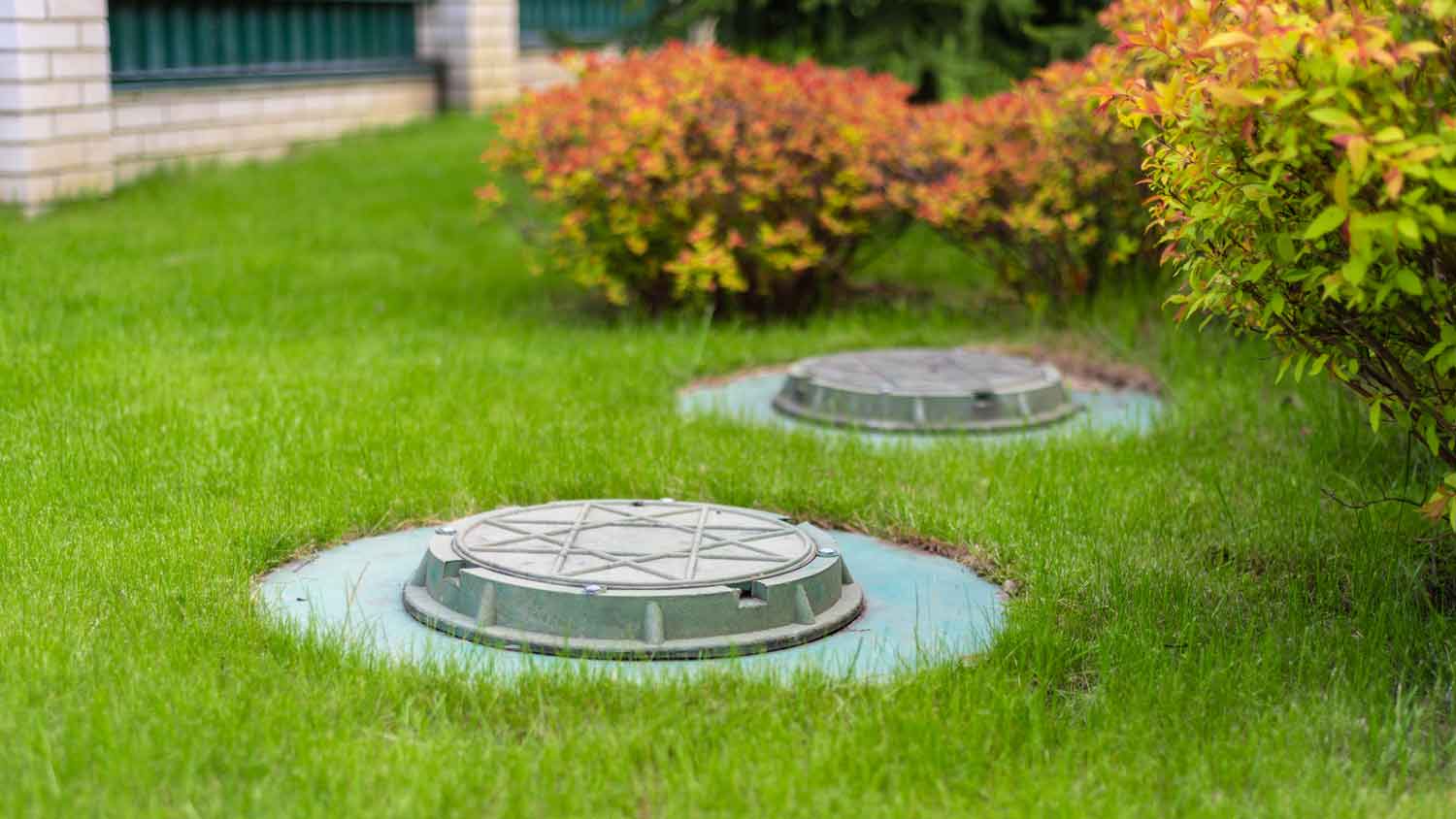
Yes, a septic tank riser can replace a concrete septic tank lid. Risers are designed to replace various types of septic tank covers, including concrete, metal, and fiberglass, to provide easier access for pumping and repairs. While a plastic riser makes future access more convenient, the initial replacement can be difficult because concrete lids are very heavy, so it is a job best left to professionals. Once installed, you will need to be cautious around the riser during yard work, such as mowing, to avoid causing damage.
The Cando, ND homeowners’ guide to septic tank services
From average costs to expert advice, get all the answers you need to get your job done.
It’s crucial to install a septic tank with the right volume to avoid wastewater backups. This guide will help you calculate the right septic tank volume.
Septic tank sizes vary depending on the size of your home, how many people live there, how much water you use, and more. Read on to learn how to determine the right size for you.