



Top-rated septic tank pros.

Get matched with top septic tank pros in Argyle, MN

Enter your zip and get matched with up to 5 pros

Need a pro for your septic tank service project in Argyle, MN?

Select your specific project to find the pro for you.

Find Septic tank pros in Argyle

Avatar for American Home Shield – Home Warranty
American Home Shield – Home Warranty
3.5(
5,688
)
Septic System - Install or ReplaceSeptic System - Install or Replace - For BusinessSeptic System - Repair+3 more

Serving Argyle, MN and surrounding areas

In business since 1971

Credit card accepted

"The technician emptied the freezer, which was in the basement, to work on the part that needed repair. Then he neglected to put anything back into the freezer, including a turkey I had bought for Christmas and a rack of ribs. Two days after he left, I went out of town for two weeks. The turkey actually exploded and spewed its liquid all over everything, which had to be discarded. I let AHS know and they couldn't even bother to call me or follow up on this. I'm considering not renewing my contract with them because of the quality (or lack thereof) of many of the providers they send."

Additional Photos
Additional Photos
Additional Photos
Additional Photos
Additional Photos

+2

Recommended by65%of homeowners
Septic Tanks questions, answered by experts

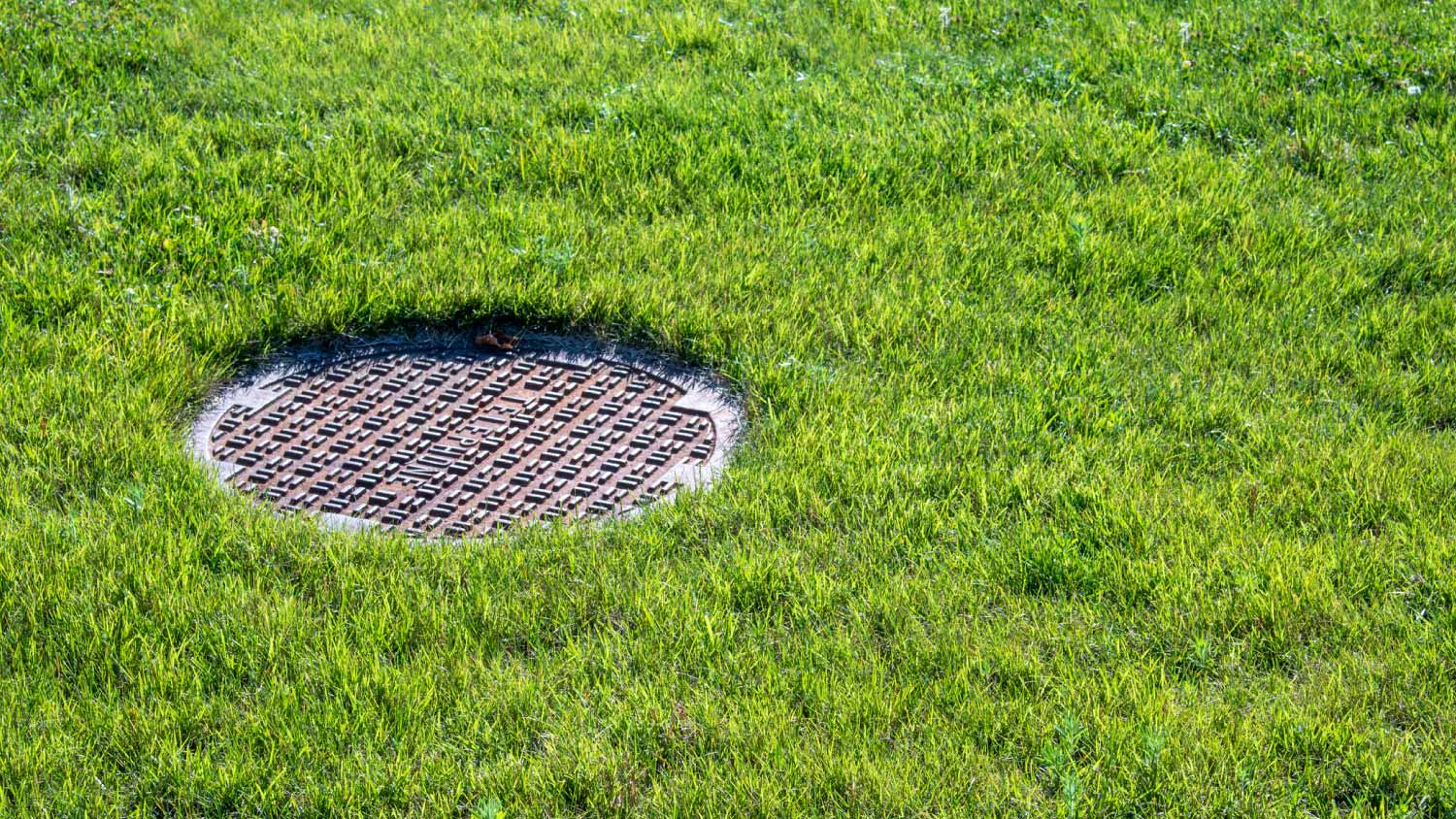
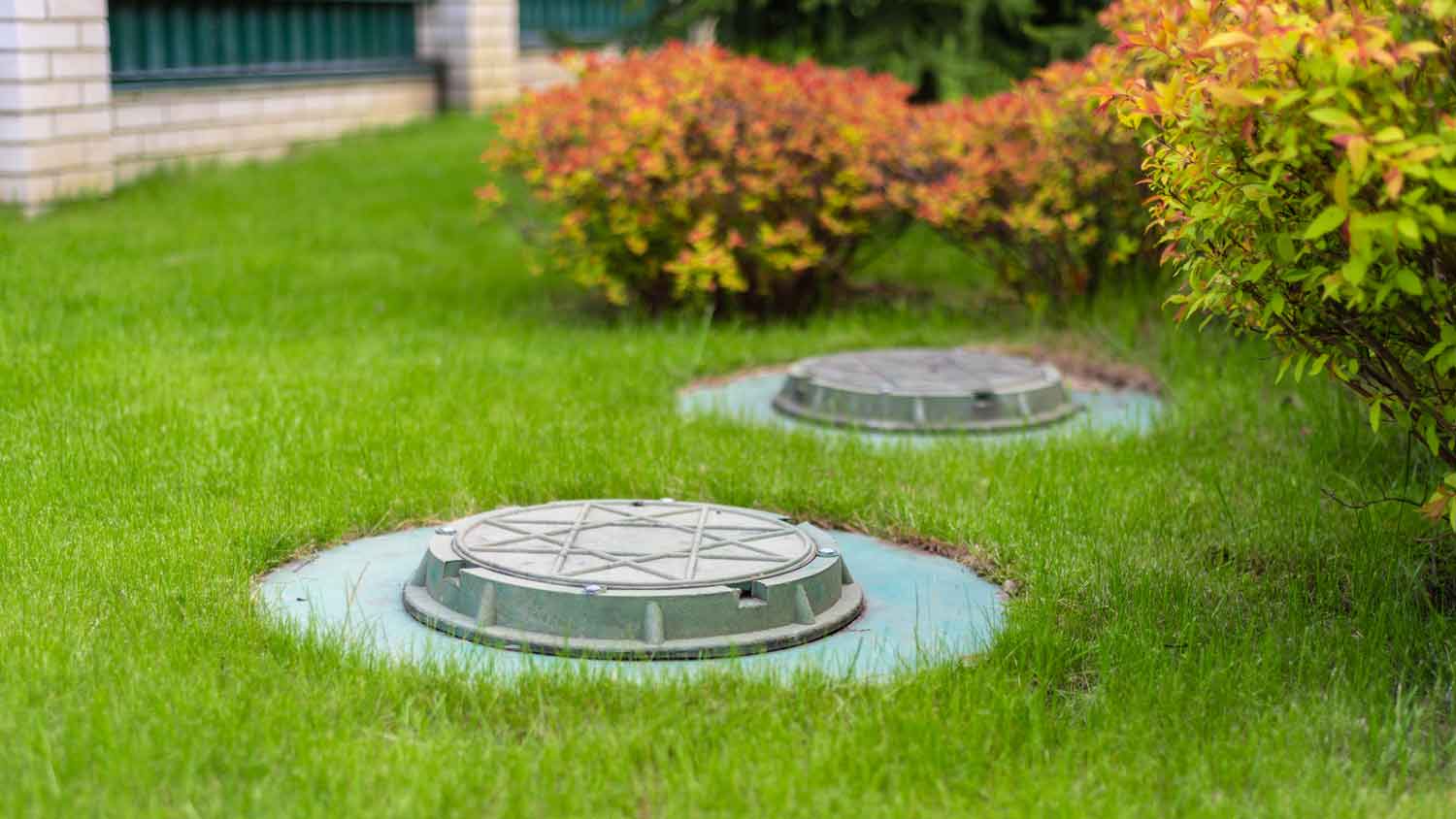
There is no standard depth for burying a septic tank; they are typically buried anywhere from 4 inches to 4 feet underground. The final depth depends on several factors, including the depth of your main sewer line, the height of the bedrock, soil type, local regulations, and the property's landscape. If you plan to grow grass or plants over the tank, a depth of at least 4 to 6 inches is recommended. Deeper tanks can be more difficult to locate, but a septic professional can help find it for you.

Deciding between an engineered septic system and a conventional one depends on property size, soil quality, local regulations, and environmental factors. If your property has limited space, poor soil, or is close to sensitive environmental features, an engineered system may be required. Professional site evaluations, considering water usage, long-term plans, and budget constraints, can help determine the appropriate choice. Consulting with a septic system professional is crucial for ensuring compliance with regulations and selecting the best system for your property's unique needs.

Choosing a reliable septic tank company starts by finding an experienced company in your area with positive customer reviews online. You can also use the following tips to help ensure you have a positive experience:

  • Choose a company that is licensed and fully insured

  • Ask the company for customer references

  • Ask if the company provides any guarantee for the repair

  • Determine the provider’s level of experience

The pressure in a well pressure tank should be set 2 to 3 PSI below the pump's cut-on pressure. The cut-on pressure is the lower number in the pressure setting (e.g., the '30' in 30/50 PSI) and is the point at which the pump starts. The cut-out pressure is the higher number, where the pump stops.

For example:

  • If your pressure switch is set to 30/50 PSI, the tank pressure should be 27-28 PSI.

  • If your pressure switch is set to 40/60 PSI, the tank pressure should be 38 PSI.

Common pressure settings for household applications include 20/40, 30/50, and 40/60 PSI. The difference between the cut-on and cut-out pressure is typically 20 PSI.

A septic system's lifespan typically ranges from 15 to 40 years, with a common average of 20 to 30 years. The longevity heavily depends on the tank's material, maintenance diligence, and usage habits. With proper care, lifespans can reach the upper end of this range.

Lifespan by Tank Material:

  • Concrete: 20 to 40 years

  • Plastic or Fiberglass: 30 to 40 years

  • Steel: 15 to 20 years

To maximize your system's lifespan, follow these maintenance best practices:

  • Regular Pumping and Inspections: Have the tank pumped every three to five years and schedule professional inspections regularly.

  • Mindful Usage: Only flush human waste and toilet paper. Avoid putting items like cat litter, paper towels, cigarette butts, fats, grease, oils, or coffee grounds down your drains.

  • Avoid Chemicals: Do not pour harsh chemicals into the system.

  • Water Conservation: Reduce the amount of wastewater your system has to process.

  • Protect the Drain Field: Avoid driving or building heavy structures over the drain field area.

The Argyle, MN homeowners’ guide to septic tank services

From average costs to expert advice, get all the answers you need to get your job done.