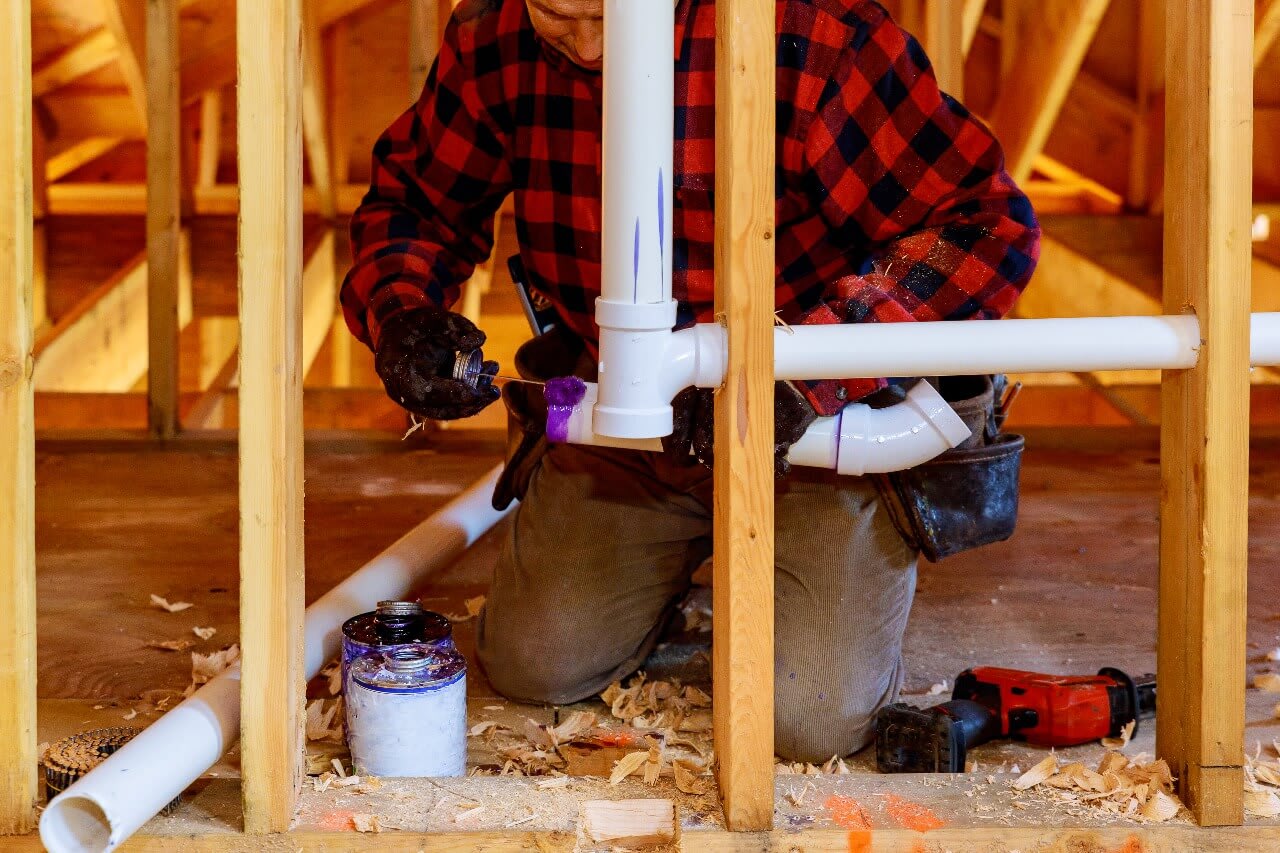
Your sewer line can get grimy quickly. To prevent sludge buildup in your sewer line, pour a mixture of 1/3 cup of vinegar and 1/3 cup of baking soda down each drain in your home once a month. After about 30 minutes, flush the drain with hot water.
Some plumbers recommend 3/4 cup of bleach instead to clean any germs and bacteria that may build up in your sewer line. But this won’t break down any active clogs, and it cannot be combined with vinegar, as the mixture will create a toxic, hazardous gas.
A sewage smell in your crawl space is usually from a damaged or clogged pipe leaking sewer gasses or actual sewage underneath your home, but there are some other common causes. Moisture, from poor or damaged encapsulation or a malfunctioning sump pump, can harbor mold and bacteria, causing a musty smell. Pests can also get stuck in your crawl space and die, which causes a sewage-like odor.
Thankfully, it’s pretty rare to find a rat in your toilet. It’s more likely in larger cities with big sewer systems that can be feeding grounds for rats, but even then, you still shouldn’t fret.
“I wouldn’t worry too much about rats coming up through the sewers,” Bradshaw says. “I’d say only one out of a thousand rodent customers we get actually have this problem. And of the 20 or some customers that have had this happen, they’ve all only had just one rat come up this way.”
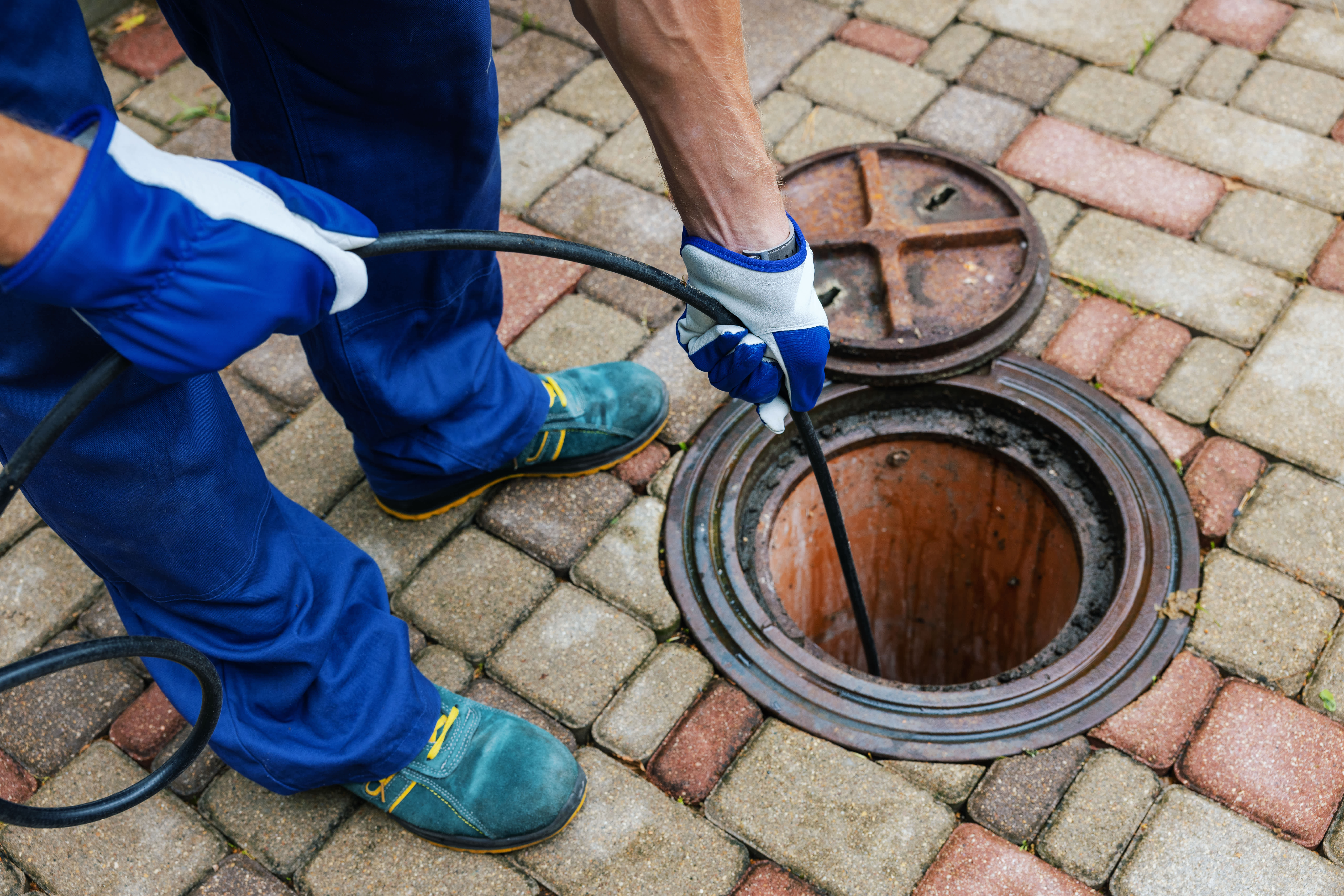
You should not attempt to snake your sewer yourself. Accessing and snaking your sewer requires heavy-duty equipment, and while renting is possible, misusing it can damage your sewer main and leave you with very expensive repair costs, not to mention potential environmental issues and severe water damage. Accessing your sewer also exposes you to hazardous sewer gasses, and failing to seal the sewer properly after work can be very dangerous. It’s always best to hire a professional sewer cleaner near you to handle this type of work.
A professional drain cleaner is a plumber or specialized drain cleaner with the necessary tools to unclog drains and tiles to keep waste water flowing out to the septic tank or city sewer for processing. Keeping wastewater from backing up into your home helps keep you and your family safe from potential contamination and sickness. These pros can help resolve nearly any drain situation in a safe and efficient manner.
The Langdon, ND homeowners’ guide to sewer cleaning services
From average costs to expert advice, get all the answers you need to get your job done.
A clogged main sewer line can lead to gas or wastewater leaks. Find out what main sewer line clog repair costs by type of service, clog severity, and more.
The best way to keep your sewer line running smoothly is with some regular maintenance. But don’t worry—it doesn’t take much effort. Read on to learn how.