"The technician emptied the freezer, which was in the basement, to work on the part that needed repair. Then he neglected to put anything back into the freezer, including a turkey I had bought for Christmas and a rack of ribs. Two days after he left, I went out of town for two weeks. The turkey actually exploded and spewed its liquid all over everything, which had to be discarded. I let AHS know and they couldn't even bother to call me or follow up on this. I'm considering not renewing my contract with them because of the quality (or lack thereof) of many of the providers they send."
L & L Excavating may be a newly formed company, but we have been doing this all our life. Over 40 years of experience in everything involving your excavation needs. We specialize in water drainage and septic tanks, however, our biggest specialty is our customer service. We can guarantee satisfaction, and will back it up. Call us today for a free estimate!
Here at W. Simpson Plumbing Services, LLC, we are a full service plumbing company for both residential and commercial. We are local, family owned and operated, and have a strong focus on customer service. We are fully licensed and ready to take on as much work as possible. Call us today for your free estimate. We look forward to meeting your home's needs.
Wells typically replenish at a rate of about five gallons per minute, but several variables can influence how quickly they refill. A deep well will take more time to replenish than a shallow one. The replenishment rate can be slowed by issues such as leaks, damage, a faulty well pump, or a clogged well screen. Other factors, such as the surrounding geology, regular precipitation, and proper maintenance, also affect the recovery rate.
Watch for slow drainage, pooling water in the yard, or unpleasant odors inside or outside. Addressing these issues timely avoids significant disruptions or costs.
The purpose of a septic tank is to allow solid wastes to separate out of the wastewater using time, gravity, and other natural biological processes. If your septic tank is too small, it might be overwhelmed by solid waste and unable to accomplish this task—and if it’s far too large, there won’t be enough liquid in the tank to nurture the necessary bacteria to aid in the breakdown process.
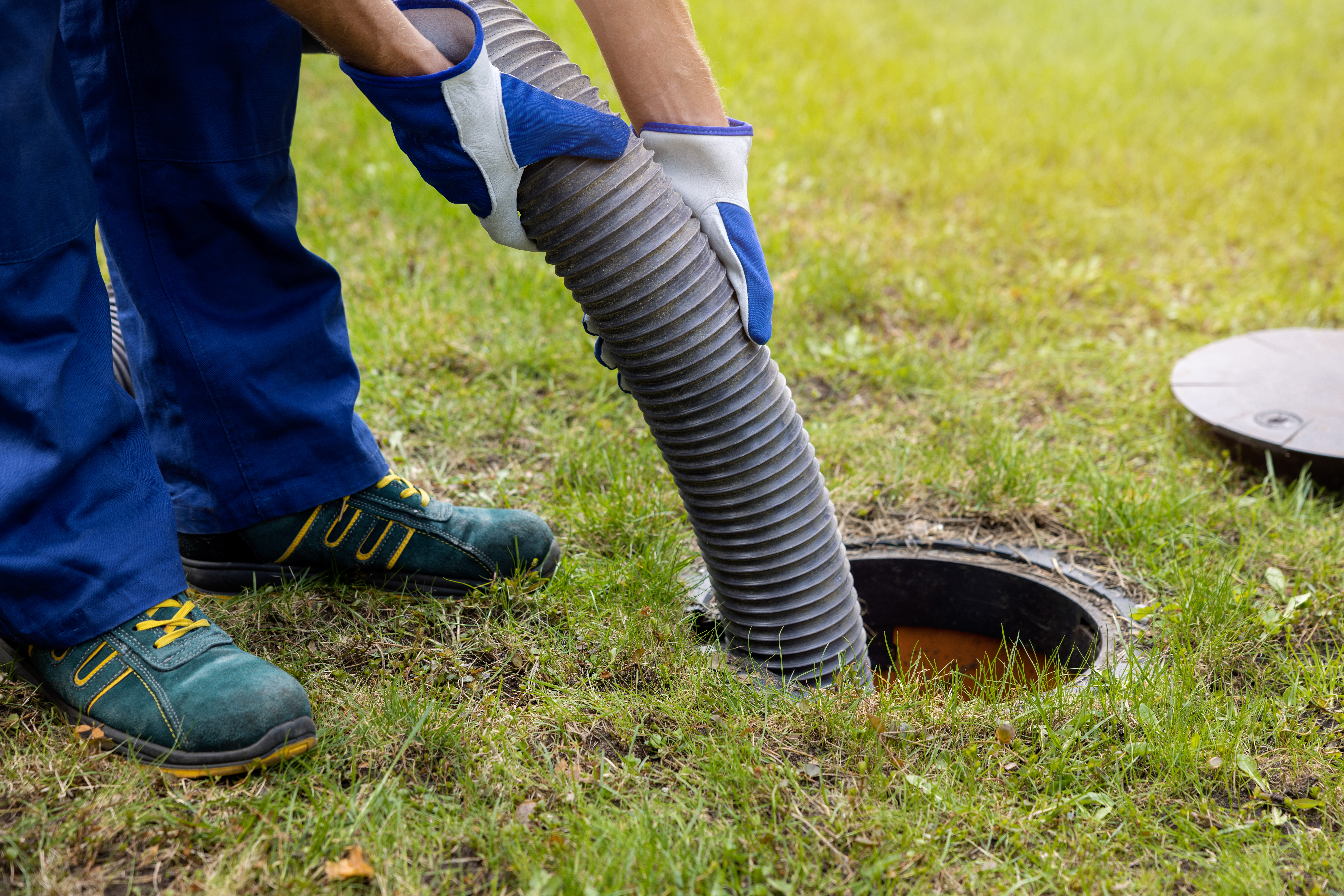
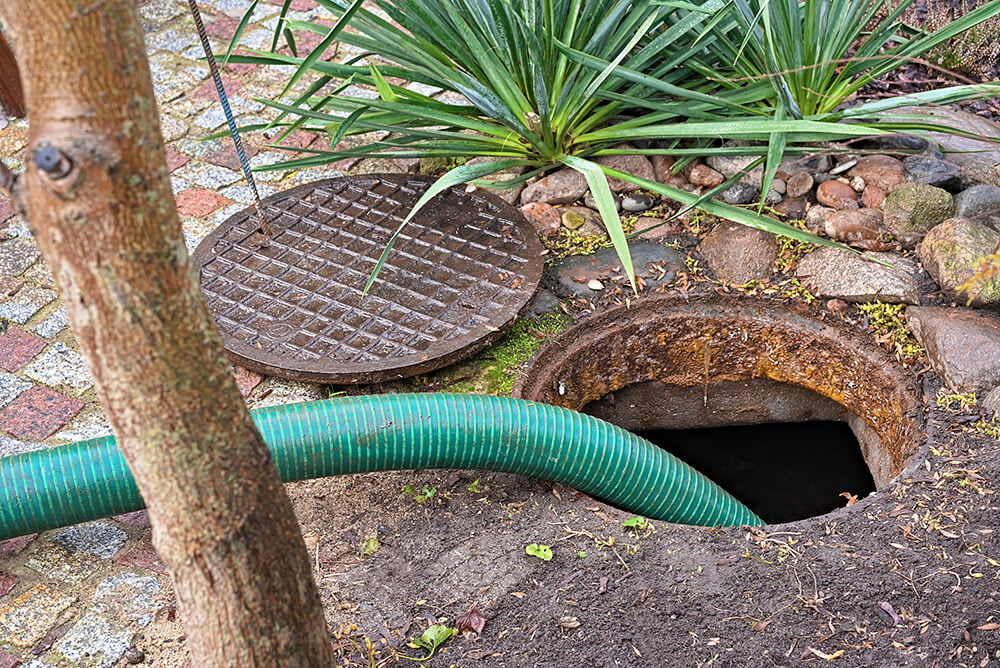
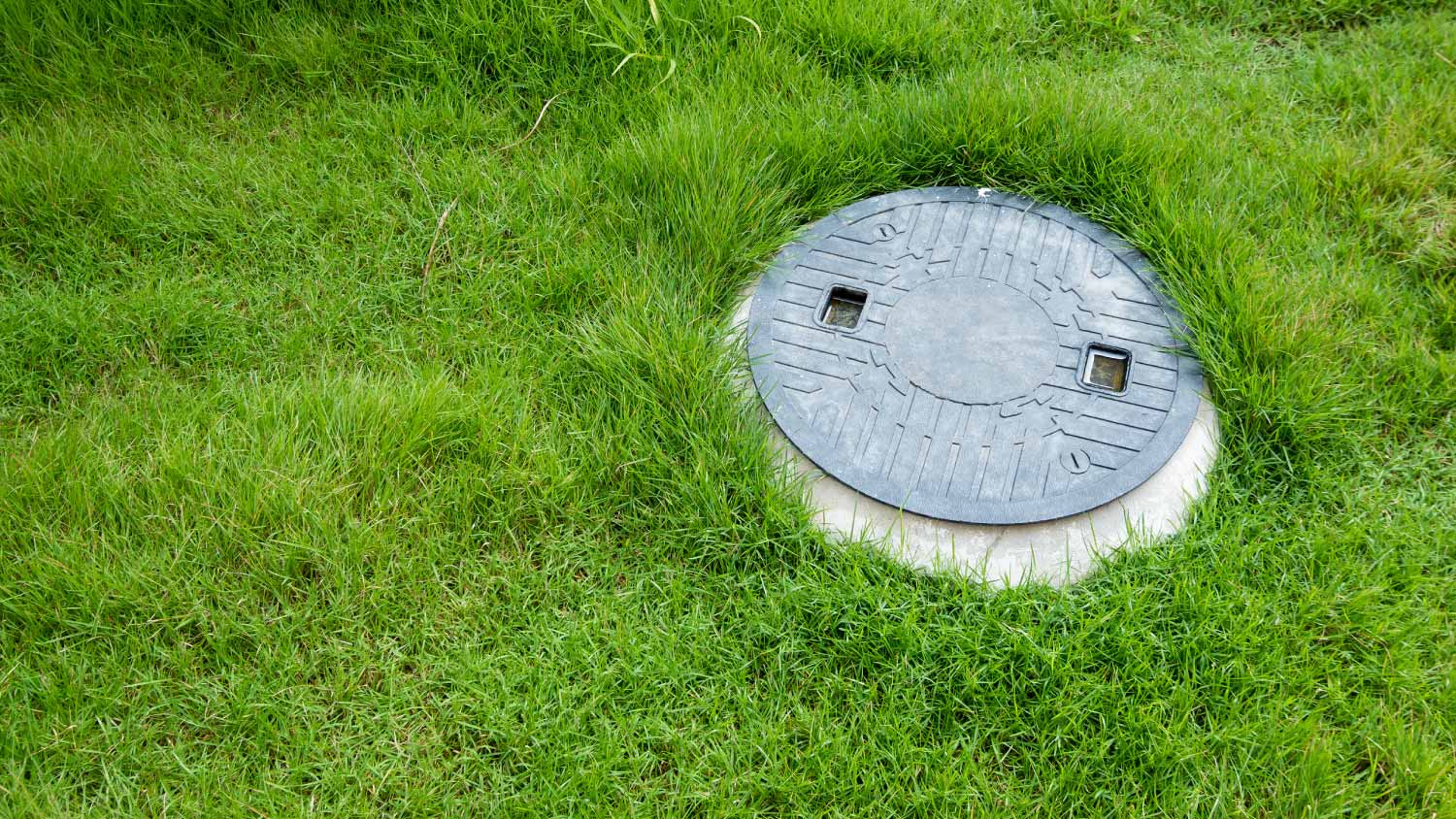
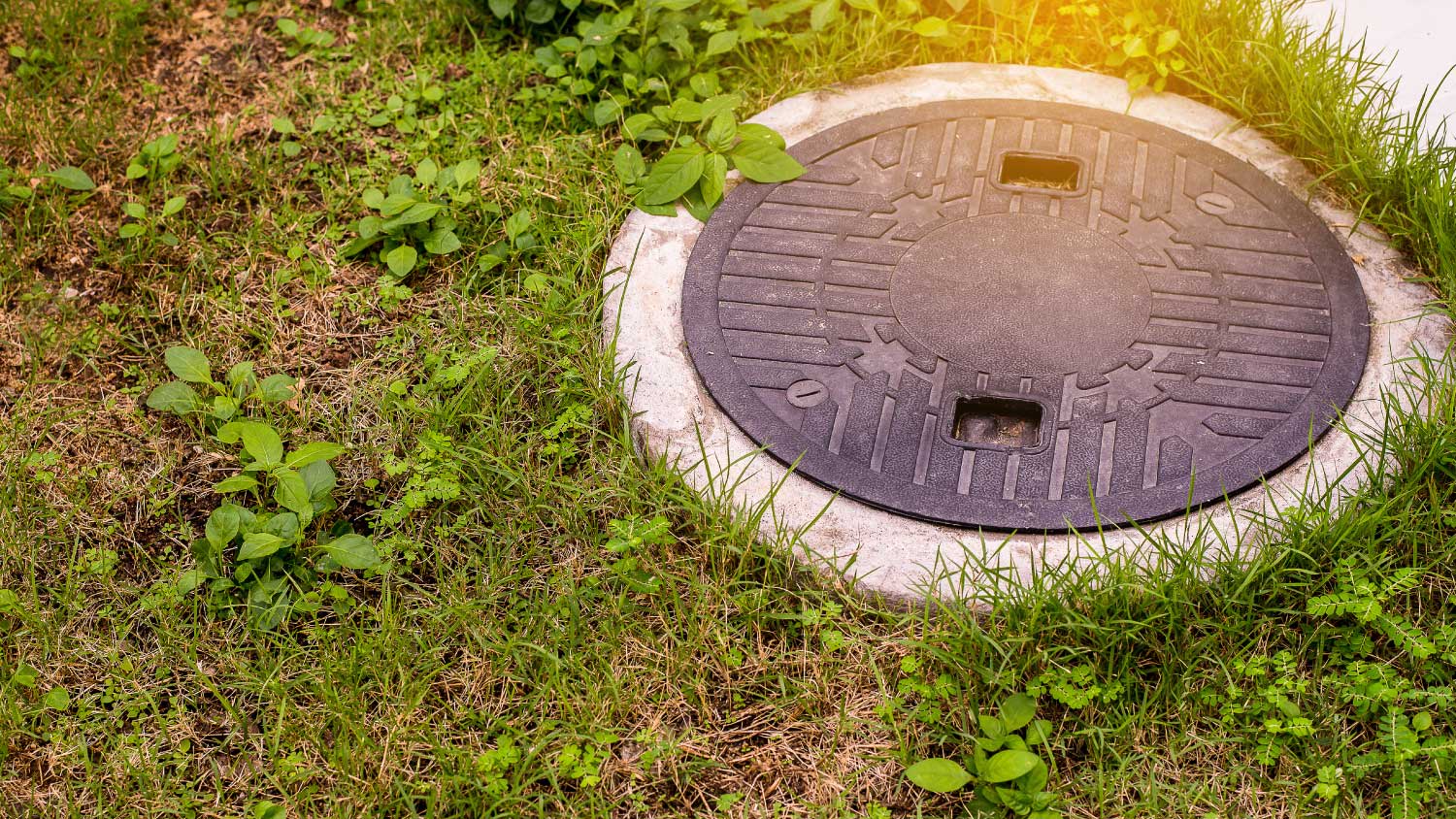
Your septic tank may be full or clogged if you notice household drains that are backed up, draining slowly, or gurgling; greener, lusher grass around the septic system; pooling water in your yard; or smelling sewage odors outdoors. You can contact a local septic tank pro to inspect your septic system and pump your tank.
Choosing a reliable septic tank company starts by finding an experienced company in your area with positive customer reviews online. You can also use the following tips to help ensure you have a positive experience:
Choose a company that is licensed and fully insured
Ask the company for customer references
Ask if the company provides any guarantee for the repair
Determine the provider’s level of experience
The Minto, ND homeowners’ guide to septic tank services
From average costs to expert advice, get all the answers you need to get your job done.
Caring for your septic system is crucial to ensuring its long life. But how much does it cost to pump a septic tank? We explore the different cost factors.
A damaged septic system can leak odors and sewage, so repairs are urgent. Find out how much septic tank repair costs based on repair type, tank size, and more.
Septic tank risers make it easy to access your septic tank when it’s time for routine inspection, maintenance, and pumping, saving you precious time and labor costs.
Septic tank sizes vary depending on the size of your home, how many people live there, how much water you use, and more. Read on to learn how to determine the right size for you.