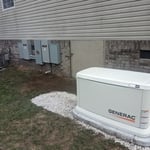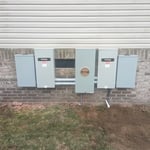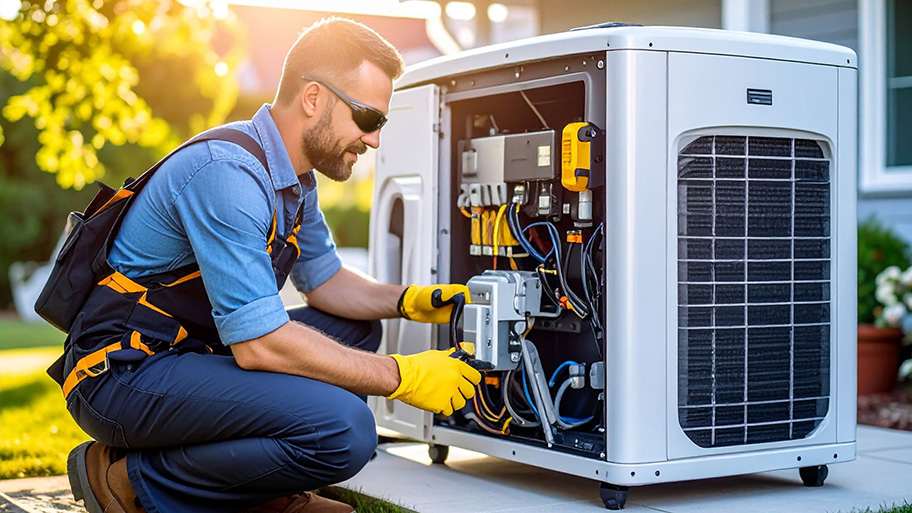



Top-rated generator install pros.

Best generator install pros near Polkton, NC

Enter your zip and get matched with up to 5 pros

Need a pro for your generator install project in Polkton, NC?

Select your specific project to find the pro for you.

Top-Rated Generator install pros in Polkton - Updated Nov 2026

Avatar for SouthernAire Heating and Air Conditioning, LLC
SouthernAire Heating and Air Conditioning, LLC
New to Angi
Fixed Generator - InstallFixed Generator - Repair

Serving Polkton, NC and surrounding areas

Approved

In business since 2000

Free estimates

Emergency services offered

We take great pride in our experience, expertise, quality, and customer service that we provide to meet the consumer's needs. \nIt is our mission to provide excellent workmanship and complete customer satisfaction, from the start to the completion of a project. \nIn order to understand the needs and expectations of our customers, we take great care to work and communicate with every customer \nin a professional manner. Our reputation is based on service, safety, and quality, regardless of how large or small the job.

Wright Electrican
New to Angi
Fixed Generator - RepairGenerator - Repair - For BusinessPortable Generator - Repair

Serving Polkton, NC and surrounding areas

In business since 2017

Free estimates

Credit card accepted

We have the experience and we are committed to providing quality workmanship and superior customer service on all our applications. We at Wright Electrian strive to maintain our reputation as a high quality, very service oriented company with our main focus being customer satisfaction. \n

Showing 1-10 of 31
Generator Install FAQs, answered by experts

Whole-house generators can run continuously for extended periods, even for weeks at a time (around 400 to 500 hours), as long as they have a sufficient fuel supply. However, this type of extensive use will increase wear and tear and can shorten the generator's overall lifespan. During long periods of operation, it's important to check and refill the engine oil as needed, potentially as frequently as daily depending on the model. If your generator uses a fuel tank, ensure it is kept full to prevent unexpected shutdowns.

With proper maintenance, a whole-house generator can last between 20 and 40 years. The specific lifespan depends on how often and for how long the generator is used, and some models may have their life expectancy rated in hours of operation. To maximize its lifespan, expect to spend around $150 to $300 per year for annual maintenance checks from a qualified technician. During these checks, a technician will inspect the engine filter, starting mechanism, fuel, lubrication, and coolant levels. Consulting your installer and choosing a low-impact fuel like natural gas or diesel can also help ensure your generator lasts as long as possible.

Generally, you’ll want to keep between 60 and 70 feet between the generator and the transfer switch. There are a few reasons for this, including:

  • The distance reduces the noise coming from the generator into your home.

  • It increases efficiency because you won’t have a voltage drop from this short of a distance.

  • Prevents carbon monoxide poisoning: keep at least 15 feet between your generator and an open window. 

The cost to install a whole-house generator averages $5,200, with a typical price range of $1,500 to $8,900. However, total costs can vary from $400 for a small portable unit to over $18,000 for a large-capacity system. The most significant cost factor is the generator's size and capacity, but other variables include the brand, fuel type, and labor for assembly and installation.

Generator costs can be broken down by type:

  • Portable or Emergency Backup Generators (1kW–7.5kW): $500 to $2,000

  • Partial-Home Generators (9kW–20kW): $2,000 to $6,500

  • Whole-House Generators (22kW–48kW): $5,000 to $18,000

To avoid paying for more power than you need, consider hiring an electrician to calculate the electrical load for your essential appliances. It is also recommended to get at least three quotes to find the best deal for your specific needs and budget.

No, you should never plug a generator directly into a wall outlet in your house. This practice is extremely dangerous, often illegal, and can cause "back-feeding," where power from the generator flows back into utility lines, creating a life-threatening hazard for utility workers. It can also damage your home's electrical system, including appliances like pumps and HVAC fans. If the main power is restored while the generator is connected, it can destroy the generator and cause an electrical fire. To safely connect a generator, you must use a professionally installed transfer switch or an interlocking kit, which prevents back-feeding by disconnecting your home from the utility grid before the generator provides power.

The Polkton, NC homeowners’ guide to generator installs

From average costs to expert advice, get all the answers you need to get your job done.