

Top-rated drywall pros.

Get matched with top drywall pros in Union Grove, NC

Enter your zip and get matched with up to 5 pros

Need a pro for your drywall service project in Union Grove, NC?

Select your specific project to find the pro for you.

Find Drywall pros in Union Grove

Avatar for Straight Edge Painting Pros
Straight Edge Painting Pros
5.0(
71
)
Drywall - InstallDrywall - Install - For BusinessDrywall - Repair+1 more

Serving Union Grove, NC and surrounding areas

Approved

In business since 2014

Free estimates

Emergency services offered

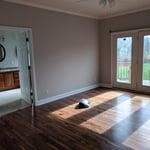
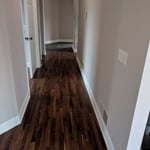
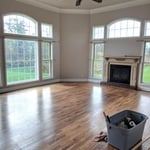
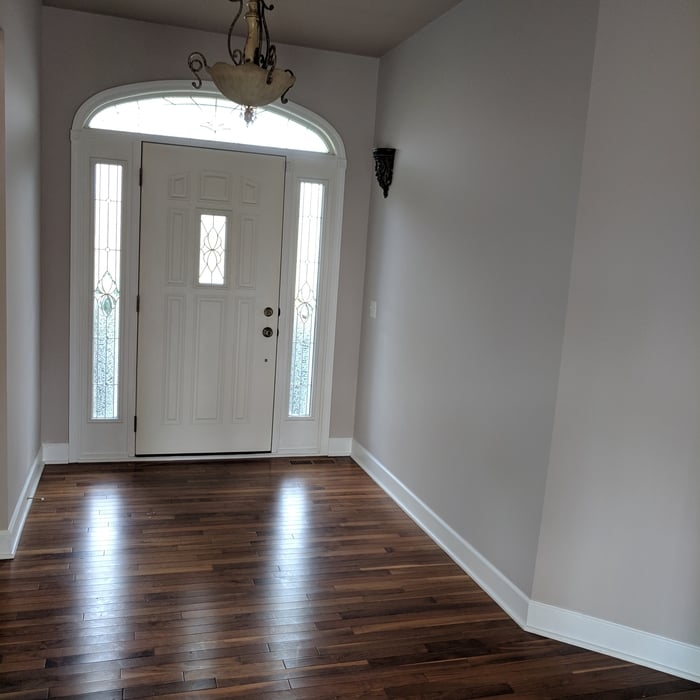
"Straight Edge Painting Pros guys did awesome. It was exactly what I had imagined. Wes was very helpful in stating having the drywall ready for paint included priming and repairing imperfections which took an extra day. The guys took the time to make sure the drywall is perfect and ready for me to paint and also installed new baseboards."
Additional Photos
Additional Photos
Additional Photos
Additional Photos
Additional Photos

+3

Response time7 hrs
3 neighbors recently requested a quote
Recommended by88%of homeowners
Avatar for Roesner Construction
Roesner Construction
5.0(
3
)
Drywall - InstallDrywall - Install - For BusinessDrywall - Repair+1 more

Serving Union Grove, NC and surrounding areas

Approved

In business since 2024

Free estimates

Small jobs welcome

"George with Roesner Construction responded quickly to both our request and with an estimate. He completed both our initial project and some additional projects in a timely fashion. He did a great job with the drywall repair and the painting. We will keep him on our list of folks to call when we need work in the future!"
Deck remodel
Deck remodel
Deck remodel
Remodel
Remodel

+7

Recommended by33%of homeowners
Avatar for Silver Line Construction Plus
Silver Line Construction Plus
5.0(
11
)
Drywall - InstallDrywall - Install - For BusinessDrywall - Repair+1 more

Serving Union Grove, NC and surrounding areas

Approved

In business since 2015

Free estimates

Credit card accepted

"They did a great job! My roof looks great! Reliable and kept me well informed about everything. They kept cost in mind and cleaned up nicely after themselves. Serge even came out late to tarp the roof until it could get repaired so that I didnâ t have any further damage to the house waiting for the roof. They were very nice to work with. Great people. I canâ t say enough good things about them!"
Response time1 day
Recommended by100%of homeowners
...
Showing 1-10 of 176
Drywall questions, answered by experts

Yes, you can apply new plaster over an existing plaster surface, such as a wall or ceiling, provided the old plaster is in good condition. Before you begin, check the stability of the existing plaster. The surface must be clean, free of loose material, and have no peeling paint. It is also recommended to roughen the surface slightly to promote adhesion. For older plaster, applying a base coat like a PVA emulsion or a specific bonding agent or primer is crucial. This step makes the existing plaster less porous and ensures the new and old layers adhere properly for a smooth, long-lasting finish.

Although they have similar applications, spackle and joint compound are not the same. Their primary differences lie in their composition, consistency, and ideal use cases.

Spackle is composed of gypsum and binding agents, making it thicker than joint compound. It dries quickly and is easy to sand, which makes it ideal for small wall repair projects like filling nail holes or patching minor damage.

Joint compound, also known as drywall mud, consists of limestone and gypsum. It is primarily used for large-scale projects, such as taping and finishing the seams on newly installed drywall. It tends to shrink more than spackle and can be more difficult to spread.

While both products can be used to fill small depressions and cracks, spackle cannot replace joint compound for taping and mudding new drywall. Conversely, you can often use joint compound for small patching jobs typically done with spackle.

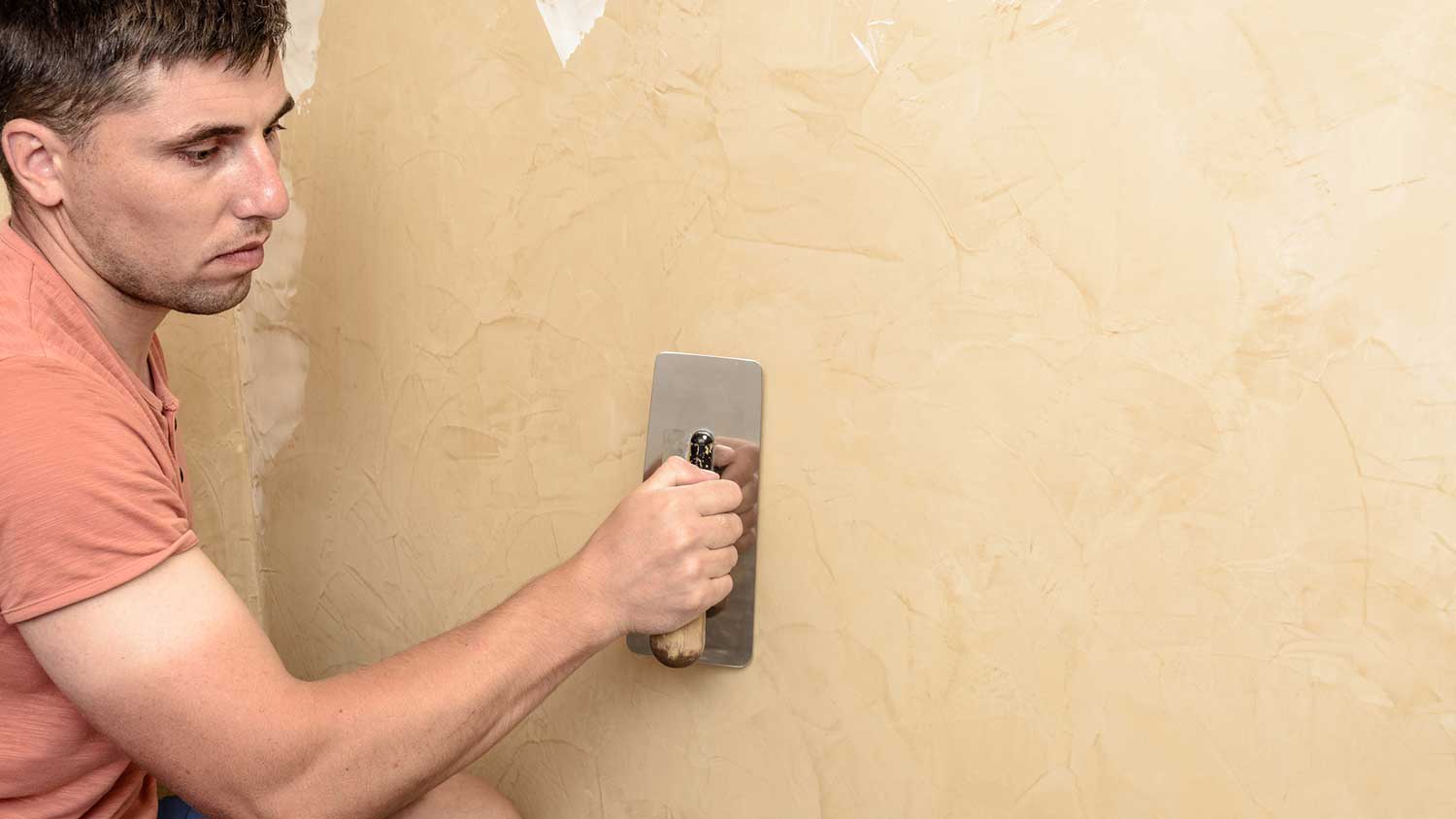
Plastering and skimming are two different techniques for finishing walls. Plastering involves applying a thick layer of a plaster mixture—typically containing gypsum, lime, cement, sand, and water—to create a new surface. This process often requires multiple coats and is used for repairing significant damage or creating decorative textures. Skimming, on the other hand, is a technique that involves applying a thin layer of drywall compound or joint compound over an existing surface to smooth it out, covering minor imperfections, small cracks, or uneven textures for a polished look. Plastering is generally more costly and labor-intensive than skimming. Although some people use the terms interchangeably, they refer to different processes and materials.

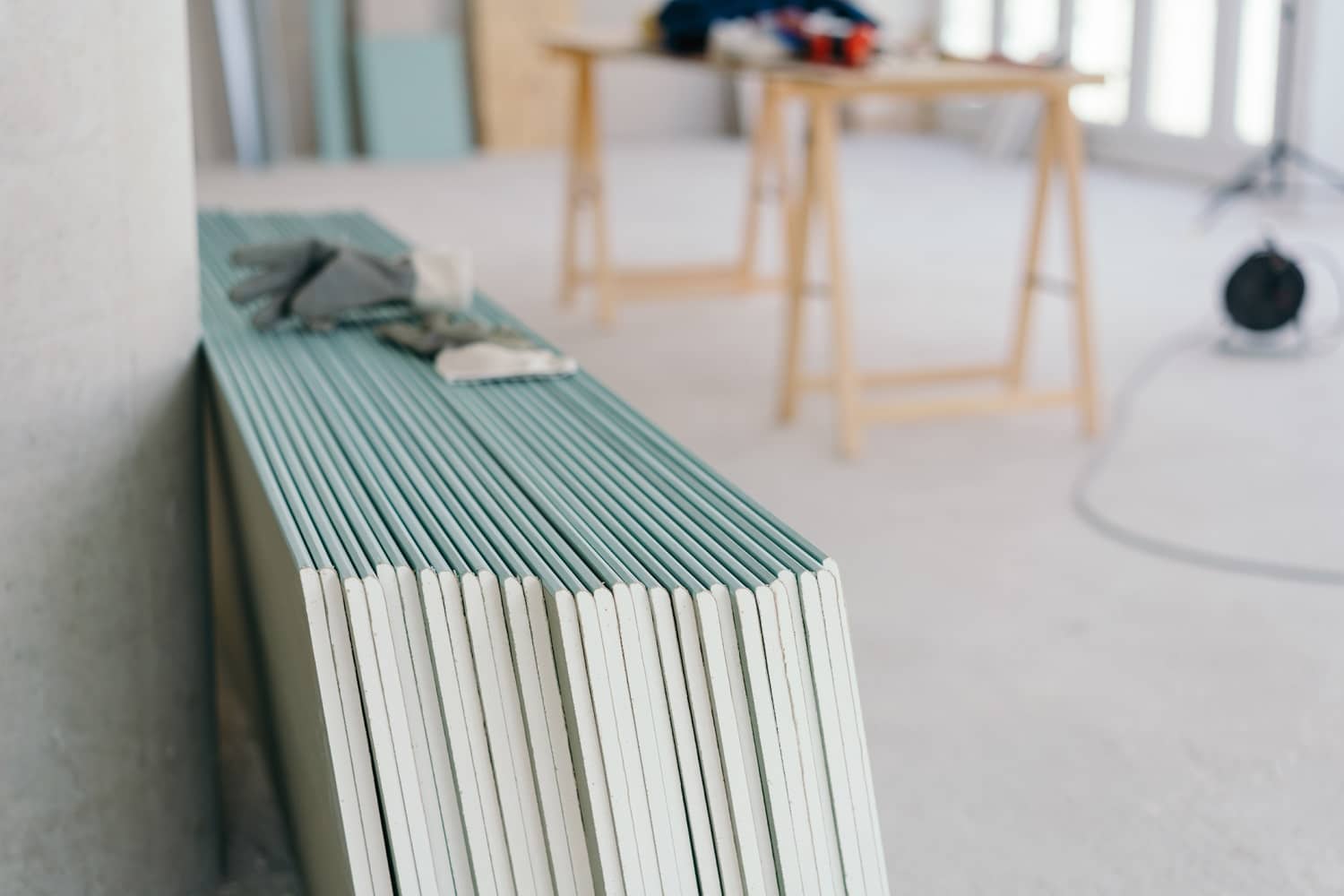
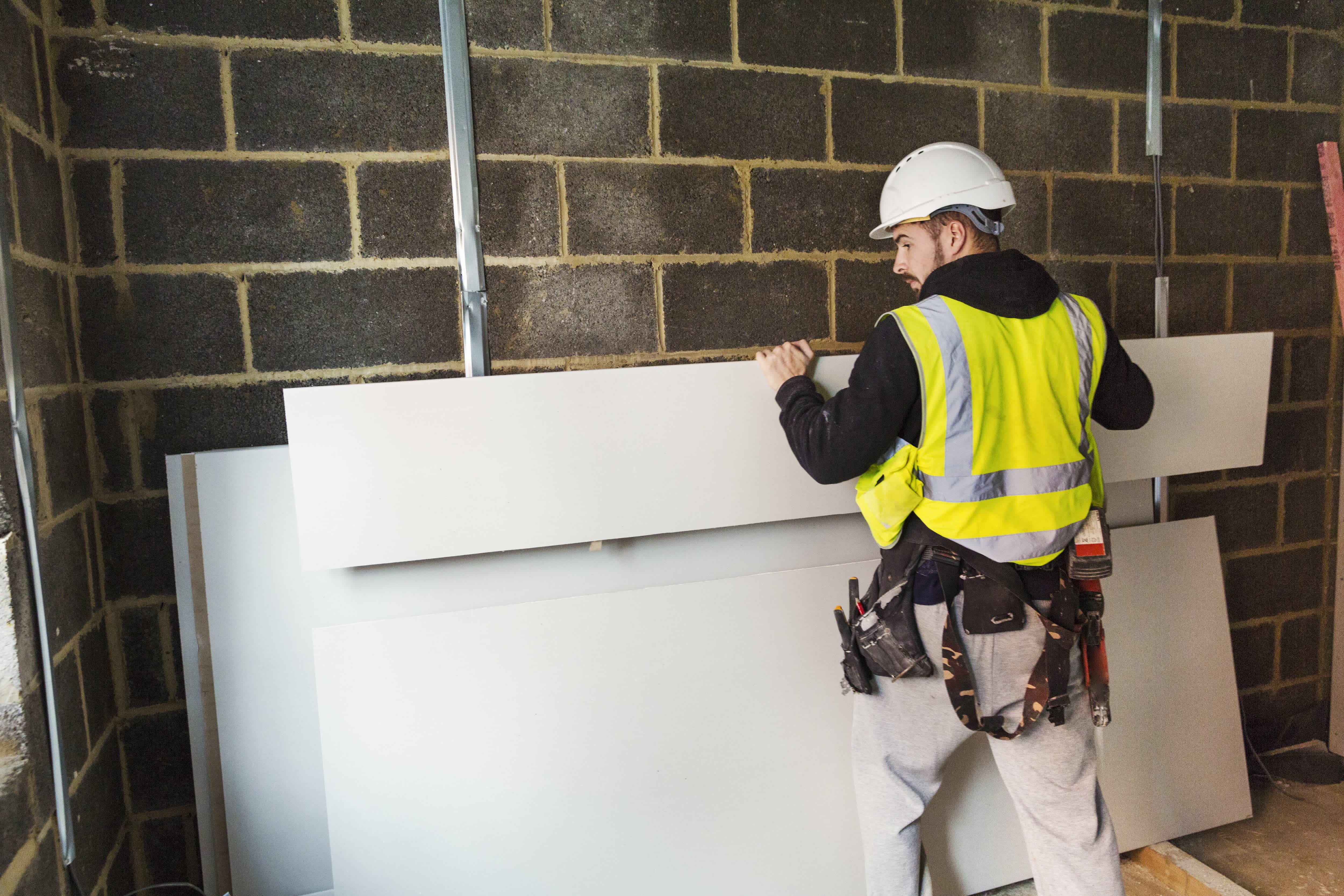
If you're comfortable hanging drywall yourself, you may be comfortable finishing it. But it's worth noting that finishing drywall adds several steps to the process and a lot of waiting time. Hiring a drywall installer may be the way to go if you'd rather spend your time doing other things or are nervous about leaving a rough surface.

Water-damaged drywall should almost always be replaced. Not only does it look bad, it’s a breeding ground for toxic mold. Even if you think the area is dry and there’s no active leak, the only way to be sure is to cut out the damaged area and see for yourself.

The Union Grove, NC homeowners’ guide to drywall services

From average costs to expert advice, get all the answers you need to get your job done.