





Top-rated drywall pros.

Best drywall pros near Hamptonville, NC

Enter your zip and get matched with up to 5 pros

Need a pro for your drywall service project in Hamptonville, NC?

Select your specific project to find the pro for you.

TRUSTED BY HAMPTONVILLE, NC HOMEOWNERS

  • Average homeowner rating star icon4.9
    Average homeowner rating
  • Verified reviews icon13
    Verified drywall services reviews

Top-Rated Drywall pros in Hamptonville - Updated Nov 2026

Avatar for Silver Line Construction Plus
Silver Line Construction Plus
5.0(
11
)
Drywall - InstallDrywall - Install - For BusinessDrywall - Repair+1 more

Serving Hamptonville, NC and surrounding areas

Approved

In business since 2015

Free estimates

Credit card accepted

"They did a great job! My roof looks great! Reliable and kept me well informed about everything. They kept cost in mind and cleaned up nicely after themselves. Serge even came out late to tarp the roof until it could get repaired so that I didnâ t have any further damage to the house waiting for the roof. They were very nice to work with. Great people. I canâ t say enough good things about them!"
Response time1 day
Recommended by100%of homeowners
Avatar for Nicholas Byrd
Nicholas Byrd
New to Angi
Drywall - InstallDrywall - Repair

Serving Hamptonville, NC and surrounding areas

Approved

Small jobs welcome

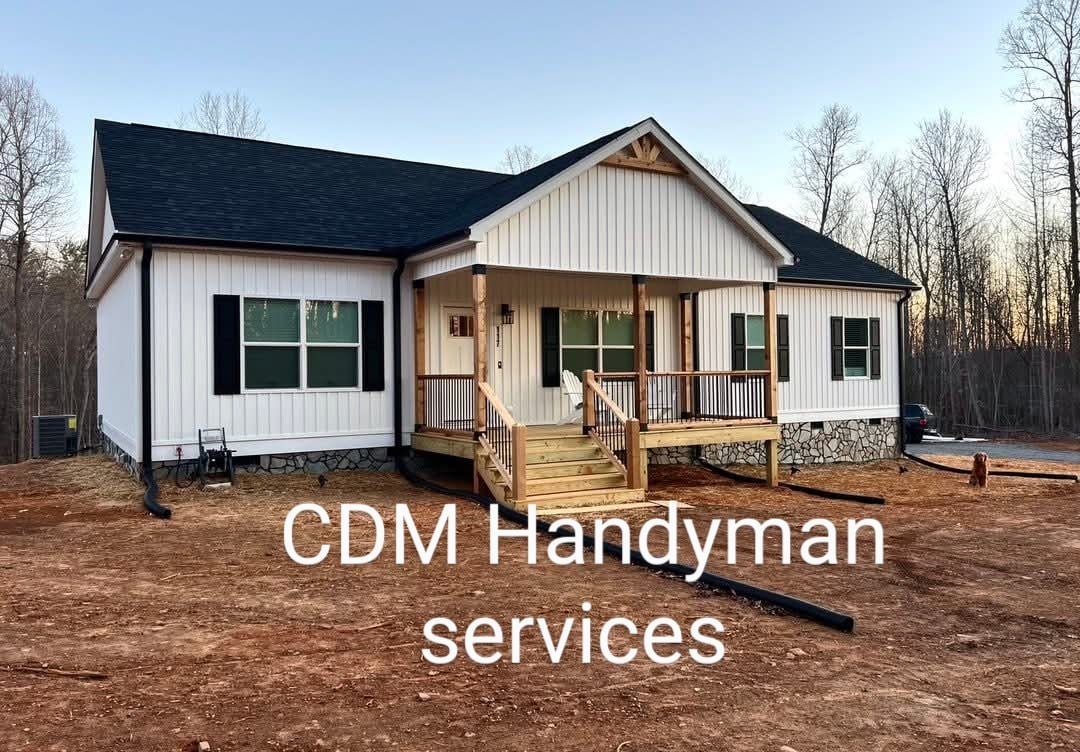
Hello my name is Nick and I'm a "Handyman".\nI have a lot of experience within many fields including but not limited to- concrete, framing, electrical, audio/visual, plumbing, and roofing. \nI'm a very detail oriented worker and will do everything I can to make my work perfect and have a happy customer.\nPlease feel free to reach out about anything and I should be in touch soon.\nThanks.

1 neighbors recently requested a quote
...
Showing 1-10 of 123
Drywall FAQs, answered by experts

Whether to repair or replace water-damaged plaster depends on the scale of the damage. For small, limited areas, you can often perform a repair yourself. If you choose to paint over small patches, ensure the surface is completely dry and apply a coat of antifungal primer first to prevent mold growth. However, simply painting or plastering over the damage is only a temporary solution that doesn't address the core problem. For more extensive or long-term damage, the plaster may be compromised, and there is a risk of mold. In these cases, it is recommended to remove the damaged section of plasterboard and replace it. You may consider hiring a professional for the repair, and it's worth noting that water damage is often covered by home insurance.

Common causes include water leaks, settling, and impact. Address underlying issues to prevent recurring damage.

It’s not a good idea to plaster over broken plaster (unless by broken you’re referring to cracked, in which case that’s perfectly fine). However, broken plaster can be a sign of a larger underlying issue like foundation damage or severe damage to the lath holding up the plaster, so it’s worth investigating before you simply plaster on top of the damage.

Although they have similar applications, spackle and joint compound are not the same. Their primary differences lie in their composition, consistency, and ideal use cases.

Spackle is composed of gypsum and binding agents, making it thicker than joint compound. It dries quickly and is easy to sand, which makes it ideal for small wall repair projects like filling nail holes or patching minor damage.

Joint compound, also known as drywall mud, consists of limestone and gypsum. It is primarily used for large-scale projects, such as taping and finishing the seams on newly installed drywall. It tends to shrink more than spackle and can be more difficult to spread.

While both products can be used to fill small depressions and cracks, spackle cannot replace joint compound for taping and mudding new drywall. Conversely, you can often use joint compound for small patching jobs typically done with spackle.

How you hang the drywall can affect the finishing process. It's often easier to finish horizontal drywall panels, as the seams run across the wall rather than up and down. Standard drywall panels are 48 inches wide, so the seam is easy to reach without bending down or stretching your arms.

The Hamptonville, NC homeowners’ guide to drywall services

From average costs to expert advice, get all the answers you need to get your job done.