
Top-rated electricians.

Get matched with top electricians in Jonesville, NC

Enter your zip and get matched with up to 5 pros

Need a pro for your electrical service project in Jonesville, NC?

Select your specific project to find the pro for you.

TRUSTED BY JONESVILLE, NC HOMEOWNERS

  • Average homeowner rating star icon4.6
    Average homeowner rating
  • Verified reviews icon60
    Verified electrical services reviews

Find Electricians in Jonesville

Avatar for Hamilton LP Lightning Rods
Hamilton LP Lightning Rods
5.0(
11
)
Lightning Protection - Install or Repair

Serving Jonesville, NC and surrounding areas

Approved

In business since 1964

Free estimates

Offers commercial services

With more than 30 yrs of experience, Hamilton Lightning Protection is dedicated to providing our customers with the best quality at a great price. We are here to build relationships with our customers and communities and to provide our employees with a great place to work. We look forward to working with you!

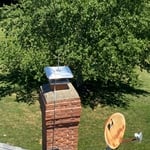
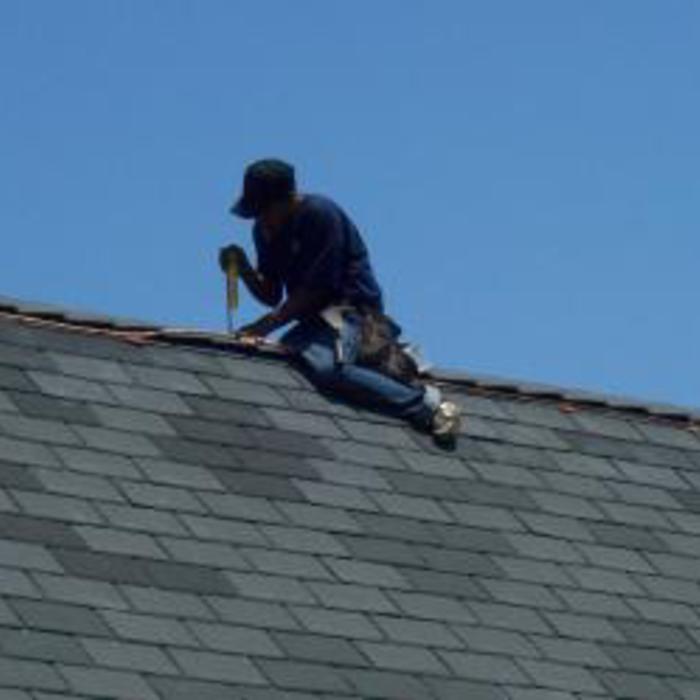
Chimney rod and conductor cable
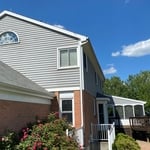
Front of home,system is barely noticeable
Hiding the cables best we can
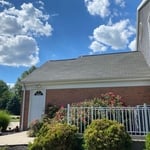
Rear of home
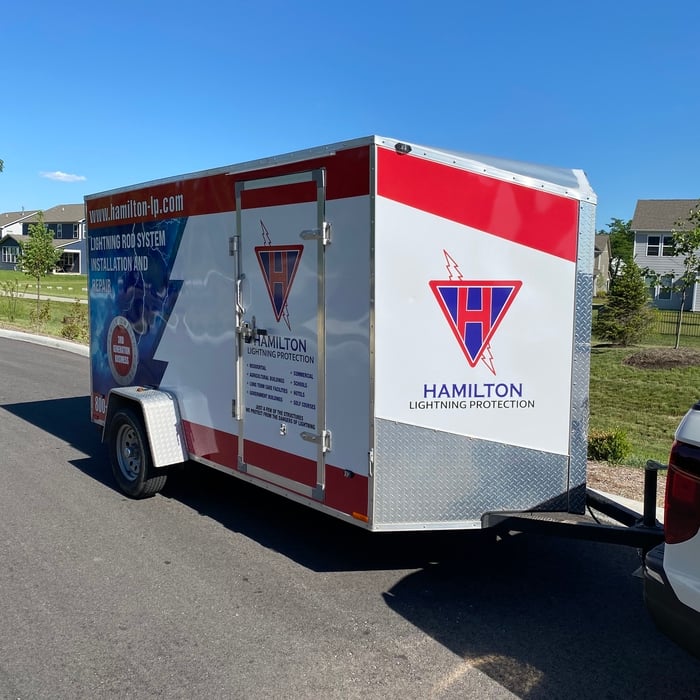
Work trailer

+4

Response time1 day
38 neighbors recently requested a quote
Recommended by100%of homeowners

...
Showing 1-10 of 139
Electrical questions, answered by experts

Outdoor outlets should be at least 15-amp, but preferably 20-amp. The exact rating will depend on the electrical load of the devices that will be plugged into the outlet and the capacity of the circuit. It's important not to overload the circuit, which can cause safety hazards such as tripped breakers or electrical fires. In general, a circuit rated for at least 20 amps is recommended for outdoor outlets, while each outlet should be rated for at least 15 amps.

According to the National Electrical Code (NEC), GFCI outlets should be installed in wet or damp locations where they might be splashed with water or other liquids. This is to protect against ground faults, which are more common around water. Specific areas that require GFCI outlets include kitchens (especially near counters), bathrooms, laundry rooms, basements, garages, and all outdoor receptacles. Depending on local electrical codes, you may need at least one GFCI outlet in these rooms, or every outlet in the area may need to be GFCI protected.

While you might not need to put lights and outlets on separate circuits, some local codes may require that you use separate circuits. Installing a separate circuit helps prevent total darkness in your home when your receptacle outlets take on too much power and blow a fuse or trip the breaker. It also costs less and is easier to simply install a new circuit.

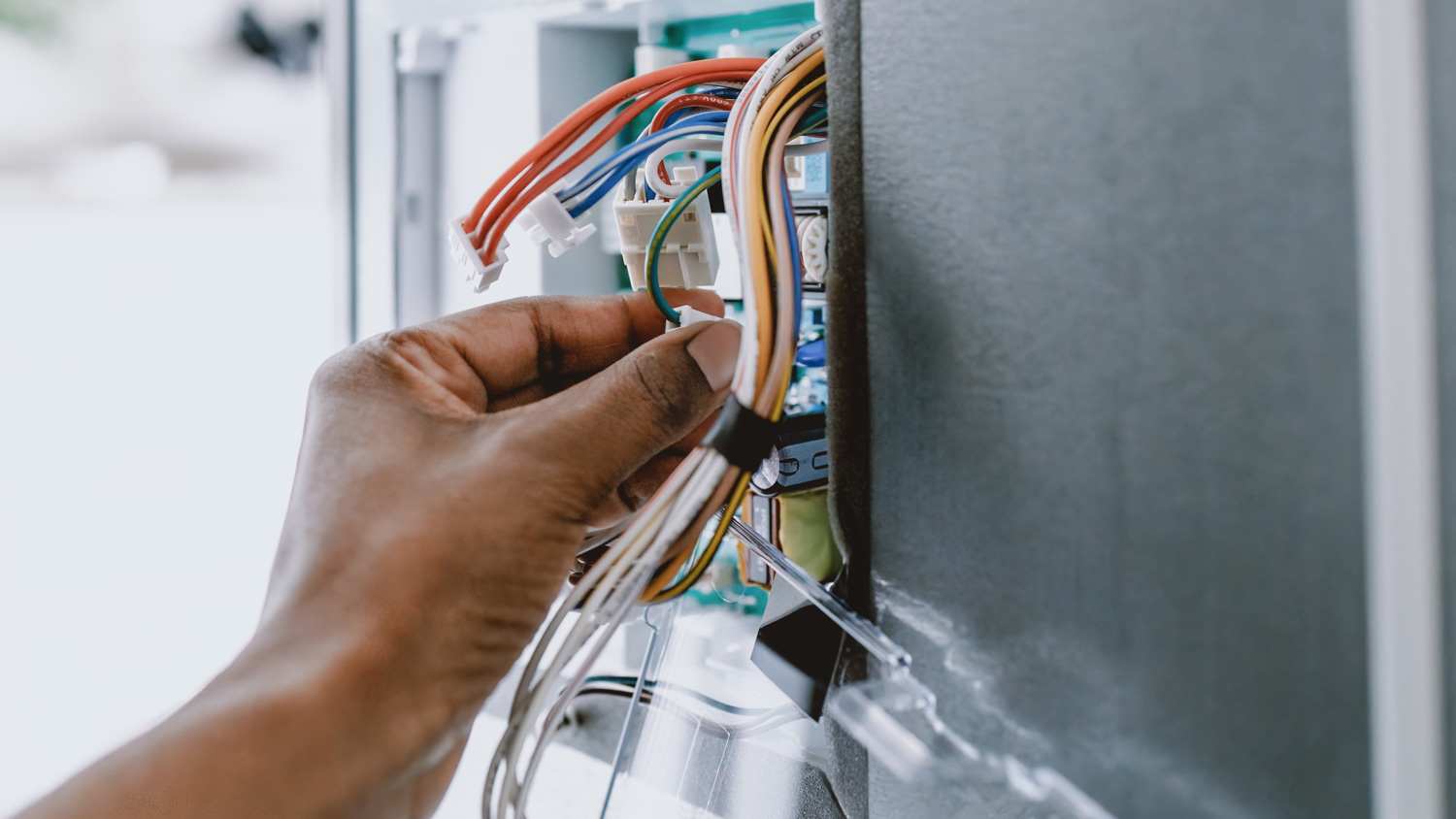
With AC wiring, which is the kind most likely you’ll find at home, the black wire is “hot,” and the white is “neutral.” The bare or green wire is considered the safety ground wire. If you encounter DC wiring, it’s relatively easy to tell positive or negative wires apart. red wires are used to indicate positive voltage and black wires indicate negative voltage.

If your plug feels hot to the touch, it’s likely a sign of an electrical issue that needs immediate attention. Check for signs of melting or discoloration around the plug, as well as any burning smells or smoke. If you notice any of these signs, immediately unplug any devices and do not use the outlet again until it’s been inspected by a qualified electrician.

The Jonesville, NC homeowners’ guide to electrical services

From average costs to expert advice, get all the answers you need to get your job done.