




Top-rated excavation pros.

Get matched with top excavation pros in Mebane, NC

Enter your zip and get matched with up to 5 pros

Need a pro for your excavation project in Mebane, NC?

Select your specific project to find the pro for you.

TRUSTED BY MEBANE, NC HOMEOWNERS

  • Average homeowner rating star icon4.6
    Average homeowner rating
  • Verified reviews icon49
    Verified excavation services reviews

Find Excavation pros in Mebane

Avatar for AffluentView LLC
AffluentView LLC
4.3(
60
)

Serving Mebane, NC and surrounding areas

Approved

In business since 2016

Free estimates

Emergency services offered

"I needed four 2 acre lots cleared all trees and shrubs hauled off and graded on real estate just purchased will continue to use them good smooth business"
 hardscape & landscape
Hardscaping
Best of the best
Tree works
Tree works

+91

Response time4 hrs
Response rate98%
122 neighbors recently requested a quote
Avatar for Allison's Welding
Allison's Welding
5.0(
11
)

Serving Mebane, NC and surrounding areas

Approved

In business since 2018

Free estimates

Emergency services offered

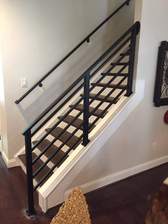
"Allison s Welding is awesome - quality work and delightful to work with. Our rails are perfect and Josh and his team are courteous and punctual. Our house is almost one hundred years old and they matched our original railings so that they fit right in. We highly recommend them."
Response time3 days
Recommended by100%of homeowners
Avatar for Pro Serv Enterprises
Pro Serv Enterprises
5.0(
7
)

Serving Mebane, NC and surrounding areas

Approved

In business since 2000

Free estimates

Credit card accepted

"ProServ does many different things for our business. Cleans our building each night. Cleans carpets as needed. Does General maintenance in our office and takes care of our landscaping /mowing/snow removal.."
Response time3 hrs
Response rate97%
42 neighbors recently requested a quote
...
Showing 1-10 of 145
Excavating questions, answered by experts

Digging a bush up by the roots is the most natural DIY method for removing a bush stump. Start by identifying the shrub type and revealing its roots. Cut the shrub to its base and loosen the soil, ensuring no utility lines are nearby. Optionally, treat the base with herbicide, then dig around the roots and cut a circle around the shrub using various tools. Dig a trench, cut the base of the root ball, and finally fill the hole to prevent regrowth. This thorough process ensures complete removal without damaging surrounding areas.

Prior to excavation, you should prepare the dig site and call 311 before you sign anything.

To get your site ready for excavation, you should move anything in the area that isn’t affixed to the land. You can save money on the excavation by removing hardscaping, including walkways, decks, concrete patios, and paver patios.

Before you carry out any digging, you should call 311 to confirm that there are no utility lines running through your excavation site. Skipping this step could lead to severe injury and property damage if your excavator hits a water, sewage, or gas line.

The best way to protect tree roots is to avoid the roots entirely by excavating outside the root radius of the tree. For nearby projects, it’s a good idea to construct a temporary retaining wall. But that’s not always possible, depending on the project and the root system. In these cases, consider using alternative equipment like an auger to tunnel under the ground.

Remember, tree roots can damage nearby cement foundations as they grow. If a tree is close enough to interfere with large excavations, it may be better to remove the tree than risk future problems.

You can dig 60 to 80 linear feet by hand per day depending on the depth. Digging a 100-foot trench by hand will take you two work days, but it can take longer if you have heavy or rocky soil. If you’re digging a deep trench or one that’s over 100 feet, consider renting a mechanical trencher, such as a walk-behind or ride-on, or calling a pro for help. 

In the United States, a depth of 36 inches (three feet) for underground water lines is the accepted industry standard. This depth varies from location to location based on local conditions. In areas with colder winters, they may be buried deeper to prevent frozen well water pipes : This is usually at least six inches below the frost level. The International Plumbing Code calls for a minimum of 12 inches below grade.

The Mebane, NC homeowners’ guide to excavation services

From average costs to expert advice, get all the answers you need to get your job done.