


Top-rated concrete resurfacing pros.

Get matched with top concrete resurfacing pros in Fair Bluff, NC

Enter your zip and get matched with up to 5 pros

Need a pro for your concrete resurfacing project in Fair Bluff, NC?

Select your specific project to find the pro for you.

Find Concrete resurfacing pros in Fair Bluff

Glen Robinson & Son Concrete Service
4.8(
24
)
Concrete Flatwork - Repair & ResurfaceConcrete Flatwork - Repair & Resurface- For Business

Serving Fair Bluff, NC and surrounding areas

Approved

Super Service Award Winner

In business since 1999

Free estimates

Customers say: Terrific value

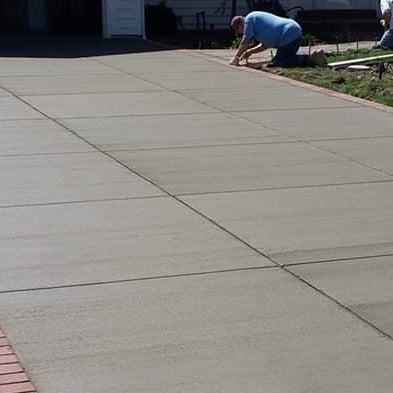
"I highly recommend Glenn Robinson and Son. They did a great job. They did concrete for our 12 x 21 sunroom and we are very happy! The how crew works hard and didn’t stop. They are very knowledgeable and friendly. They when above and beyond my expectations."
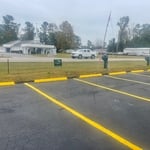
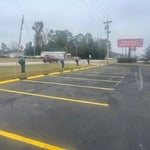
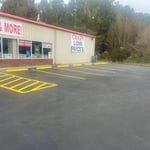
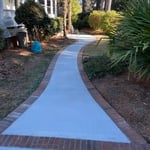
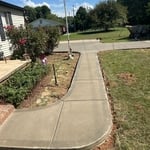
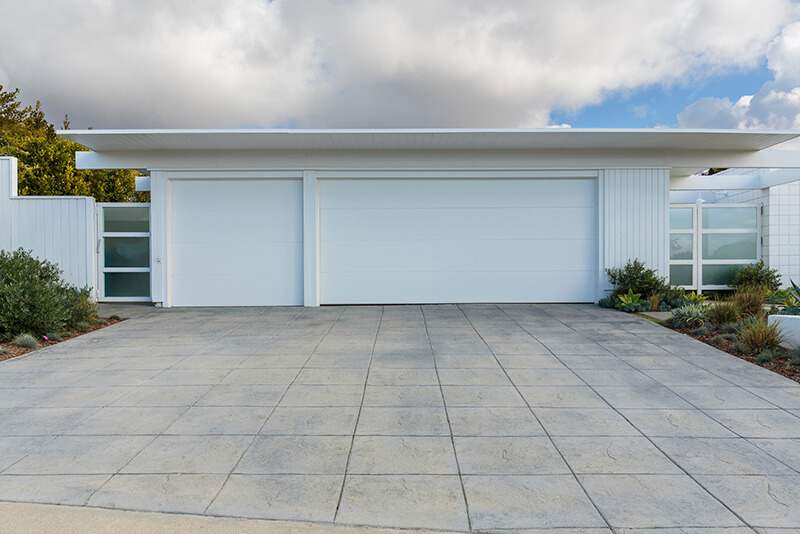
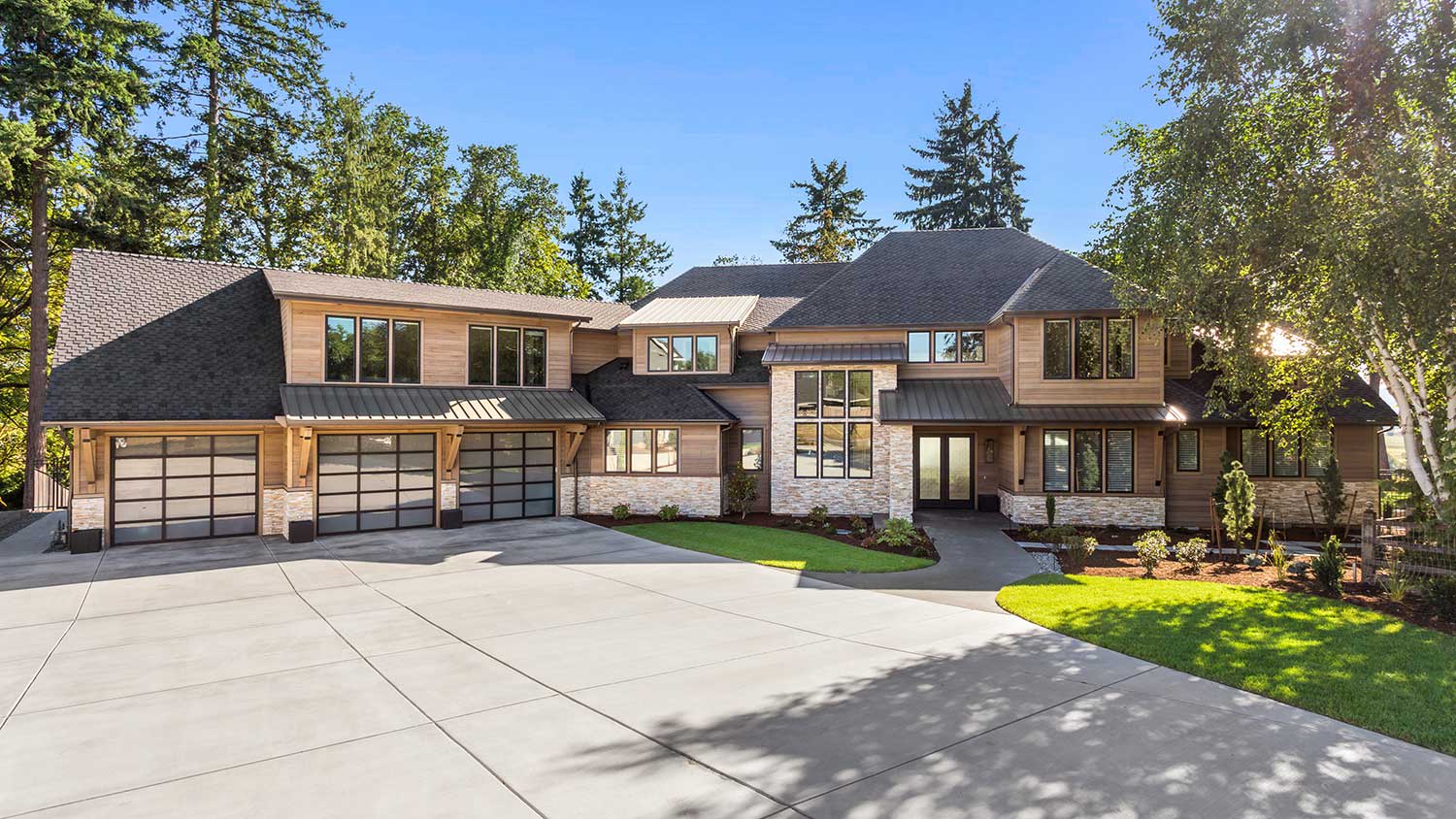
Additional Photos
Response time2 days
Response rate100%
8 neighbors recently requested a quote
Showing 1-10 of 25
Concrete Resurfacing questions, answered by experts
Concrete shrinkage cracks are very common and should be expected. Even professionals end up with shrinkage cracks on newly poured concrete slabs. Remember that these cracks are not harmful to the slab's strength, though some homeowners do prefer to fill in the cracks for aesthetics. When installing concrete, you can avoid ample concrete shrinkage cracks by avoiding hot, sunny, or windy days.
Like all concrete, pervious concrete is susceptible to cracking due to expansion and contraction from freezing and thawing or heavy weight. Pervious concrete, however, is less likely to crack due to moisture intrusion than traditional concrete since pervious concrete is designed to drain and hold water in the material’s voids.

To maintain concrete floors, clean them regularly with a damp mop and avoid using abrasive cleaning agents that can damage the finish. Reseal the concrete every 2-3 years to protect the surface and enhance its appearance.

No, wet concrete will not bond to dry concrete without an additional bonding agent. The common alternative is adding a sand or gravel layer under a concrete slab to enhance bonding and create a stable foundation. The right choice depends on the height and thickness of your two slabs, local laws, and the use of the specific concrete slab.

Concrete resurfacing is the process of applying a new, thin layer of concrete over an existing concrete slab to enhance its appearance and durability. The terms 'concrete resurfacing' and 'concrete overlay' are often used interchangeably, though the exact meaning can vary between contractors. Generally, both refer to applying a layer of pre-blended concrete, typically between 1/4-inch and 1-inch thick. Some contractors may use 'overlay' to describe a thicker application that adds structural integrity, while 'resurfacing' might refer to a thinner, more cosmetic layer. This process is a cost-effective alternative to completely replacing the concrete, as it uses significantly less material than pouring a new 4-inch slab. Resurfacing also provides an opportunity to add new colors or stamped textures. Other names for this process include concrete restoration, concrete refinishing, and concrete rejuvenation.

The Fair Bluff, NC homeowners’ guide to concrete resurfacing

From average costs to expert advice, get all the answers you need to get your job done.