

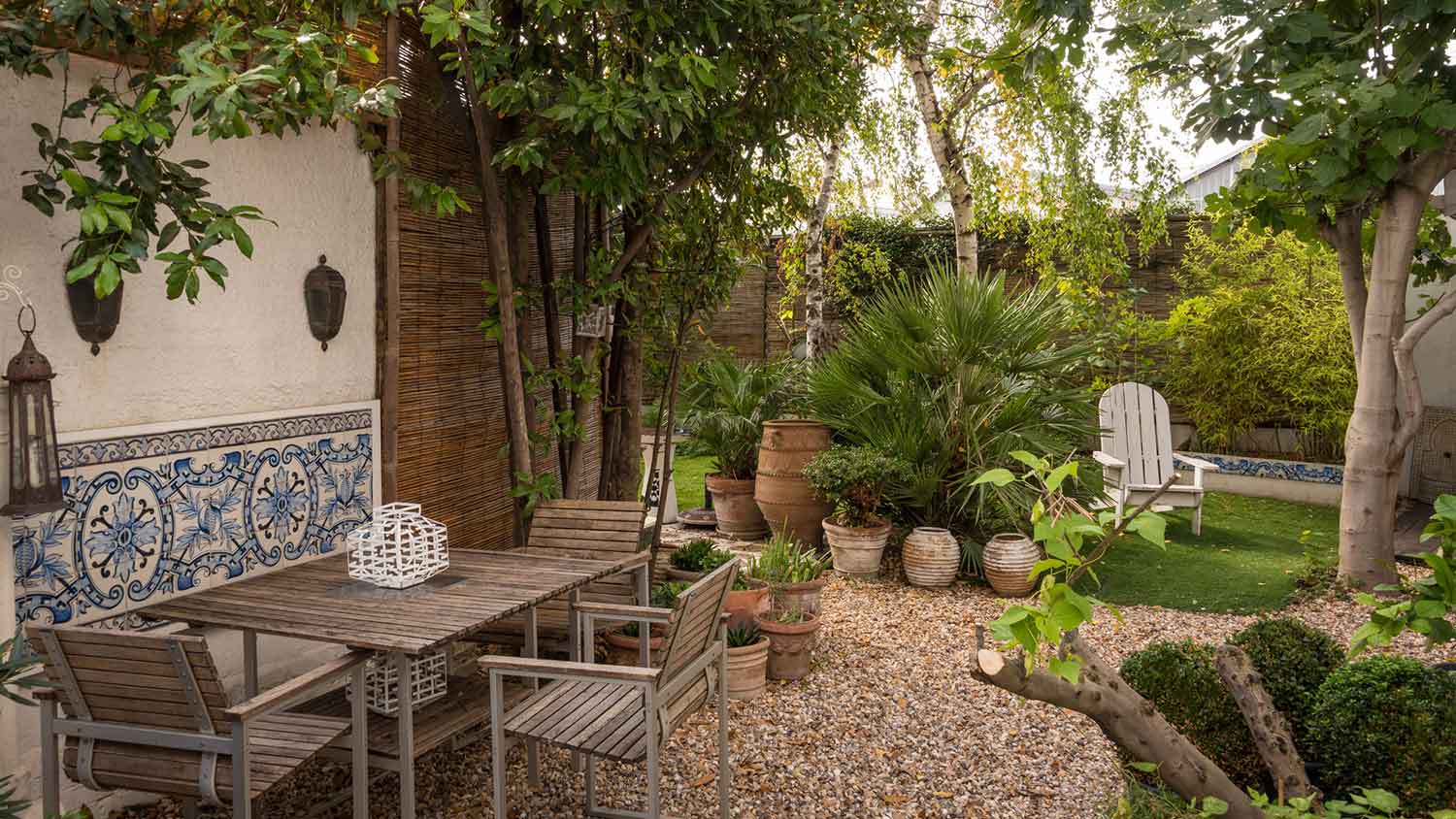
Looking to build an outdoor entertainment space? Use this patio cost guide to get an idea of how much your exterior project will come out to.
Patio service costs depend on your project and location. Check with a local pro for your specific job.

Patio repair costs range from $726 to $2,485 depending on your patio material and the extent of damage you need fixed.
Your patio material affects repair pricing, with asphalt and concrete costing less than pavers or natural stone to restore.
You should account for mudjacking to raise sunken sections or installing a drainage system to address underlying water issues.
Hiring a local concrete patio company ensures your repair addresses the root cause and prevents recurring damage to your outdoor space.
In 2026, the national average cost for patio repair is $1,599, based on 18,358 verified projects from Angi Pros. Most homeowners pay between $726 and $2,485, with the spread driven by patio material, the extent of damage, and whether underlying issues like drainage or sunken sections need to be addressed.
Your patio repair costs will depend on a few key factors, and considering all of them together gives you the most accurate estimate for your project. The type of material, the extent of damage, the size of the affected area, and your location all play a role in what you'll pay. Getting a professional assessment upfront helps ensure you're not caught off guard by costs you didn't anticipate.
The type of patio you have is the single most important cost factor, with repairs ranging from $5 per square foot for standard asphalt or concrete up to $30 per square foot for pavers. Asphalt and concrete are the most affordable because they require fewer replacement materials. Paver repairs sit at the higher end because damaged pavers often need to be fully replaced rather than patched.
The table below breaks down the average patio repair cost per square foot based on material:
| Patio Material | Repair Cost (Sq. Ft.) in 2026 |
|---|---|
| Asphalt | $5–$8 |
| Brick | $11–$14 |
| Concrete | $5–$20 |
| Natural stone | $14–$17 |
| Paver | $7–$30 |
| Stamped concrete | $6–$20 |
| Tile | $4–$20 |
The type of patio repair you need has a major impact on your total cost, ranging from under $100 to seal a hairline crack to $800 or more to mudjack a sunken concrete section. If your patio needs multiple types of repairs, a professional estimate is the best way to understand your full scope and total cost. The table below breaks down average patio repair costs based on type:
| Type of Repair | Cost (Sq. Ft.) in 2026 |
|---|---|
| Mudjacking | $3–$8 |
| Replacement | $5–$35 |
| Resealing | $1.35–$2.50 |
| Resurfacing | $3–$10 |
Most patio repair companies charge by the square foot, so the size of the damaged area directly shapes your total repair cost. Smaller areas of spalling or crumbling are far less expensive to address than large sections of sinking or deteriorating patio surface. The table below shows estimated patio repair costs at various area sizes to help you gauge what to expect:
| Damaged Area (Sq. Ft.) | Average Repair Cost in 2026 | Cost Range in 2026 |
|---|---|---|
| 10 | $100 | $80–300 |
| 20 | $200 | $80–$600 |
| 50 | $500 | $200–$1,500 |
| 100 | $1,000 | $400–$3,000 |
| 200 | $2,000 | $800–$6,000 |
The extent of your patio damage determines where your repair costs fall, from $80 to $400 for simple surface cleaning and crack sealing to as much as $14,000 for a full replacement driven by drainage failure or expansive soil. Surface-level repairs are the most straightforward and affordable option for homeowners dealing with minor deterioration. When instability runs deeper, a total replacement becomes necessary, and adding a drainage system can push the cost of a new patio even higher.
Your patio's location and accessibility can meaningfully affect repair costs, particularly for jobs that require heavy machinery. When a steep slope or dense tree line blocks equipment access, professionals may need to mix concrete by hand, which adds labor time and increases the total. Getting an on-site assessment before finalizing your budget helps account for any site-specific challenges that could affect pricing.
Labor accounts for 50%-90% of your patio repair costs, ranging from $350 to $2,250 for most jobs, with an average of $1,120. General concrete companies are the most affordable option, charging as little as $35 an hour. Professional masons handle more complex work and can charge up to $110 per hour, which is worth the investment when your repair involves intricate materials or structural issues.

A good way to figure out if you should repair or replace your patio is to consider the cost of each, as well as your patio's age.
First, get estimates from professionals for repairs and a full replacement. If the patio repair cost is more than 50% of the patio replacement cost, a full replacement of your patio is going to be a better value over time. In many cases, a replacement will be a better option if the repair involves mudjacking and resurfacing, while a repair is best if you're just dealing with surface cracks and some minor spalling.
Second, consider the age of your patio. A full replacement is going to provide more value if your patio is beyond half of its lifespan and requires major repairs. For a concrete patio with a standard lifespan of 30 years, consider replacing it if you need repairs after the 15-year mark.
Hiring a local patio repair pro costs more upfront, but you benefit from accurate assessment, proper repair techniques, and long-lasting results. Pros bring the right tools, materials, and experience to fix issues such as cracks, sinking pavers, uneven slabs, or drainage problems—helping prevent recurring damage and additional repair costs.
Repairing a patio involves addressing surface damage, foundation issues, and drainage conditions that affect long-term stability. Here are some of the top reasons to work with a pro:
Pros know how to identify the root cause of damage—whether it's settling soil, poor drainage, shifting pavers, or deteriorating concrete—ensuring the repair lasts.
They use the correct repair methods, such as leveling sunken areas, replacing broken pavers, resurfacing concrete, or improving drainage to prevent future problems.
Hiring a pro reduces the risk of causing further damage, such as cracking adjacent slabs or creating unstable areas that can lead to tripping hazards.
Many contractors can bundle services like sealing, staining, installing edging, or adding joint sand to restore your patio's appearance and structural integrity.
If you want to take on some tasks yourself, here are a few DIY steps that can help reduce time and labor costs:
Clear furniture, planters, and décor from the patio area before the contractor arrives to give them easy access to the repair site.
Clean the patio surface and remove debris to help the professional clearly assess cracks, sinking areas, or damaged pavers.
Document any changes you've noticed over time—such as pooling water, widening cracks, or uneven spots—to help the pro identify underlying issues quickly.
Patio repair costs can climb as high as $5,000, so you may want to consider the following tips to save money up front and over time.
Consider a replacement based on patio age: Replacing your patio will almost always be more expensive than repairing, but if the material has reached half of its lifespan, you could save on repeat repair costs down the road by splurging on a replacement instead.
Handle cosmetic repairs yourself: Surface cracks on concrete patios, single pavers that need replacement, and even heavy soiling and staining are all jobs you can DIY. If you have some time to spare, you could save most of the repair costs on labor.
Treat the underlying problem: Some severe problems, like a sinking patio or structural cracks, will only continue to return if you don't treat the underlying issue up front. You may spend more now on installing a drainage system around your patio, but it could pay for itself by allowing you to get the problem fixed once and for all.
Get multiple estimates: Finally, get at least three estimates from different patio repair companies to compare. Professionals all charge different rates, so shop around for the best value.
Share what material your patio is made of (concrete, pavers, brick, or stone) so the pro can bring the right tools and repair products.
Describe any issues you’ve noticed—such as cracks, sinking areas, loose pavers, or drainage problems—to help them determine the repair scope.
Ask whether you need to prep the area beforehand, like moving furniture, planters, or outdoor décor.
Confirm whether unexpected costs could arise from hidden problems like soil erosion, root damage, or underlying drainage issues.
If you're considering upgrades—such as sealing, re-leveling the entire surface, or adding edging—ask whether it’s efficient to tackle them during the repair.
Home is the most important place on earth, which is why Angi has helped more than 150 million homeowners transform their houses into homes they adore. To help homeowners with their next project, Angi provides readers with the most accurate cost data and upholds strict editorial standards. We’ve surveyed thousands of real Angi customers about their project costs to develop the pricing data you see, so you can make the best decisions for you and your home. We pair this data with research from reputable sources, including the U.S. Bureau of Labor Statistics, academic journals, market studies, and interviews with industry experts—all to ensure our prices reflect real-world projects.
Want to help us improve our cost data? Send us a recent project quote to [email protected]. Quotes and personal information will not be shared publicly.
Supreme Brick & Chimney did a great job with a cleaning and inspection of the fireplace! He was efficient, on time, and very pleasant. The space was kept very clean, and the fireplace was spotless when he was done. He also performed a thorough inspection, and did a great job talking us...
 Supreme brick & chimney
Koby & team weâ re great! Moved our two bedroom apartment in about 4 hours, and weâ re super friendly, quick, and careful with are things.
 All My Sons Moving & Storage
We had our houses windows and back door replace this summer by Window Depot USA of Central. He gave us grate advise and saved my family lots money. The team did a fantastic job with installation. If you need help, they sure get job done right!
 Window Depot USA of Central Ohio
Wonderful. I am going to have them remove and replace my driveway in the spring.
 All Star Paving and Sealing
We were having 2”x 2” tile installed . There was a small installation error and the new additional replacement tile was from a different lot and the colors didn’t match. Joe assured us that he would rectify everything , which he did without hesitation. We decided to go with the 18” x 36” tile...
 CarifaTile
Did an amazing job transforming my yard. Also installed sod in places, would recommend to everyone.
 Cardinal Landscaping & Construction LLC
Ed did a great job in installing stone to the outside of our house at a fair price
 Ochoa Stoneworks
All around they have done a really great job. <br /> I have used JL Landscapes for the past 8 years. I own and operate my own commercial/residential real estate company where we own, operate, and maintain our own properties. JL Landscapes has been our exclusive landscaper for both our...
 J.L. Landscapes
Outstanding experience! I needed my yard/garden/patio prepared for a party the coming weekend. I contacted Rick and he was able to schedule service that same week. He and his crew did a wonderful job removing the fall foliage, weeding, trimming back plants and hedges, even cleaning up the...
 Distinct Designs Residential Enhancements
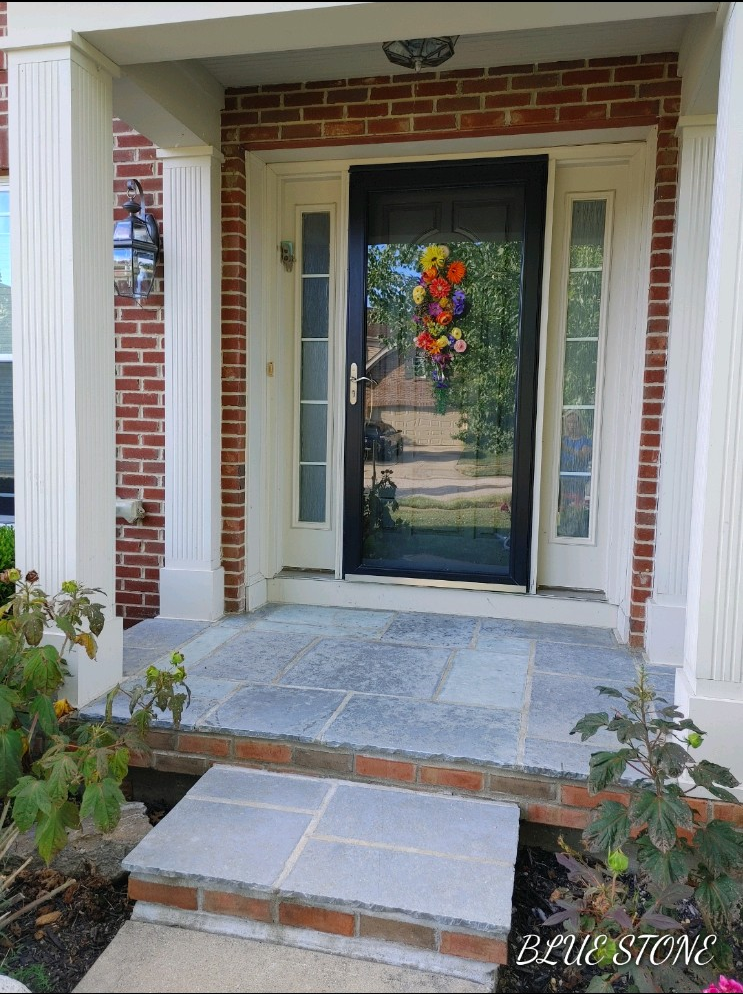
We first had Mark fix the back patio and liked his work so much we had him make a brick patio on the side of the house. When we decided to change our concrete walkway to brick, we wanted Mark to do the job because his prices were fair and he did such good work on t he other two projects.
 Mark Monnette Masonry
From average costs to expert advice, get all the answers you need to get your job done.
Looking to build an outdoor entertainment space? Use this patio cost guide to get an idea of how much your exterior project will come out to.
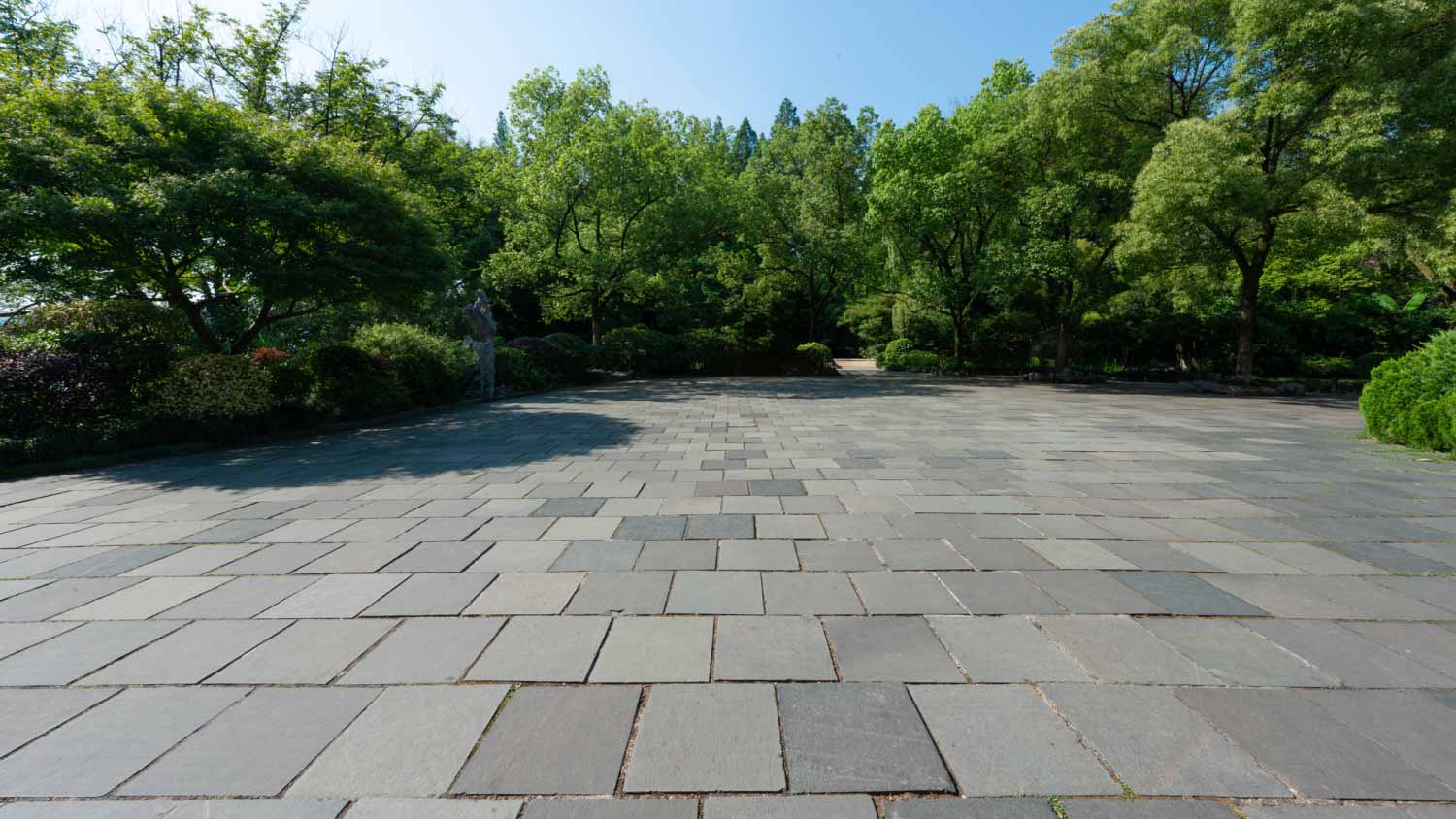
Bluestone patios can transform yards, increase home values, and extend your usable space. Learn about average bluestone patio costs to budget for the project.
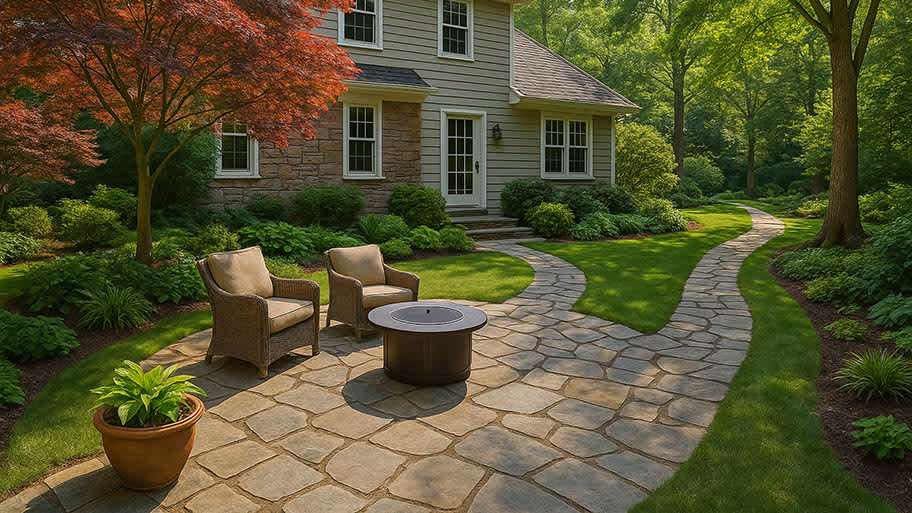
Flagstone patio costs vary by the size, material type, labor, and more. Stay tuned to see how much your flagstone patio could cost.
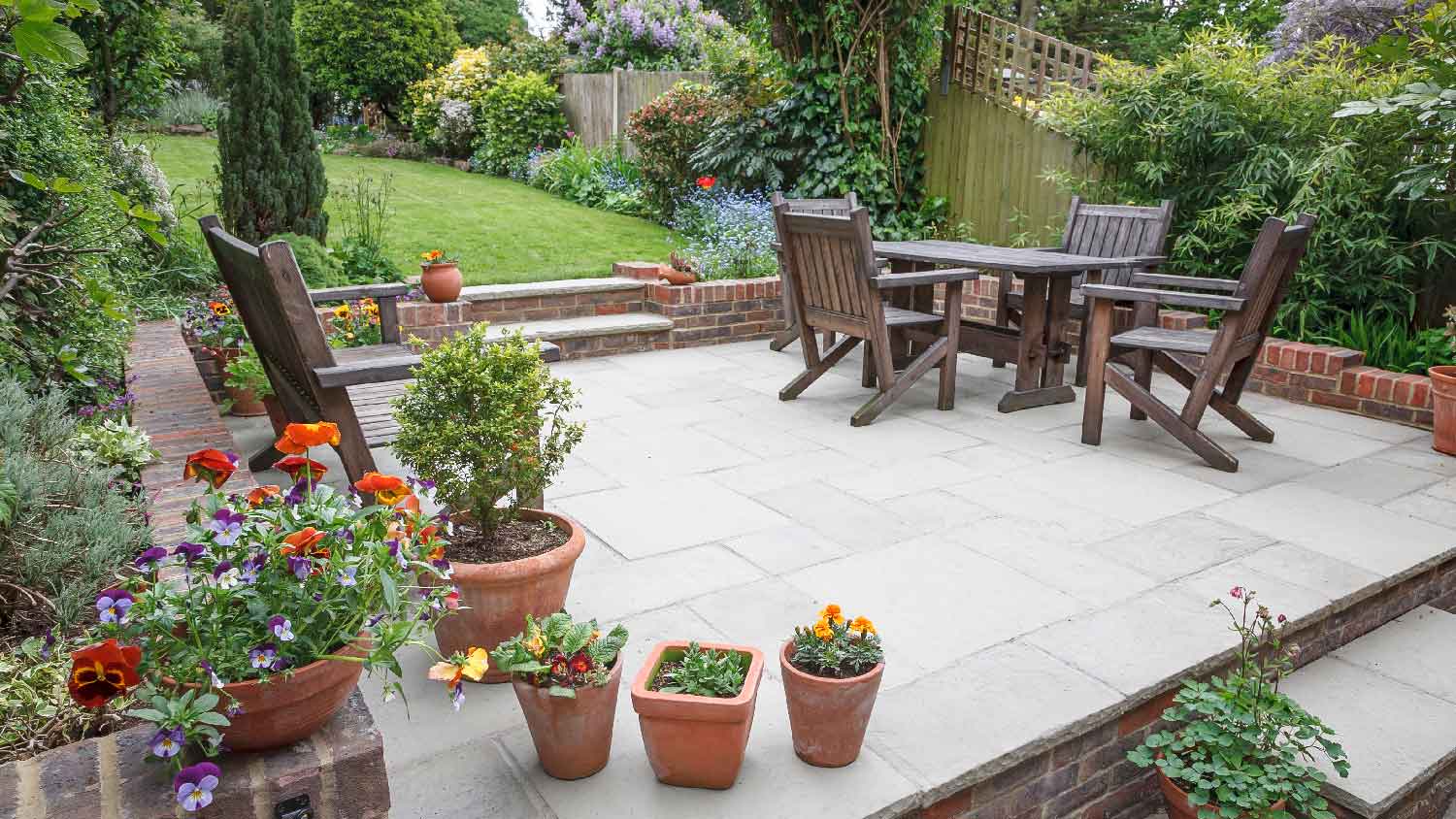
Noticing cracks or unevenness in your outdoor entertaining space? Learn whether it’s better to repair or replace a concrete patio to get a fix underway.
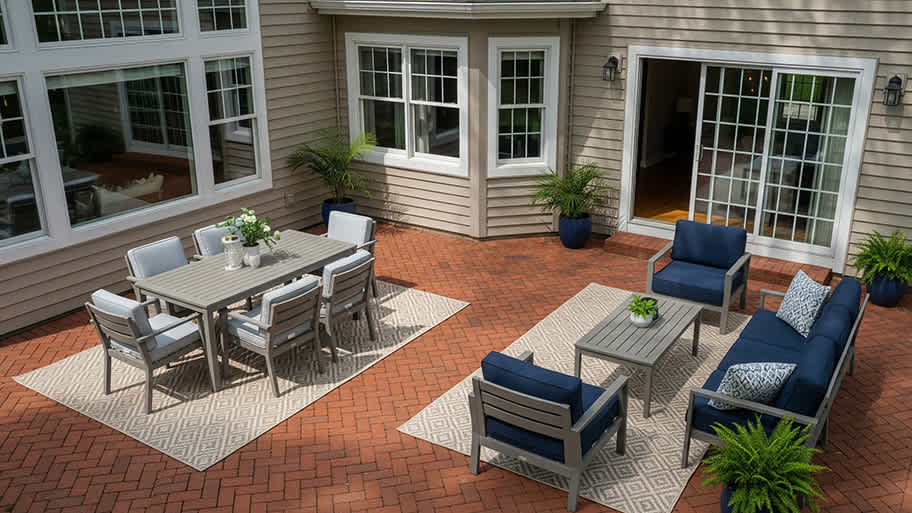
Here are the steps to repair your brick patio—whether you need to re-level a sinking patio or replace missing mortar.
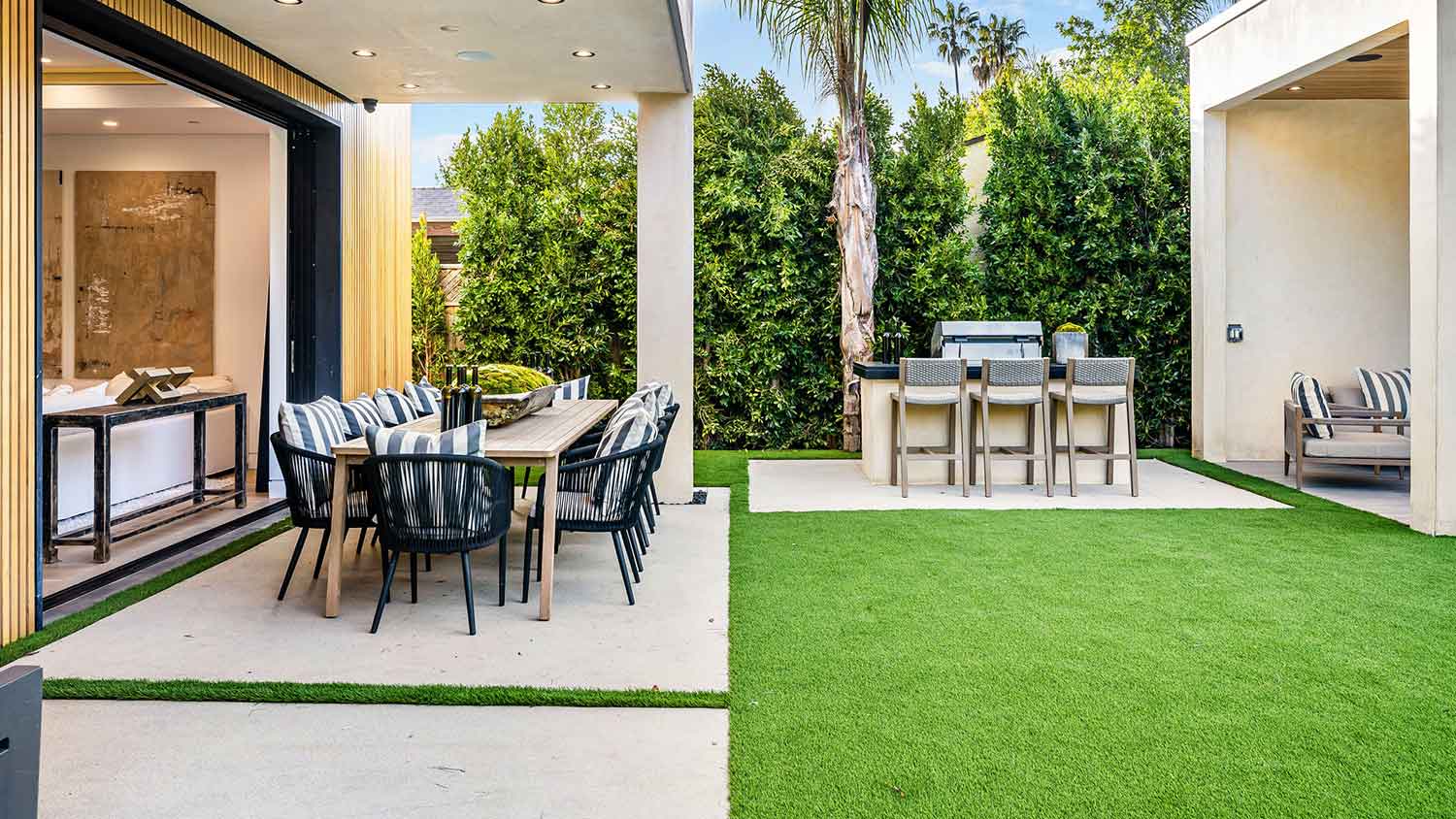
A concrete patio is an affordable addition for outdoor dining and entertaining, but cracks are unsightly. Learn the answer to the question, “Why is my concrete patio cracking?”