Top-rated concrete resurfacing pros.

Best concrete resurfacing pros near Loris, SC

Enter your zip and get matched with up to 5 pros

Need a pro for your concrete resurfacing project in Loris, SC?

Select your specific project to find the pro for you.

TRUSTED BY LORIS, SC HOMEOWNERS

  • Average homeowner rating star icon3.8
    Average homeowner rating
  • Verified reviews icon69
    Verified concrete resurfacing reviews

Top-Rated Concrete resurfacing pros in Loris - Updated Nov 2026

Sun Pro Enterprises, LLC
3.6(
5
)
Concrete Flatwork - Repair & ResurfaceConcrete Flatwork - Repair & Resurface- For Business

Serving Loris, SC and surrounding areas

Approved

Customers say: True professional

"I was very impressed. In fact, I'm going to be calling them back. He came up with some really great ideas to hide the some other things in my yard that I was very uncomfortable with and didn't like. My husband and I really liked his ideas so we decided we wanted to go ahead and go for it. He gave us a detailed estimate. My husband wanted to have it broken down even more and he was gracious enough to break it down even more. He actually had to come out a couple of times to work out the quote and even with him coming a couple of times to work out the quote, he was never frustrated and that's why I'm going to be sure to give him this business. He's a very fine gentleman. It's a very fine company. They never got frustrated with me."
16 neighbors recently requested a quote
Recommended by33%of homeowners
Showing 1-10 of 26
Concrete Resurfacing FAQs, answered by experts

Typically a few days, including preparation and curing time.

A layer of exposed aggregate concrete should be 1 to 2 inches thick if you’re installing it on top of existing concrete. If you’re pouring a new slab with the finish, slab thickness will depend on the application. Exposed aggregate concrete driveways should be 4 to 6 inches thick in most cases or 8 to 12 inches for commercial vehicles. Sidewalks, patios, and walkways should be 4 inches thick.

The best—and most popular—time of year to resurface a concrete driveway is the late spring. Concrete damage often peaks in the winter as the ground freezes and thaws. Waiting until late spring allows the ground to soften fully, so you don't run the risk of more damage from a sudden cold snap.

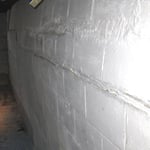
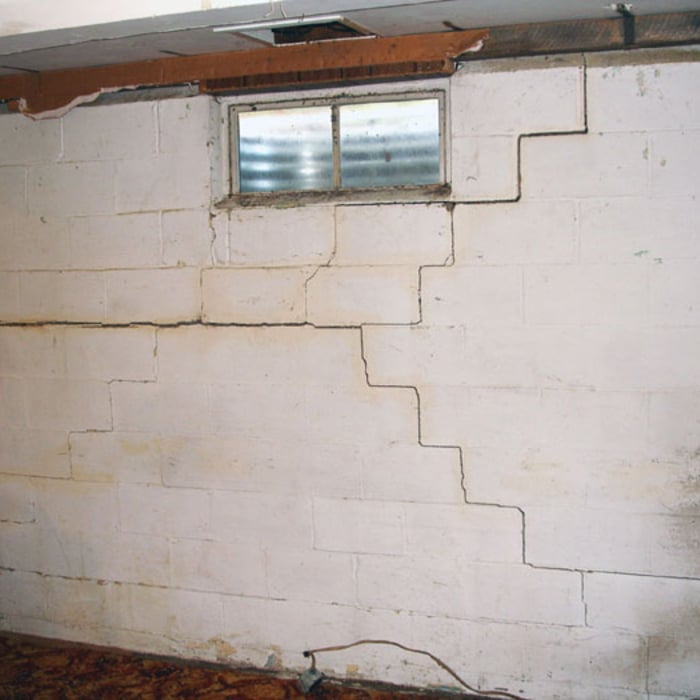
The best solution to fix a foundation crack in your basement floor depends on the underlying cause. If you just have hairline cracks from settlements that are no longer growing, the best option is to seal them with a crack sealant. If the cracks continue to grow, one edge rises above the other, or there are signs that water is getting in through the crack, a professional repair will be necessary. Depending on the root cause, your professional may employ foundation underpinning or some other type of stabilization, seal the cracks, or install a drainage system.

Yes, you can fill cracks in concrete if you’re a somewhat handy homeowner. It’s important to know which concrete patching method to use, as small cracks require different approaches than large ones. It might seem challenging to determine which product to use and the tools necessary for the project, but with a bit of background, homeowners can restore their cracked concrete easily.

The Loris, SC homeowners’ guide to concrete resurfacing

From average costs to expert advice, get all the answers you need to get your job done.