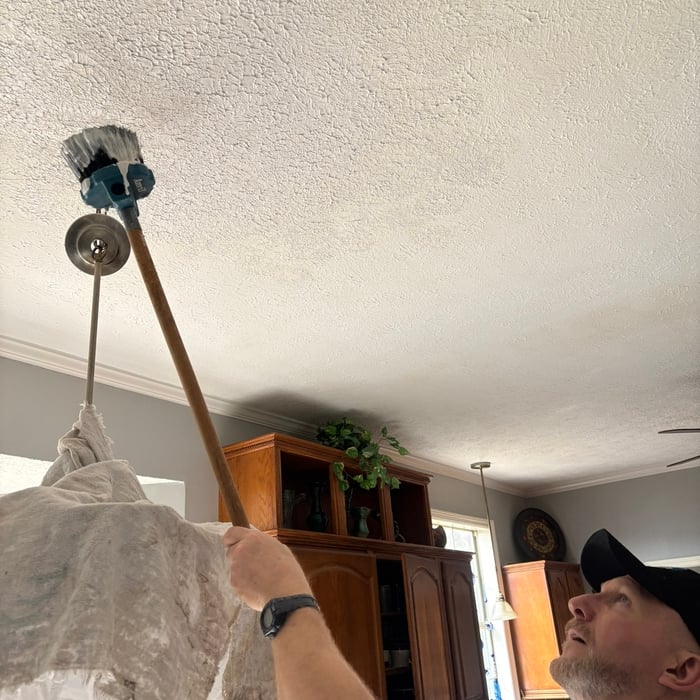



Top-rated drywall pros.

Get matched with top drywall pros in Castle Hayne, NC

Enter your zip and get matched with up to 5 pros

Need a pro for your drywall service project in Castle Hayne, NC?

Select your specific project to find the pro for you.

TRUSTED BY CASTLE HAYNE, NC HOMEOWNERS

  • Average homeowner rating star icon4.6
    Average homeowner rating
  • Verified reviews icon119
    Verified drywall services reviews

Find Drywall pros in Castle Hayne

Avatar for Local Handyman Pros LLC
Local Handyman Pros LLC
5.0(
9
)
Drywall - Repair

Serving Castle Hayne, NC and surrounding areas

Approved

In business since 2020

Free estimates

Small jobs welcome

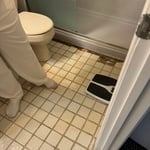
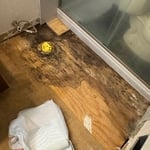
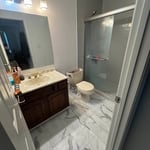
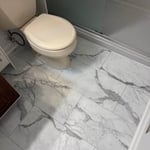
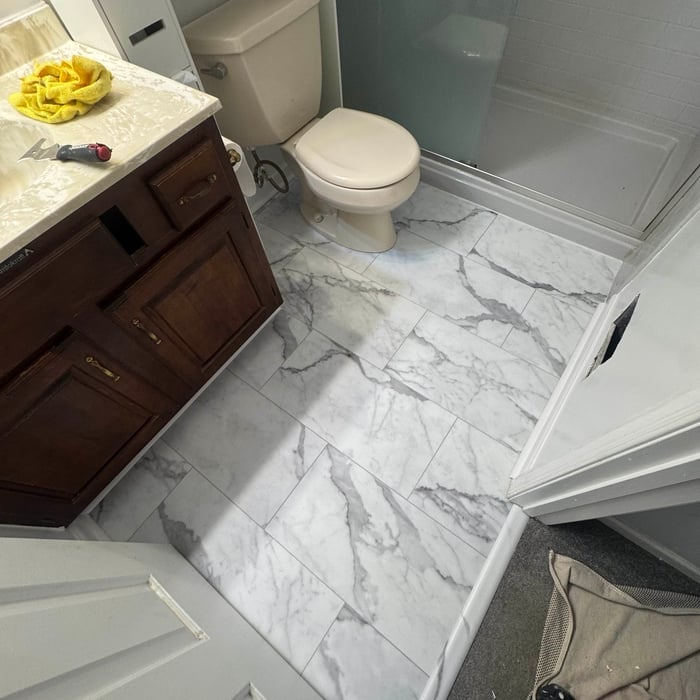
"Kevin with Local Handyman Pros recently remodeled my bathroom and I can’t recommend him enough. They replaced my vanity, toilet, lights, painted the walls, and did the flooring. I have used them for many projects over the years and have referred the company to others. From the start of the project, they were fast to respond, transparent, about pricing, and showed up on time. Best experience I have had with a service professional!"
Bathroom remodel
Bathroom remodel
Bathroom remodel
Bathroom remodel
Bathroom remodel

+4

29 neighbors recently requested a quote
Recommended by11%of homeowners
Avatar for Finishing Touch Painting Service
Finishing Touch Painting Service
4.7(
35
)
Drywall - RepairDrywall - Repair - For Business

Serving Castle Hayne, NC and surrounding areas

Approved

In business since 2020

Free estimates

Warranties offered

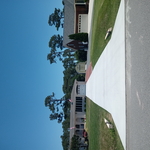
"We had family coming in 2 weeks after we signed on with Fresh Coat. They went above and beyond to make sure the project was done before family came in. We had 9 rooms popcorn ceilings removed, all of the trim painted, and every room in the house painted. We also had them stain our decks. We could not be happier. They did not hesitate to fix any small things we pointed out. (paint touch up, etc.) They have that as part of their service regardless, but they pointed out and fixed little spots we didn't even notice. The team was very professional and courteous. Overall 5 stars across the board."
Barn Exterior
Barm Exterior
Before picture
Landfall Project
Landfall Project

+21

Response time6 hrs
Response rate94%
Recommended by91%of homeowners
Avatar for Tom The Handyman LLC
Tom The Handyman LLC
5.0(
9
)
Drywall - Repair

Serving Castle Hayne, NC and surrounding areas

Approved

In business since 2025

Free estimates

Small jobs welcome

"I hired Tom to come to my house to put together a TV stand I ordered. Very professional, knowledgeable, punctual and personable. I am very happy with how the TV stand came together- looks great!"
Response time9 hrs
Response rate100%
5 neighbors recently requested a quote
...
Showing 1-10 of 221
Drywall questions, answered by experts

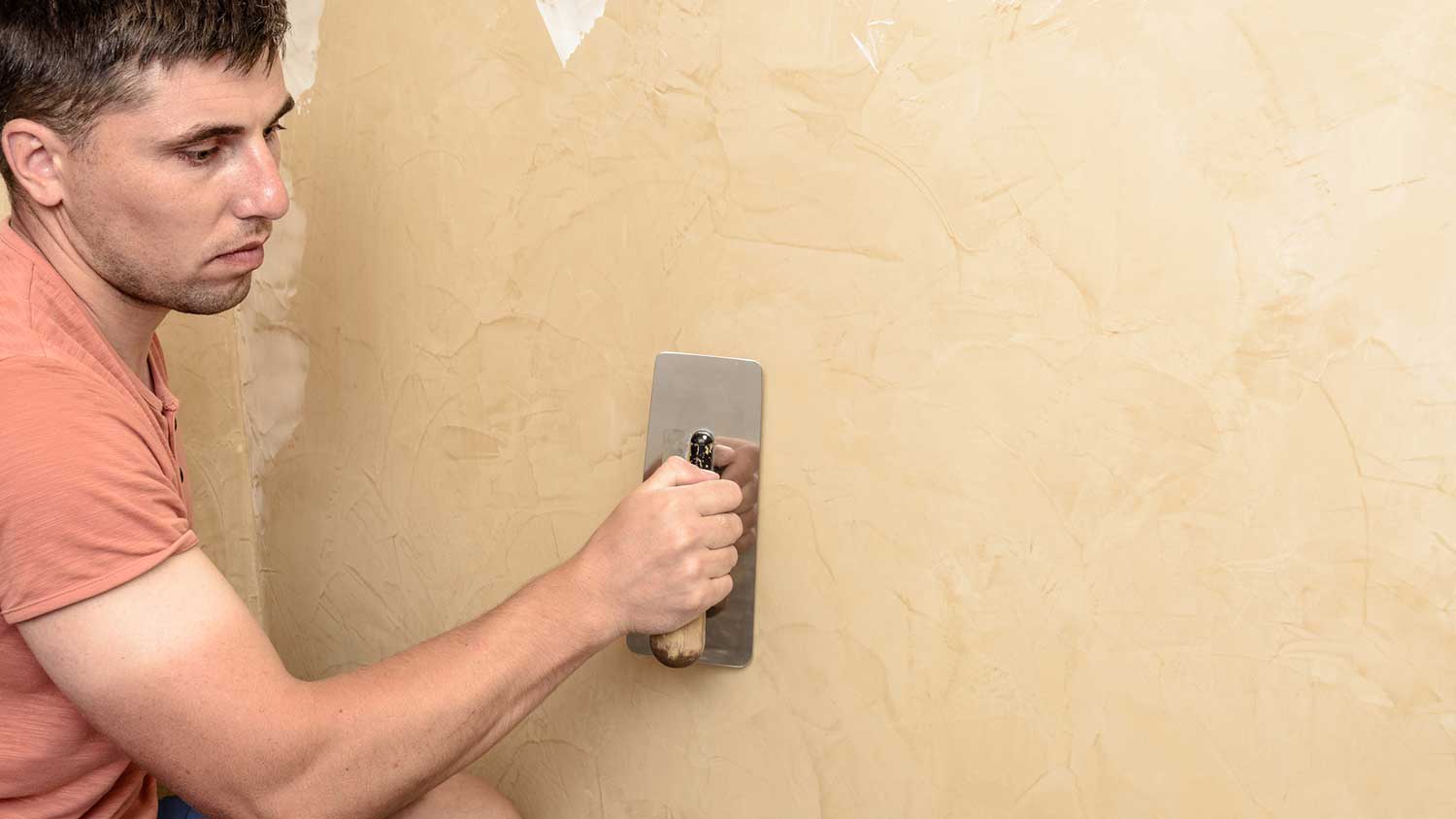
Venetian plaster is a highly durable wall finish that becomes a rock-like substance once dried, making it last longer than most other wall finishes. Its lifespan can range from decades to centuries, potentially lasting a lifetime. Key factors influencing its longevity include the quality of the initial application, whether it's properly sealed against moisture, and how the wall is maintained and treated (e.g., how often it is touched or bumped). Due to its mineral content, it can also develop a patina over time.

Both plaster and drywall are durable wall finishes, but they differ significantly in installation, cost, performance, and aesthetics.

Installation & Cost: Drywall installation is faster and more affordable, typically costing $1.50 to $3 per square foot. It uses premade sheets, making it a more accessible DIY project. Plastering is a labor-intensive craft that requires specialized skills, pushing costs to $2 to $10 per square foot. It involves applying a wet paste over a lath framework.

Durability & Performance: Plaster is generally more durable, longer-lasting, and provides superior soundproofing. It is also a better insulator, which can help reduce energy costs. Drywall is easier to remove for future renovations.

Aesthetics: Drywall provides a smooth, uniform surface ready for paint or texture. Plaster offers a high-end, naturally textured look that can hide imperfections and is often preferred for achieving a classic or historic aesthetic.

Which is better? The choice depends on your priorities. Drywall is ideal for those prioritizing a lower upfront cost, faster installation, and DIY potential. Plaster is the better option for a higher-end project where durability, soundproofing, and a unique, premium finish are more important than the initial cost.

When choosing materials for finishing basement walls, consider factors such as moisture resistance, durability, and fire resistance. Opt for materials specifically designed for basement environments, like moisture-resistant drywall or cement board. Insulation with vapor barriers can help regulate temperature and prevent condensation. Consider using mold-resistant paints or coatings. 
Research and consult with experts to select materials that are suitable for your specific basement conditions and intended use. Prioritize quality and compatibility to achieve long-lasting and aesthetically pleasing results.

Although they have similar applications, spackle and joint compound are not the same. Their primary differences lie in their composition, consistency, and ideal use cases.

Spackle is composed of gypsum and binding agents, making it thicker than joint compound. It dries quickly and is easy to sand, which makes it ideal for small wall repair projects like filling nail holes or patching minor damage.

Joint compound, also known as drywall mud, consists of limestone and gypsum. It is primarily used for large-scale projects, such as taping and finishing the seams on newly installed drywall. It tends to shrink more than spackle and can be more difficult to spread.

While both products can be used to fill small depressions and cracks, spackle cannot replace joint compound for taping and mudding new drywall. Conversely, you can often use joint compound for small patching jobs typically done with spackle.

Whether a drywall anchor can be reused depends on its material, type, and the method of removal. Plastic anchors, including expansion and self-drilling types, are generally designed for single use as they tend to break or deform upon removal. Metal anchors, such as toggle bolts, are more durable and may be reusable if they are not damaged during extraction. However, with toggle bolts, the toggle piece can fall into the wall cavity when the bolt is removed, making it difficult to retrieve. If an anchor is damaged during removal, for instance by having its head cut off, it cannot be reused regardless of the material.

The Castle Hayne, NC homeowners’ guide to drywall services

From average costs to expert advice, get all the answers you need to get your job done.