






Top-rated drywall pros.

Get matched with top drywall pros in Leland, NC

Enter your zip and get matched with up to 5 pros

Need a pro for your drywall service project in Leland, NC?

Select your specific project to find the pro for you.

TRUSTED BY LELAND, NC HOMEOWNERS

  • Average homeowner rating star icon4.7
    Average homeowner rating
  • Verified reviews icon144
    Verified drywall services reviews

Find Drywall pros in Leland

Avatar for G&G Drywall
G&G Drywall
4.7(
93
)

Serving Leland, NC and surrounding areas

Approved

In business since 1988

Free estimates

Emergency services offered

"I contacted G&G Drywall to give me an estimate on repairing the ceiling in my family room. He came out the next day to give me the estimate for doing the room. The price was reasonable, so I added the living room ceiling. They arrived at 8:00 a.m. and proceeded to move and cover everything. By 2:00 p.m. they were in the process of cleaning up. I have never seen a contractor get on his knees to vacuum up every bit of insulation and dust they could see. I am so so very pleased with the work performed by Guy Graham and his crew. Polite, professional and I would recommend them to anyone looking for drywall service. They are definitely a cut above the rest!"
Response time1 day
9 neighbors recently requested a quote
Recommended by97%of homeowners

Avatar for Local Handyman Pros LLC
Local Handyman Pros LLC
5.0(
9
)

Serving Leland, NC and surrounding areas

Approved

In business since 2020

Free estimates

Small jobs welcome

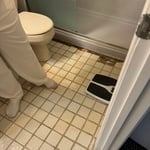
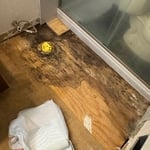
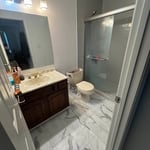
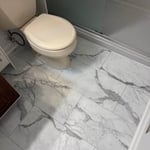
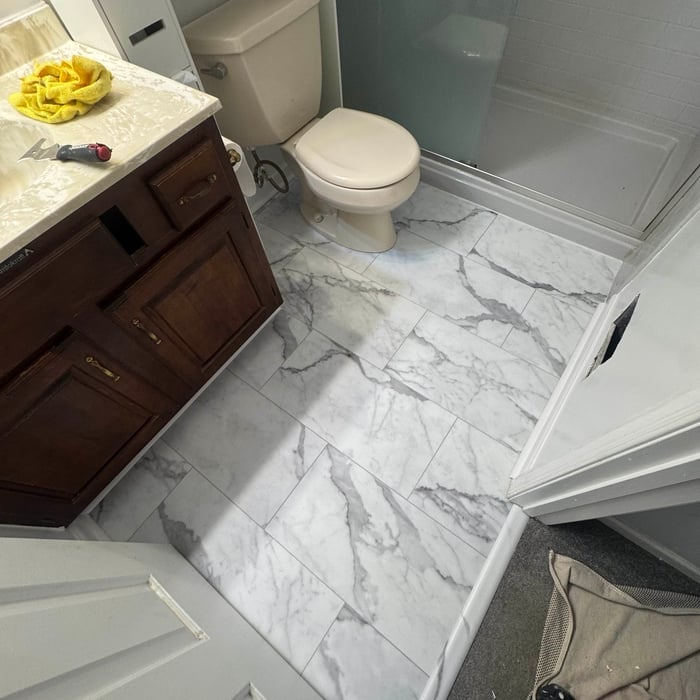
"Kevin with Local Handyman Pros recently remodeled my bathroom and I can’t recommend him enough. They replaced my vanity, toilet, lights, painted the walls, and did the flooring. I have used them for many projects over the years and have referred the company to others. From the start of the project, they were fast to respond, transparent, about pricing, and showed up on time. Best experience I have had with a service professional!"
Bathroom remodel
Bathroom remodel
Bathroom remodel
Bathroom remodel
Bathroom remodel

+4

27 neighbors recently requested a quote
Recommended by11%of homeowners
Avatar for Tom The Handyman LLC
Tom The Handyman LLC
5.0(
9
)

Serving Leland, NC and surrounding areas

Approved

In business since 2025

Free estimates

Small jobs welcome

"I hired Tom to come to my house to put together a TV stand I ordered. Very professional, knowledgeable, punctual and personable. I am very happy with how the TV stand came together- looks great!"
Response time9 hrs
Response rate95%
2 neighbors recently requested a quote
...
Showing 1-10 of 246
Drywall questions, answered by experts

Yes, small, superficial cracks are normal as homes settle. Older homes have a higher chance of showing signs of settling through hairline cracks from temperature changes, moisture changes, and soil shifting. However, larger cracks, or discolored cracks from water damage, may signify a bigger problem that requires reparations and preventative measures.

Costs depend on labor, material quality, wall preparation, and finishing requirements.

When choosing materials for finishing basement walls, consider factors such as moisture resistance, durability, and fire resistance. Opt for materials specifically designed for basement environments, like moisture-resistant drywall or cement board. Insulation with vapor barriers can help regulate temperature and prevent condensation. Consider using mold-resistant paints or coatings. 
Research and consult with experts to select materials that are suitable for your specific basement conditions and intended use. Prioritize quality and compatibility to achieve long-lasting and aesthetically pleasing results.

Although they have similar applications, spackle and joint compound are not the same. Their primary differences lie in their composition, consistency, and ideal use cases.

Spackle is composed of gypsum and binding agents, making it thicker than joint compound. It dries quickly and is easy to sand, which makes it ideal for small wall repair projects like filling nail holes or patching minor damage.

Joint compound, also known as drywall mud, consists of limestone and gypsum. It is primarily used for large-scale projects, such as taping and finishing the seams on newly installed drywall. It tends to shrink more than spackle and can be more difficult to spread.

While both products can be used to fill small depressions and cracks, spackle cannot replace joint compound for taping and mudding new drywall. Conversely, you can often use joint compound for small patching jobs typically done with spackle.

While fumigation chemicals cannot pass through solid objects, they will seep into any openings in walls, doors, or other closed spaces. This allows them to get into tight places where pests may be hiding and causing damage, like termites ruining the foundation of your home. It also means that your home needs to ventilate for 48 hours before returning to ensure that no harmful chemicals remain in your space. 

The Leland, NC homeowners’ guide to drywall services

From average costs to expert advice, get all the answers you need to get your job done.