



Top-rated drywall pros.

Get matched with top drywall pros in Belville, NC

Enter your zip and get matched with up to 5 pros

Need a pro for your drywall service project in Belville, NC?

Select your specific project to find the pro for you.

TRUSTED BY BELVILLE, NC HOMEOWNERS

  • Average homeowner rating star icon4.7
    Average homeowner rating
  • Verified reviews icon145
    Verified drywall services reviews

Find Drywall pros in Belville

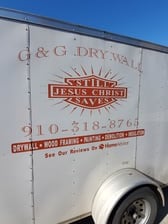
Avatar for G&G Drywall
G&G Drywall
4.7(
93
)
Drywall - RepairDrywall - InstallDrywall - Install - For Business+1 more

Serving Belville, NC and surrounding areas

Approved

In business since 1988

Free estimates

Emergency services offered

"Superb! I am so impressed to see well manner, intelligent and God spirit in this team of men who works very hard and take pride in their work, and tranformed my mother home. I mean they put their skills to worked as soon as the clock started so did they. These men are a great team together also they are on time to worked, and they show what they can do to a home from top to bottom. I will chose these great worker everytime. The Supervisor of these great guys is an intelligent and down to earth man. G&G makes you feel great comfortable in your sprit, and I see why his workers are the same way. They are well experience and work smarter and know their stuff. Listen, if you ever need a want job done right the first time call G&G Drywall. You will be like me and my mother very pleased in these guys work. Thanks, a million, and there is not enough money in the world for what my mother home looked like now after the transformation. G&G Drywall is your team to call."
Response time1 day
5 neighbors recently requested a quote
Recommended by97%of homeowners
Avatar for Local Handyman Pros LLC
Local Handyman Pros LLC
5.0(
9
)
Drywall - Repair

Serving Belville, NC and surrounding areas

Approved

In business since 2020

Free estimates

Small jobs welcome

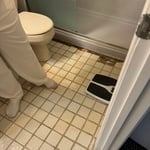
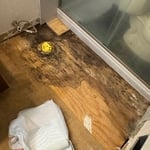
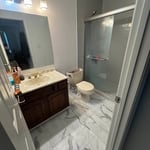
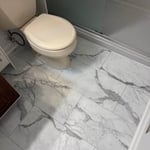
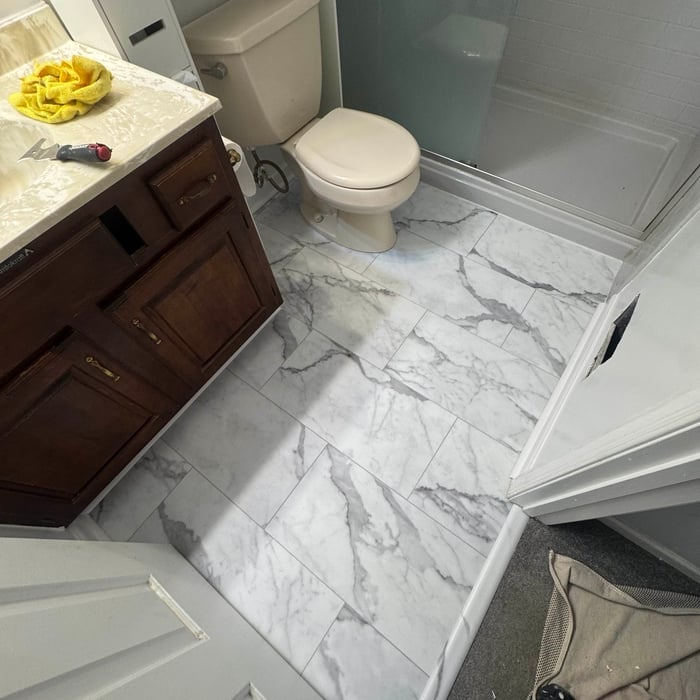
"Kevin with Local Handyman Pros recently remodeled my bathroom and I can’t recommend him enough. They replaced my vanity, toilet, lights, painted the walls, and did the flooring. I have used them for many projects over the years and have referred the company to others. From the start of the project, they were fast to respond, transparent, about pricing, and showed up on time. Best experience I have had with a service professional!"
Bathroom remodel
Bathroom remodel
Bathroom remodel
Bathroom remodel
Bathroom remodel

+4

21 neighbors recently requested a quote
Recommended by11%of homeowners
...
Showing 1-10 of 248
Drywall questions, answered by experts

Although they have similar applications, spackle and joint compound are not the same. Their primary differences lie in their composition, consistency, and ideal use cases.

Spackle is composed of gypsum and binding agents, making it thicker than joint compound. It dries quickly and is easy to sand, which makes it ideal for small wall repair projects like filling nail holes or patching minor damage.

Joint compound, also known as drywall mud, consists of limestone and gypsum. It is primarily used for large-scale projects, such as taping and finishing the seams on newly installed drywall. It tends to shrink more than spackle and can be more difficult to spread.

While both products can be used to fill small depressions and cracks, spackle cannot replace joint compound for taping and mudding new drywall. Conversely, you can often use joint compound for small patching jobs typically done with spackle.

A post-drywall inspection could uncover many problems that weren’t present during the pre-drywall inspection, including insufficient insulation, missing weather stripping, improperly installed plumbing and lighting fixtures, flooring damage, drywall damage, plumbing leaks, aesthetic issues, and more. Structural problems, which are often expensive to fix and are common reasons to walk away after a home inspection, are easier to see before the drywall goes up, but a post-drywall inspection may highlight minor issues with house settling and foundation problems.

The best way to make long, straight cuts is to use a utility knife and a T-square to score the sheet, snap along the score, and then finish the cut by cutting through the paper on the opposite side with the utility knife. If you’re making small cuts, curved cuts, or cutouts for electrical boxes or light fixtures, you can use a manual jab saw to keep costs down, but an electric spiral saw or oscillating multi-tool will get the cleanest, fastest cuts possible.

If you only have tiny holes in your drywall (for example, dents or nail marks), you probably won’t need a patch kit. Instead, you can plug the hole with a small amount of spackle. Once the spackle dries, you can sand the area and paint over it—just like you would in the steps outlined above.

Yes, you can use drywall repair techniques for some types of plaster damage. Tiny holes and small cracks in plaster can be patched in similar ways to drywall. You apply the necessary compound to fill the hole, wait for it to dry, then sand it down. For larger damage, like water damage or mold, you need to use plaster-specific techniques and materials.

The Belville, NC homeowners’ guide to drywall services

From average costs to expert advice, get all the answers you need to get your job done.