








Top-rated electricians.

Best electricians near Biscoe, NC

Enter your zip and get matched with up to 5 pros

Need a pro for your electrical service project in Biscoe, NC?

Select your specific project to find the pro for you.

TRUSTED BY BISCOE, NC HOMEOWNERS

  • Average homeowner rating star icon4.4
    Average homeowner rating
  • Verified reviews icon32
    Verified electrical services reviews

Top-Rated Electricians in Biscoe - Updated Nov 2026

Avatar for W B Lightning Rods
W B Lightning Rods
4.6(
372
)
Lightning Protection - Install or Repair

Serving Biscoe, NC and surrounding areas

Approved

In business since 2001

Free estimates

Warranties offered

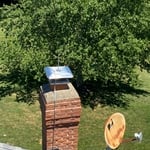
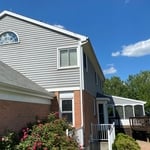
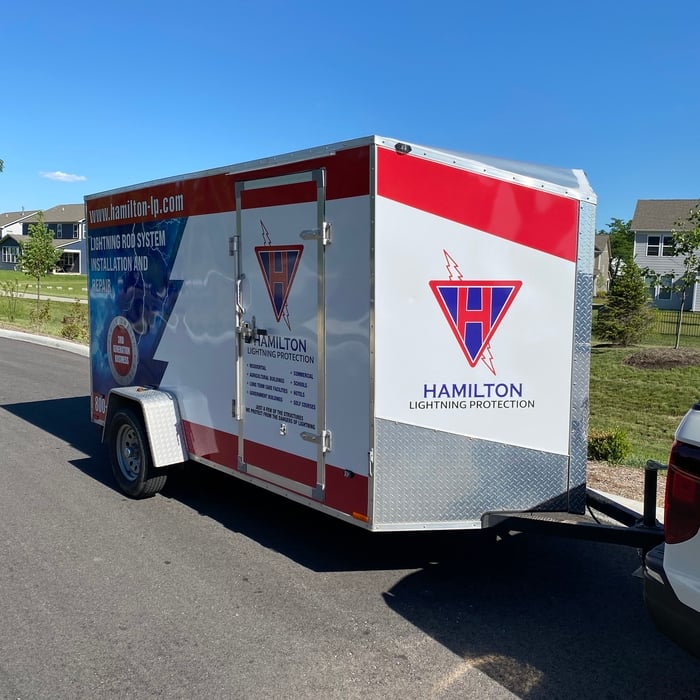
"William and staff responded promptly to my request for service with reasonable pricing. They arrived at the house at the agreed upon time, were respectful of my property, explained the process and completed the work within the specified time frame. They were pleasant, easy to work with and installed a quality lightning rods system. I highly recommend them."
lightning protection
 Residential LPS
lightning protection
 Residential LPS
lightning protection

+79

Response time1 day
112 neighbors recently requested a quote
Recommended by96%of homeowners
Avatar for Field services LLC
Field services LLC
5.0(
3
)
Appliance (Major Electric Appliance) - Install or Replace

Serving Biscoe, NC and surrounding areas

Approved

Small jobs welcome

Offers commercial services

Transform your home or business with expert craftsmanship and exceptional service. We specialize in high-quality handyman and construction solutions, including renovations, custom carpentry, painting, flooring, drywall, repairs, and complete remodeling. Every project is completed with precision, attention to detail, and a commitment to excellence. When you choose us, you’re investing in reliable professionals who deliver lasting results, clear communication, and superior workmanship from start to finish.

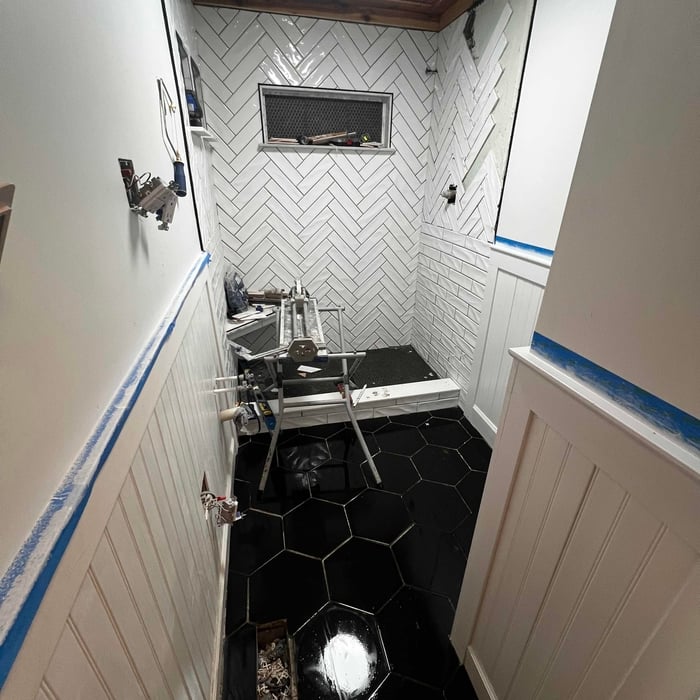
Bathroom remodel
Bathroom remodel
Bathroom remodel
Bathroom remodel
Bathroom remodel

+14

39 neighbors recently requested a quote
...
Showing 1-10 of 123
Electrical FAQs, answered by experts

Grounding is an essential part of installing an electric fence. Without grounding, the electrical circuit will be incomplete. That means the fence won’t work and will fail at delivering shocks upon impact. Even grounding the fence improperly can cause faulty shocks, if any. To ground the fence, you will need to use ground rods, ideally made from copper or galvanized metal, that are at least 4 feet high, for best results.

The purpose of pigtail wiring is to connect multiple wires to a single terminal on a device. Pigtailing involves splicing a short length of wire, called a pigtail, into the multiple wires that need to be connected. The pigtail wire is then connected to the single terminal on the device, allowing all of the wires to be connected at once. This practice helps to simplify the wiring process, reduce clutter, and ensure a secure and reliable electrical connection.

When converting a standard 120-volt outlet to a 240-volt outlet, the only components you can typically reuse are the existing electrical box and the hole in the wall. Everything else—including the wiring, breaker, and receptacle—should be replaced to ensure both safety and efficiency. Appliances designed for 240 volts have different plug configurations that won’t fit into a standard 120-volt outlet, making it necessary to install a compatible 240-volt receptacle. This design helps prevent overloading or underloading the power available to any one outlet or circuit.

A piggyback circuit breaker, also known as a tandem or double-stuff breaker, combines two separate circuits into a single slot in a breaker panel. This design allows adding more circuits without a larger panel, making it a space-saving solution. Each breaker in the piggyback unit operates independently, protecting two circuits in one standard breaker slot. This is especially useful in older panels with limited space for additional breakers.

The key difference between a circuit breaker versus a surge protector is that circuit breakers shield your entire electrical system from overcurrents and faults, while surge protectors defend your electronic devices against voltage surges and spikes. A circuit breaker interrupts the flow of electricity in a circuit when it detects an overload or short circuit, protecting the wiring from damage and preventing fires. In contrast, a surge protector shields electronic devices from voltage spikes, such as those caused by lightning strikes or power surges, preventing damage to the device’s inner mechanics.

The Biscoe, NC homeowners’ guide to electrical services

From average costs to expert advice, get all the answers you need to get your job done.