






Top-rated electricians.

Get matched with top electricians in Jackson Springs, NC

Enter your zip and get matched with up to 5 pros

Need a pro for your electrical service project in Jackson Springs, NC?

Select your specific project to find the pro for you.

TRUSTED BY JACKSON SPRINGS, NC HOMEOWNERS

  • Average homeowner rating star icon4.7
    Average homeowner rating
  • Verified reviews icon163
    Verified electrical services reviews

Find Electricians in Jackson Springs

Avatar for CGA Electric LLC
CGA Electric LLC
4.9(
15
)
Ceiling Fan - InstallCeiling Fan - RepairElectric Vehicle Charging Station Installation - For Business - Materials Not Provided+24 more

Serving Jackson Springs, NC and surrounding areas

Approved

In business since 2022

Free estimates

Emergency services offered

"I hired CGA electric to perform some electrical work in my home as a part of a kitchen remodel. Their job was to remove six power outlets and their associated junction boxes from my kitchen walls and rewire the kitchen to provide power to the lower kitchen cabinets so that the removed power outlets could be replaced by under-cabinet power strips. Replacing two circuit breakers was also included. CGA Electric did an excellent job, and, importantly, did not leave behind any damage to the premises. I'd highly recommend them to others and will certainly keep them in mind for any future electrical work."
Electrical panel Re-installed brand new same day
Tree Fell on outdoor electrical service
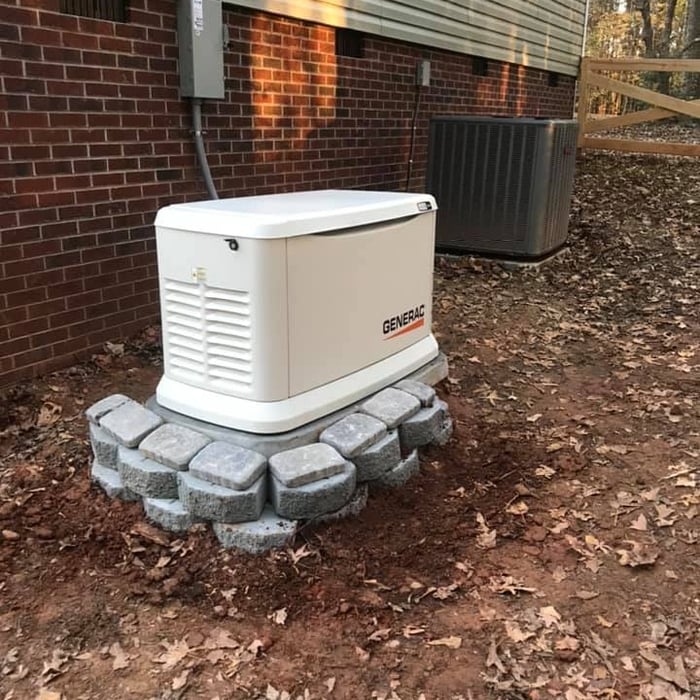
New Generator install
Sevice Changed out
Response time11 hrs
Recommended by91%of homeowners
Avatar for W B Lightning Rods
W B Lightning Rods
4.6(
372
)
Lightning Protection - Install or Repair

Serving Jackson Springs, NC and surrounding areas

Approved

In business since 2001

Free estimates

Warranties offered

"We have been hit twice by lightning by God's grace either one hit our home however the last strike burnt art motorhome to the ground William was hired to install lightning protection lightning rods on our home and two out buildings he took the time to explain to us everything we needed to know answering every question professionally conducted himself in the utmost professional manner I would highly recommend lightning rods and even more highly recommended hiring William to do the job we are going to do an expansion later on and he will be the one and only contractor I will call to continue our lightning protection"
lightning protection
 Residential LPS
lightning protection
 Residential LPS
lightning protection

+79

Response time1 day
181 neighbors recently requested a quote

Recommended by96%of homeowners
...
Showing 1-10 of 130
Electrical questions, answered by experts

Type S or T fuses don’t require any special removal or installation tools. However, replacing a cartridge-style fuse is easier and safer when using a fuse-puller tool. All of these tools should be available anywhere you can buy fuses.

Many wire nuts can accommodate three wires of various gauges; you should check the packaging of the nut to confirm you are buying the correct size. In addition, there are screw terminals that accommodate various numbers of wires; these might also be called “terminal blocks,” and exist to connect multiple wires. 


If the electrical wires you’re working with are too short, one of the easiest ways to elongate it is to extend them with a push-in connector. These user-friendly tools help you splice two wires together with little fuss or the need for extra tools, like a crimping tool, which is an older way of extending wires. As long as you can stripe the ends of a wire, using a push-in connector shouldn’t be an issue.

With AC wiring, which is the kind most likely you’ll find at home, the black wire is “hot,” and the white is “neutral.” The bare or green wire is considered the safety ground wire. If you encounter DC wiring, it’s relatively easy to tell positive or negative wires apart. red wires are used to indicate positive voltage and black wires indicate negative voltage.

Choosing between 12- or 14-gauge wire for your house depends on the electrical requirements of the circuit. A 12-gauge wire is thicker and can handle more power, making it better suited for devices such as kitchen appliances, air conditioning units, or electric heaters.

A 14-gauge wire is thinner and can handle less electrical current than a 12-gauge wire. It's ideal for circuits with lower power requirements, such as lighting or general-purpose outlets in bedrooms or living rooms.

The Jackson Springs, NC homeowners’ guide to electrical services

From average costs to expert advice, get all the answers you need to get your job done.