


Top-rated excavation pros.

Get matched with top excavation pros in Goldston, NC

Enter your zip and get matched with up to 5 pros

Need a pro for your excavation project in Goldston, NC?

Select your specific project to find the pro for you.

TRUSTED BY GOLDSTON, NC HOMEOWNERS

  • Average homeowner rating star icon4.3
    Average homeowner rating
  • Verified reviews icon19
    Verified excavation services reviews

Find Excavation pros in Goldston

Avatar for H&C Excavating
H&C Excavating
5.0(
2
)
Building Site - Preparation and ClearingExcavation - Major Grading or Resloping

Serving Goldston, NC and surrounding areas

Approved

In business since 2020

Free estimates

Offers commercial services

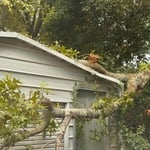
"Matt came and gave me what I thought was a very fair price to remove a huge oak tree that hanging over my house. 80-100 feet tall. Came on Tuesday and sent crew on Thursday. Very quick and careful work. I was super impressed with the job they did. Clean up was awesome. Would definitely hire them again or recommend them."
12 neighbors recently requested a quote
Recommended by100%of homeowners
Avatar for C&M Land Management of Asheboro, NC
C&M Land Management of Asheboro, NC
5.0(
3
)
Building Site - Preparation and ClearingLandscape - Minor Grading or Resloping

Serving Goldston, NC and surrounding areas

Approved

In business since 2025

Free estimates

Offers commercial services

"I highly recommend this company for anyone needing tree work done. They did an excellent job cutting my trees and were professional, hardworking, and respectful throughout the entire process. They worked efficiently, cleaned up everything when they were finished, and left my property looking great. The quality of their work was outstanding, and I’m very happy with the results. I would definitely use them again!"
Logo
Stump grinding
Stump grinding
Culvert install/ grading

+11

3 neighbors recently requested a quote
...
Showing 1-10 of 117
Excavating questions, answered by experts

Professional installers often include a deep layer of crushed gravel under permeable pavers to allow more runoff to soak through into the soil below. Many installations will include multiple layers of gravel, with coarser aggregate at the base and finer aggregate that sits on top of that bottom layer. Above the gravel, you’ll often find coarse sand that helps reduce paver shifting over time. Some permeable paver designs include a water collection system set into the gravel layer to route runoff to a safe area for disposal.

The average cost for pool excavation is $2,500. This cost can range from $450 to $4,500, depending on the pool shape and size, time of year, and any need to move buried utilities. 

When excavating for your pool, you might have to move existing utilities. You can expect to pay an additional $15 to $25 per linear foot to move gas lines. To move a septic system, it’ll cost an additional $2,000 to $20,000. A pool that is 10 feet by 12 feet averages $450 to excavate, and a 20-foot-by-40-foot pool averages $3,020.

If you have a broken sprinkler pipe underground, there will be some signs you can easily spot to locate it and take action. These include leaks, water spouts, flooding, consistently damp areas on your lawn, low water pressure, and grass around the sprinkler head that’s taller and darker than anywhere else in the yard. 

If there are no obvious signs of a broken pipe, you can use tools such as water leak mics, leak noise loggers, audio devices that record leaks, and acoustic testing links. 

Broken pipes can lead to uneven watering, plant damage, and higher utility bills. The longer you wait to fix them the more the repair cost may be.

The best type of soil to build on is a mixture of sand and clay, known as loam soil. Loam soil has the best combination of these soil types to build a foundation on. The clay particles help with water retention, so it won’t erode like sandy soil might, and the sandy particles help with drainage, so you won’t see unsafe soil expansion or have an increased risk of leaks from water sitting against your foundation.

You can bury underground electrical wire six inches deep—but only if you use a rigid metal electrical conduit. For rigid, non-metallic conduits, bury the wire at least 12 inches deep. If using an underground feeder cable rated for direct burial, you'll need to place it at least 18 inches deep, as it has no conduit for extra protection.

The Goldston, NC homeowners’ guide to excavation services

From average costs to expert advice, get all the answers you need to get your job done.