



Top-rated excavation pros.

Get matched with top excavation pros in Seven Lakes, NC

Enter your zip and get matched with up to 5 pros

Need a pro for your excavation project in Seven Lakes, NC?

Select your specific project to find the pro for you.

TRUSTED BY SEVEN LAKES, NC HOMEOWNERS

  • Average homeowner rating star icon4.3
    Average homeowner rating
  • Verified reviews icon21
    Verified excavation services reviews

Find Excavation pros in Seven Lakes

M&D Property Solutions
4.5(
23
)
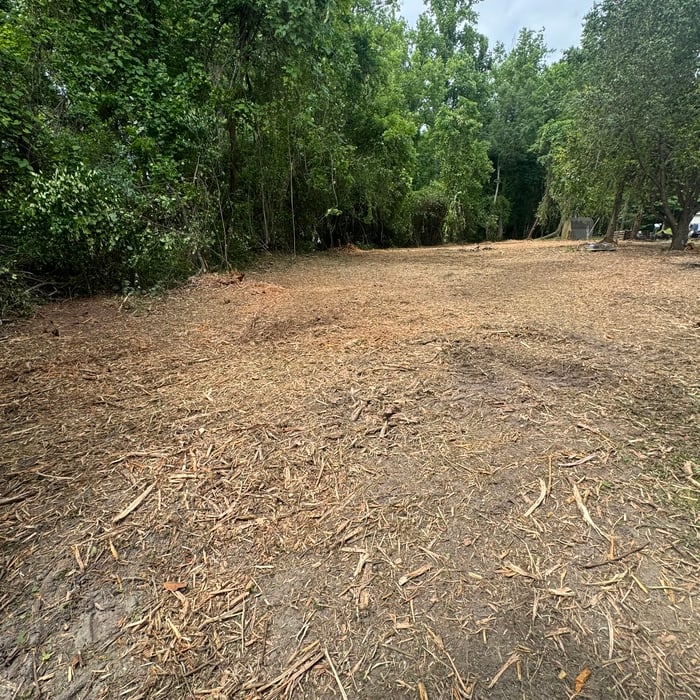
Building Site - Preparation and ClearingBuilding Site - Preparation and Clearing - For BusinessLandscape - Minor Grading or Resloping

Serving Seven Lakes, NC and surrounding areas

Approved

In business since 2017

Emergency services offered

Warranties offered

"It has worked out so well for me and my family. And yeah, please do it all day. Please let me know if I can help. Please let me know when I get home, and I will be home in the next few days. Please let me know when I can get you. Please let me know when I get back. Please let me know if I need anything else. Please let me know if I can get you a text or text me or text or call me when I can."
Master bedroom
Master bedroom
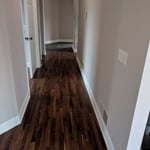
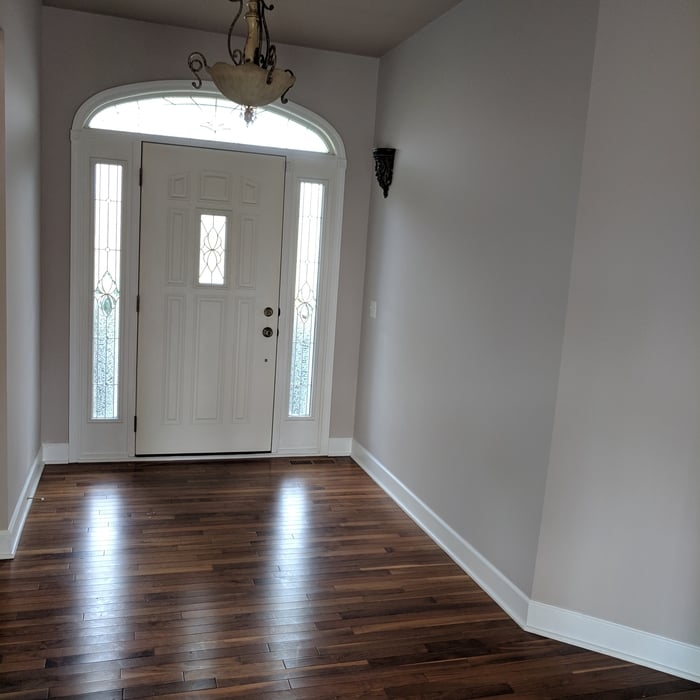
Front hall
Living area
Entry

+10

Response time1 day
Recommended by100%of homeowners
Conway Tree Service
4.9(
82
)
Excavation - Major Grading or Resloping

Serving Seven Lakes, NC and surrounding areas

Approved

In business since 2021

Free estimates

Emergency services offered

"Can only say good about the work Gregg Conway did for me removing trees; leveling property and creating a driveway with Crush and Run. I am very pleased and have already recommended them for a significant tree removal. Amazing Work. Looking forward to future projects."
Response time2 days
Response rate95%
22 neighbors recently requested a quote
Avatar for Overbay Construction, LLC
Overbay Construction, LLC
5.0(
7
)
Building Site - Preparation and ClearingExcavation - Major Grading or ReslopingLandscape - Minor Grading or Resloping

Serving Seven Lakes, NC and surrounding areas

Approved

In business since 2022

Free estimates

Warranties offered

"Matt was exceptional regarding our project . I found him to knowledgeable, understanding and creative in his approach. He always made time for our concerns and helped us with solutions. My neighbors even commented on what good job he was doing .. I highly recommend Matt."
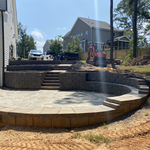
Apex, Wall and Flagstone
wall steps flagstone
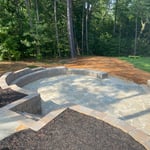
Planters with steps
planters

+27

Response time8 hrs
5 neighbors recently requested a quote
Recommended by85%of homeowners
...
Showing 1-10 of 97
Excavating questions, answered by experts

The digging depth will depend on the size of the trencher you use. Even smaller units can dig up to 4 feet deep, which is plenty for a DIY job. However, much larger trenchers can reach a depth of 18 feet and are better used by a team of pro contractors, not a single DIYer. As with all home improvement projects, use the right tool for the job and proceed with caution.

No, a ditch isn’t a trench. A ditch is an open, relatively shallow channel that’s carved out of the ground and used for drainage purposes. In contrast, a trench is a deeper excavation that’s entirely underground. Trenches have many uses, including gas lines, sewage systems, and electrical wiring. Unlike trenches, ditches don’t get filled back in with dirt after they’re dug.

You can bury underground electrical wire six inches deep—but only if you use a rigid metal electrical conduit. For rigid, non-metallic conduits, bury the wire at least 12 inches deep. If using an underground feeder cable rated for direct burial, you'll need to place it at least 18 inches deep, as it has no conduit for extra protection.

Trenching and boring are two distinct methods for installing underground utilities. Trenching involves digging a channel using equipment like an excavator, trencher, backhoe, or shovel. While it is a simpler process, it causes significant disruption to the surface, landscaping, and surrounding ecosystems.

Boring, also known as directional boring, is a less invasive alternative that uses a drill to create a tunnel for utility lines without disturbing the surface. This method is more precise and is ideal for installations that need to go underneath buildings, roads, or bodies of water. Although boring is less disruptive, it is generally more expensive than trenching.


To drill a shallow well, you may be able to use a drive well point. This is a tapered point that is driven into the ground. A drill bit at the end of PVC pipe may be another option to consider. A lot of the cost depends on what tools are available near you.

The Seven Lakes, NC homeowners’ guide to excavation services

From average costs to expert advice, get all the answers you need to get your job done.