



Top-rated excavation pros.

Get matched with top excavation pros in West End, NC

Enter your zip and get matched with up to 5 pros

Need a pro for your excavation project in West End, NC?

Select your specific project to find the pro for you.

TRUSTED BY WEST END, NC HOMEOWNERS

  • Average homeowner rating star icon4.3
    Average homeowner rating
  • Verified reviews icon21
    Verified excavation services reviews

Find Excavation pros in West End

Avatar for Carolina Pinewood LLC
Carolina Pinewood LLC
5.0(
16
)
Building Site - Preparation and ClearingExcavation - Major Grading or ReslopingBuilding Site - Preparation and Clearing - For Business+2 more

Serving West End, NC and surrounding areas

Approved

Super Service Award Winner

In business since 2019

Free estimates

Emergency services offered

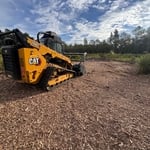
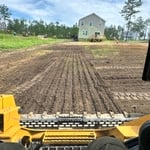
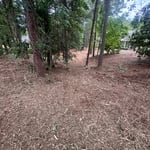
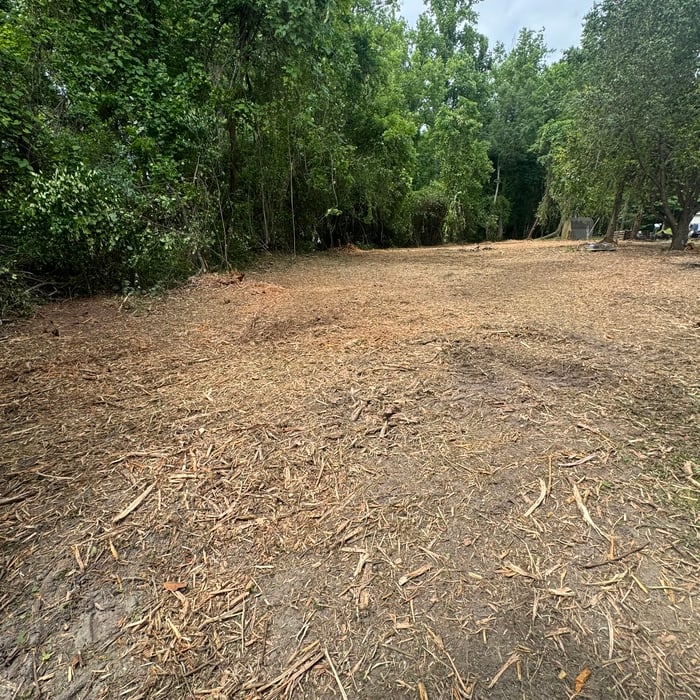
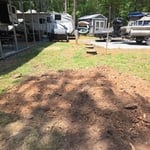
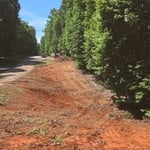
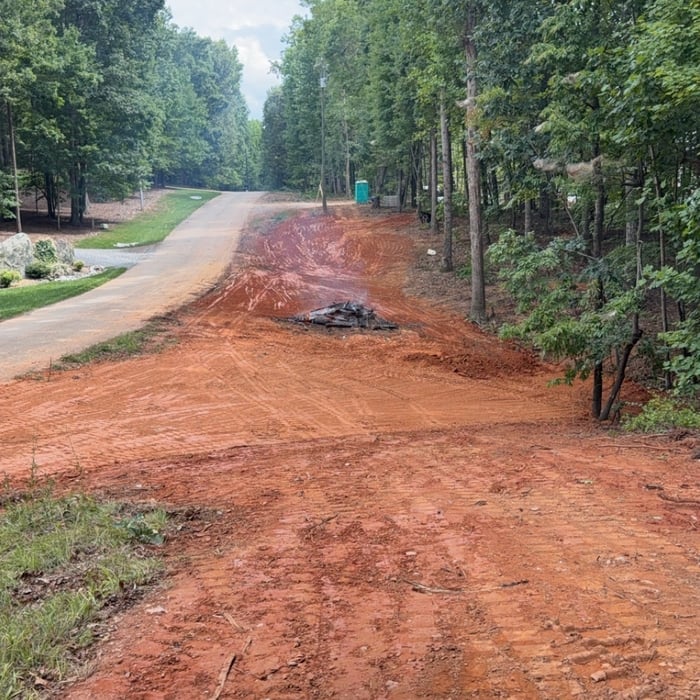
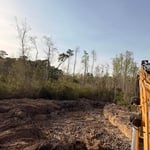
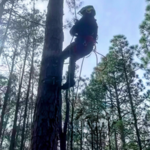
"Carolina Pinewood LLC efficiently cleared approximately one acre of pine and various hardwood trees, as well as a variety of shrubs at my residence in just 5 days. They expertly mulched the shrubs and branches, preserved the trees I wanted to keep, and neatly stacked the debris. Their pricing was affordable yet competitive, and the online communication with the company was consistently professional and prompt. The owner, Filipe completed most of the work by himself. He was highly knowledgeable and readily shared technical information. I highly recommend Carolina Pinewood LLC for any land clearance needs, they receive a perfect 10 out of 10 rating in my book."
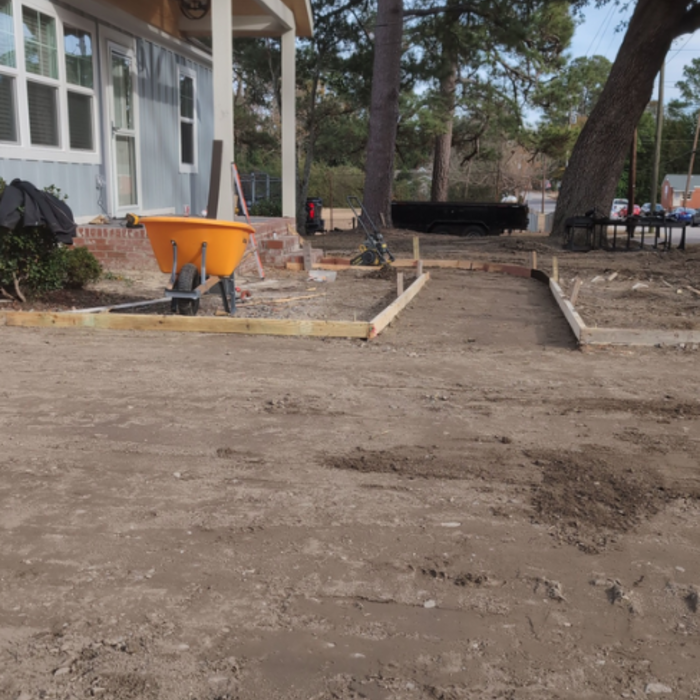
Excavating Project
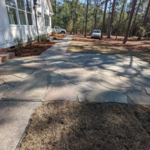
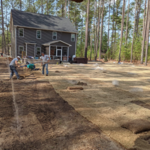
Yard leveling for grass seeds
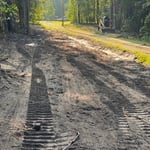
Culvert Drainage
Mulching
Mulching

+106

Response time2 days
Response rate100%
2 neighbors recently requested a quote
Conway Tree Service
4.9(
77
)
Excavation - Major Grading or Resloping

Serving West End, NC and surrounding areas

Approved

In business since 2021

Free estimates

Emergency services offered

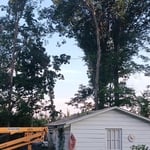
"Can only say good about the work Gregg Conway did for me removing trees; leveling property and creating a driveway with Crush and Run. I am very pleased and have already recommended them for a significant tree removal. Amazing Work. Looking forward to future projects."
Response time2 days
Response rate95%
44 neighbors recently requested a quote
...
Showing 1-10 of 91
Excavating questions, answered by experts

In the United States, a depth of 36 inches (three feet) for underground water lines is the accepted industry standard. This depth varies from location to location based on local conditions. In areas with colder winters, they may be buried deeper to prevent frozen well water pipes : This is usually at least six inches below the frost level. The International Plumbing Code calls for a minimum of 12 inches below grade.

Trenching and boring are two distinct methods for installing underground utilities. Trenching involves digging a channel using equipment like an excavator, trencher, backhoe, or shovel. While it is a simpler process, it causes significant disruption to the surface, landscaping, and surrounding ecosystems.

Boring, also known as directional boring, is a less invasive alternative that uses a drill to create a tunnel for utility lines without disturbing the surface. This method is more precise and is ideal for installations that need to go underneath buildings, roads, or bodies of water. Although boring is less disruptive, it is generally more expensive than trenching.


There are several methods to hollow out a tree stump, and the best one depends on your tools, experience, and priorities. Common methods include using a chisel and hammer, a chainsaw, or burning.

  • Chisel and Hammer: This is often considered the easiest approach for those with limited tools or experience, though it is the most time-consuming.

  • Chainsaw: Using a chainsaw is the fastest method, but it comes with significant safety risks, especially for inexperienced users.

  • Burning: This can be an effective method, but it is not recommended unless you can first drill holes into the stump. Without holes, the stump will be difficult to light and may not burn completely through.

A power drill with at least a ⅜-inch diameter bit can make the job quicker and easier, regardless of the primary method. While you can use a chisel or chainsaw without a drill, it will require more time and effort. Always wear protective goggles and thick gloves, as splinters are an inevitable risk.

Call 811 to locate and mark the gas lines at least three days before digging. In many areas, you can dig within 18 inches of the lines, though in some locations, the distance may be further. Check local regulations, as you may need a utility company representative onsite when digging. Document your calls to 811 and precautions taken to avoid gas lines. A homeowner can be held liable for hitting a gas line in some cases, but contacting the proper authorities and following all guidelines can offer protection.

Concrete blocks are the cheapest way to base a shed. However, the space in between allows critters to go under, burrow, and even damage your shed’s frame. For a more pest-proof option, consider building a shed base with gravel or paver stones. Both options are fairly affordable and easy enough for a DIY project. For gravel, you can build a wooden frame to contain the loose material.

The West End, NC homeowners’ guide to excavation services

From average costs to expert advice, get all the answers you need to get your job done.