"Very responsive to my request, plow operator friendly and good doing his job. Will recommend this company if I get the opportunity and will use them again if the need arises."
"Timothy did a fantastic job replacing our toilet in our bathroom. He explained everything as he worked, helped us to get the best pricing possible on the job and was very friendly with my four year olds of daughter who was thrilled to receive an ECO sticker! Timothy went above and beyond to help us today and we will definitely be using ECO Plumbers again!"
We take great pride in our experience, expertise, quality, and customer service that we provide to meet the consumer's needs. It is our mission to provide excellent workmanship and complete customer satisfaction from start to completion of a project. In order to understand the needs and expectations of our customers, we take great care to work and communicate with every customer in a professional manner. Our reputation is based on service, safety, and quality, regardless of how large or small the job.
Instant greenery, erosion control, and no waiting for germination make sod a preferable choice.
If maintained correctly, natural grass should last between five and 15 years, or up to several decades, depending on your home’s climate conditions. You can extend your grass’ lifespan by treating it well, including regular mowing, weeding, watering, and preventative pest control. Consider hiring a local lawn care service to provide everything your grass needs to live a long, healthy life.
Sod is different from grass because it comes in thick layers of mature grass, roots, and soil for quick transportation and easy installation. This is different from seeding your lawn, which involves directly laying grass seeds into the ground. Grass seeds take approximately 30 days to begin germinating and up to 18 months to reach maturity, whereas sod comes ready to go.
Fine fescue grass can germinate within 12 to 22 days. Of course, factors such as soil and climate can determine how long it will take for your no-mow grass to sprout. New grass seed needs adequate sunshine, oxygen, moisture, and healthy soil for successful germination. The best time to plant fescue grass is early spring or early fall.
Those who live in between zones may have summers too warm for many cool-season grasses and winters too cold for warm-season grasses. Grasses selected for these climates must be well adapted to both conditions, so opt for tall fescue if your area is more prone to very cold temperatures or kikuyu grass if your home has notably hot summers.
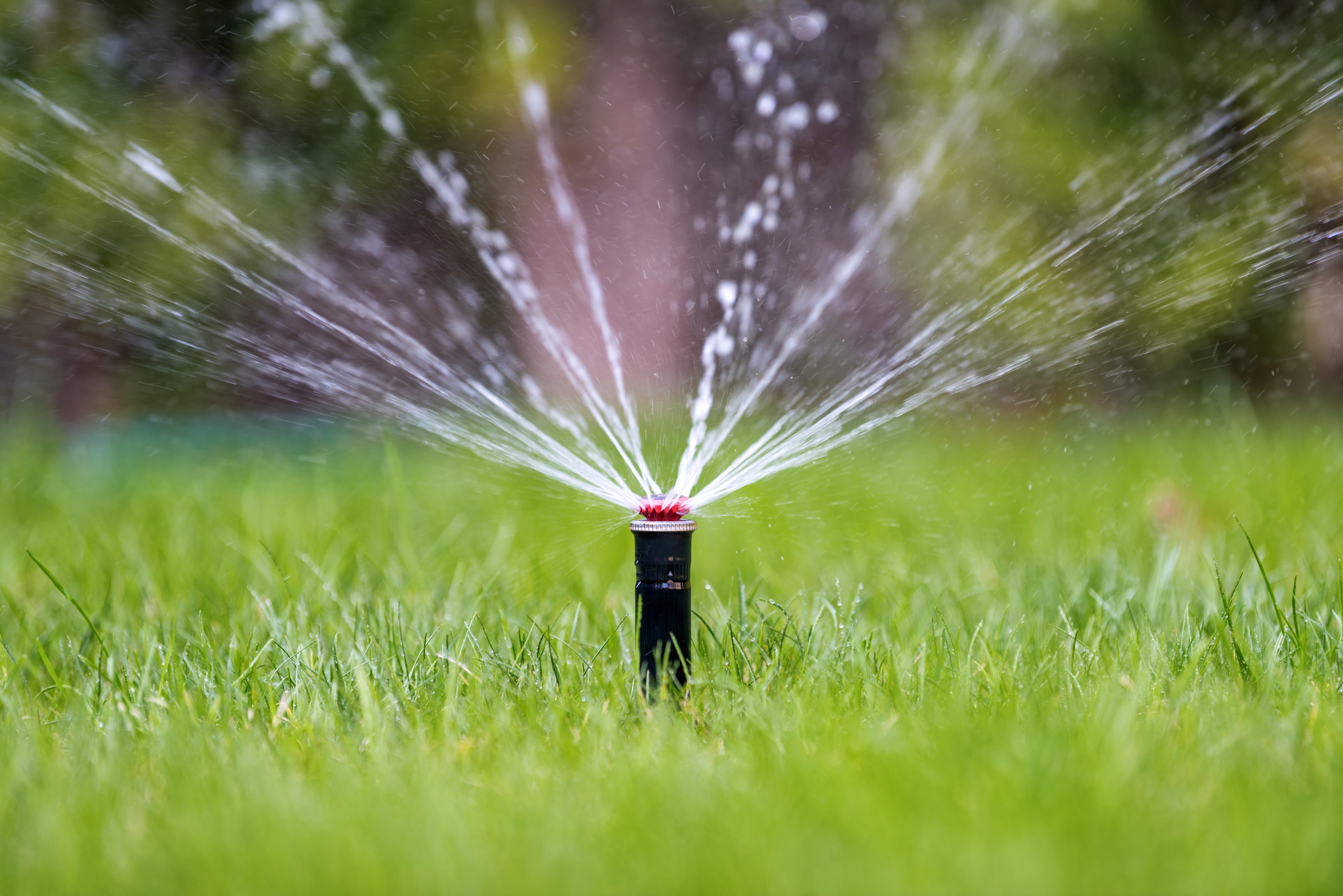
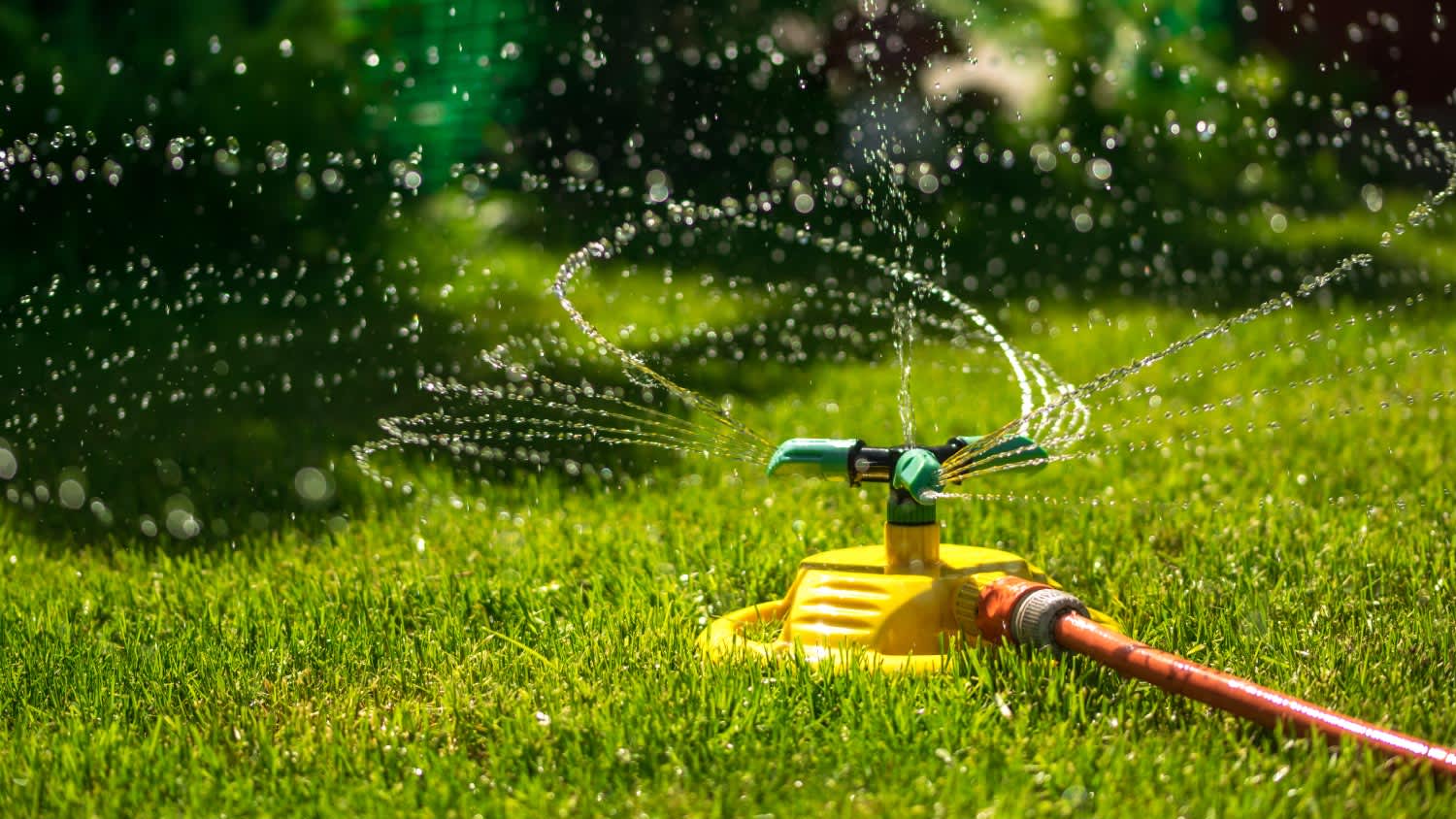
The Sunburst, MT homeowners’ guide to lawn irrigation services
From average costs to expert advice, get all the answers you need to get your job done.
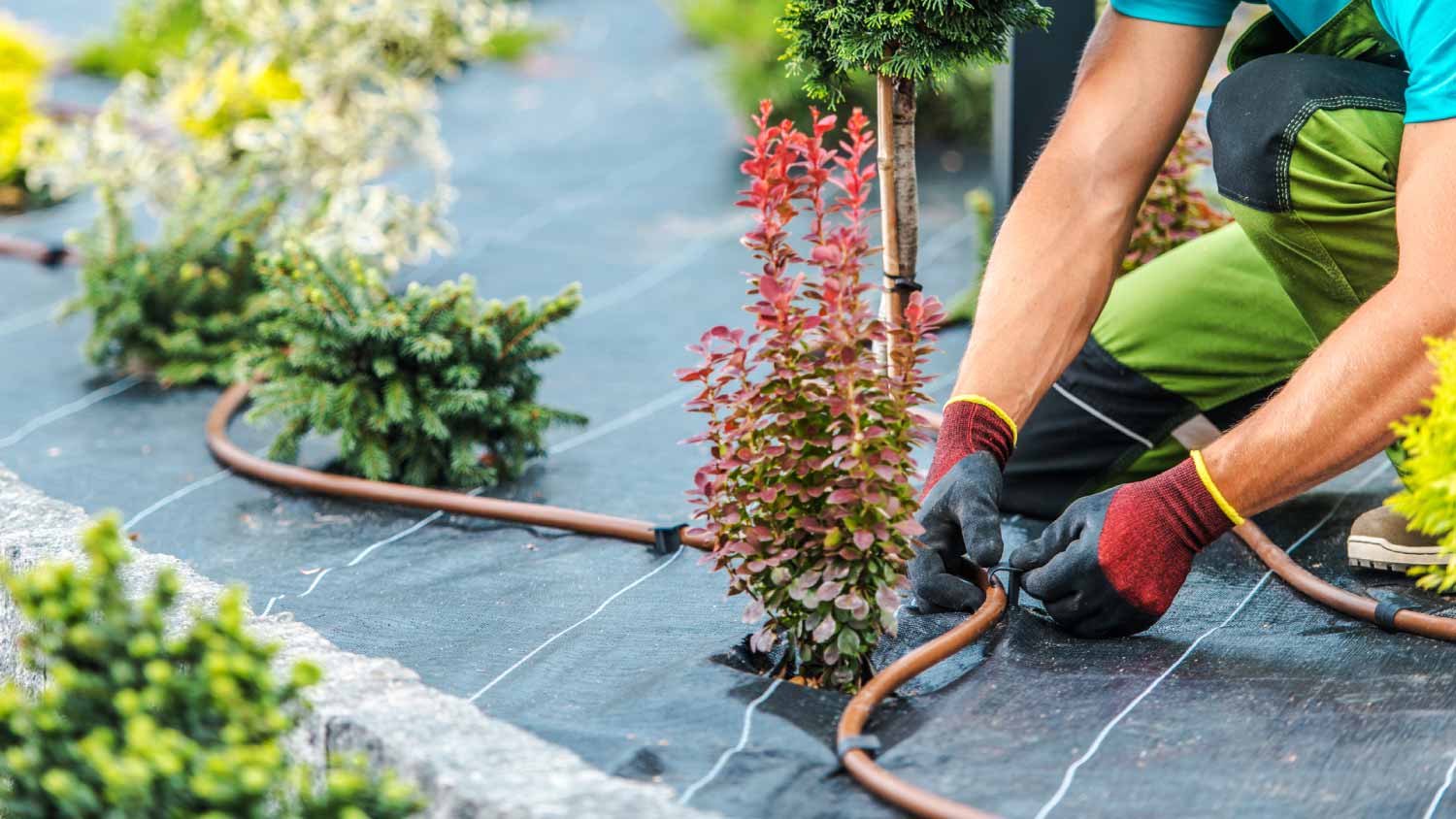
Need an effective solution for watering your garden? Here are four types of drip irrigation systems that can help you nurture your plants to perfection.
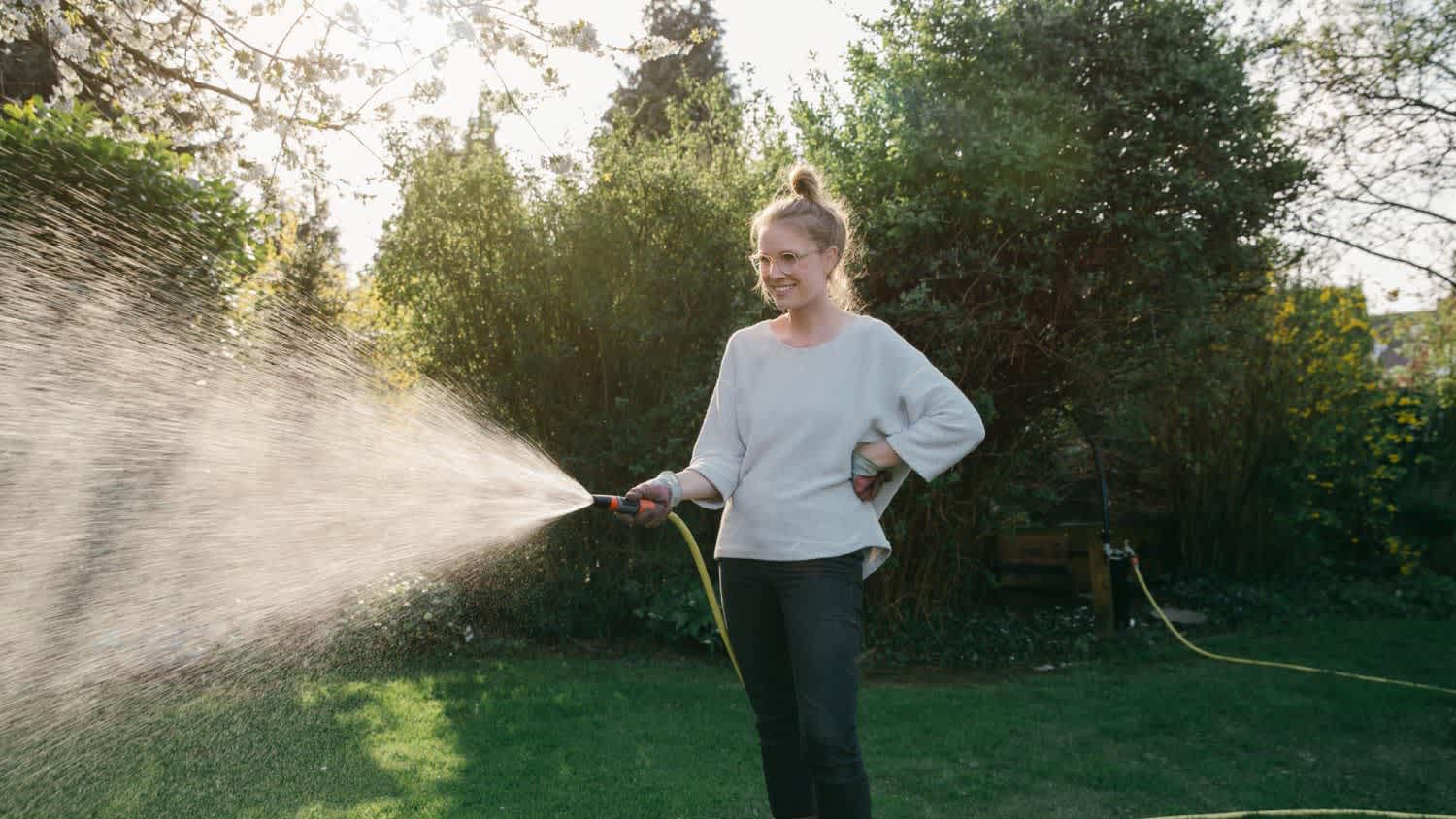
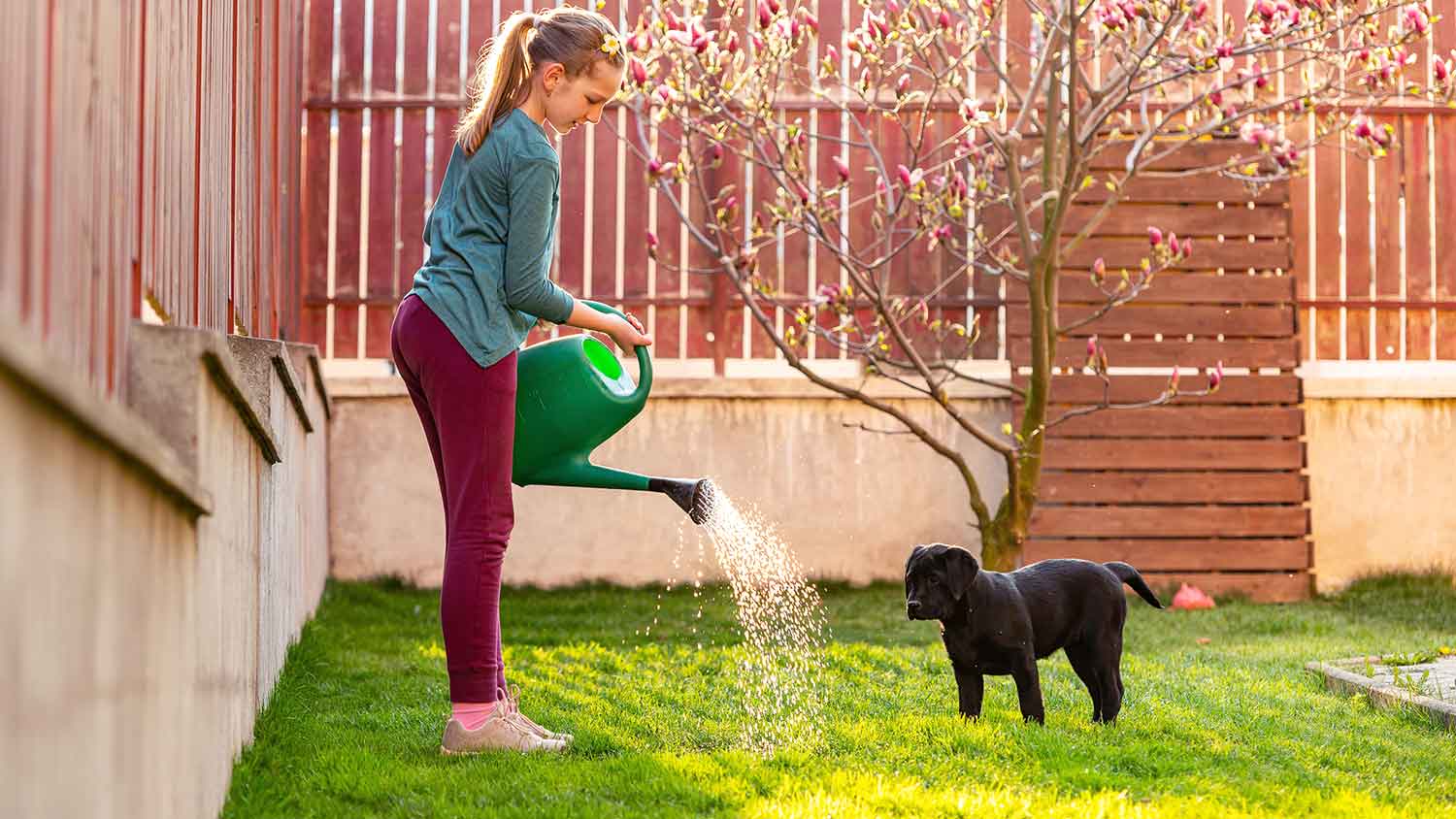
Can you keep your lawn healthy without a costly irrigation system? Absolutely. Learn the best way to water a lawn without a sprinkler system with this guide.