"Very responsive to my request, plow operator friendly and good doing his job. Will recommend this company if I get the opportunity and will use them again if the need arises."
"Timothy did a fantastic job replacing our toilet in our bathroom. He explained everything as he worked, helped us to get the best pricing possible on the job and was very friendly with my four year olds of daughter who was thrilled to receive an ECO sticker! Timothy went above and beyond to help us today and we will definitely be using ECO Plumbers again!"
Action Plumbing Plus, Inc.,where experience counts.. No project is to big or to small. We look to working with you soon. Call Action Plumbing Plus today. Customer Satisfaction is our goal.
S & P Lawn Service is the way to go if you want your lawn to look amazing. We offer great services for fair prices. Give us a call today for your free estimate!
We take great pride in our experience, expertise, quality, and customer service that we provide to meet the consumer's needs. It is our mission to provide excellent workmanship and complete customer satisfaction from start to completion of a project. In order to understand the needs and expectations of our customers, we take great care to work and communicate with every customer in a professional manner. Our reputation is based on service, safety, and quality, regardless of how large or small the job.
Wait at least three weeks after overseeding ryegrass before breaking out the lawn mower. Mowing sooner will tear up much of the delicate, newly seeded ryegrass as it won't have established strong roots to anchor it yet.
Yes, you can typically combine liquid aeration with other lawn treatments. However, follow the specific product's instructions and consider the compatibility of treatments. In most cases, liquid aeration can complement fertilization, overseeding, or weed control programs. Combining treatments strategically can address multiple aspects of your lawn's health and appearance simultaneously. Always read and adhere to the guidelines provided by the product manufacturers to ensure safe and effective application.
Power seeding can be worth it if your existing lawn is looking sparse or patchy. Power seeding can quickly and effectively plant new grass seeds and help grow a thicker lawn. But if your lawn is in pretty good health but could use a little more TLC through dethatching, fertilizing, weeding, or aerating, you may not need to spend money on power seeding costs.
Yes! Fescue grass is a perennial that naturally regrows every spring. That’s why we recommend planting this grass variety in the spring to jump into the ideal growing and regrowing schedule. Keep in mind that fescue grasses thrive in cooler and transitional areas, so some species do best in moderate climates below 90 and above 50 degrees Fahrenheit.
If it’s been a few weeks and you haven’t seen anything pop up, double-check your seed packet and make sure you didn’t miss any steps. Did they need cold stratification (putting seeds in the freezer and then transferring to water before planting)? Do they have an exceptionally long germination period?
If you’ve followed all of the directions closely, you may just have had a bad batch of seeds. (Sadly, it happens.)
The Ledger, MT homeowners’ guide to lawn irrigation services
From average costs to expert advice, get all the answers you need to get your job done.
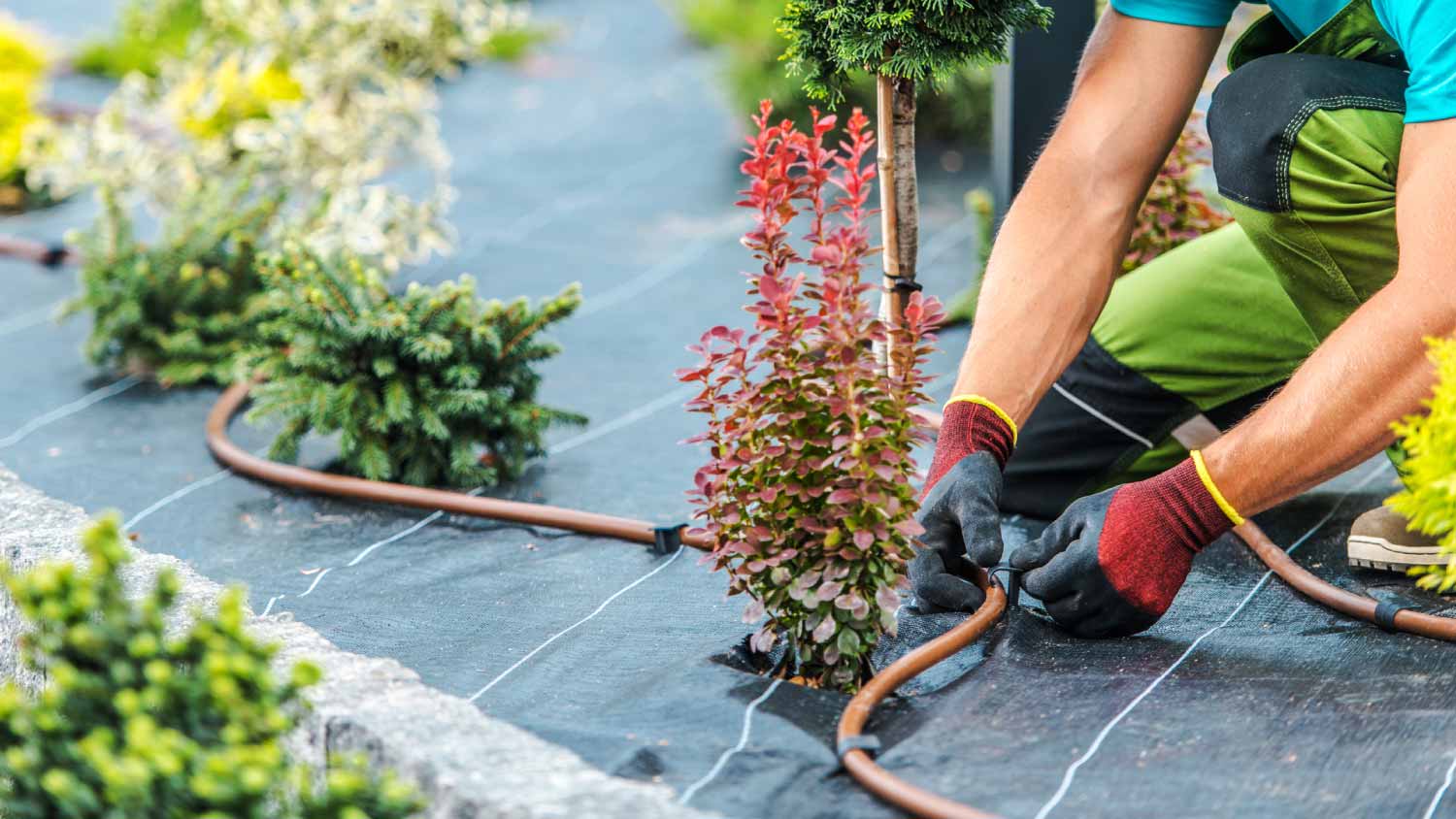
Need an effective solution for watering your garden? Here are four types of drip irrigation systems that can help you nurture your plants to perfection.
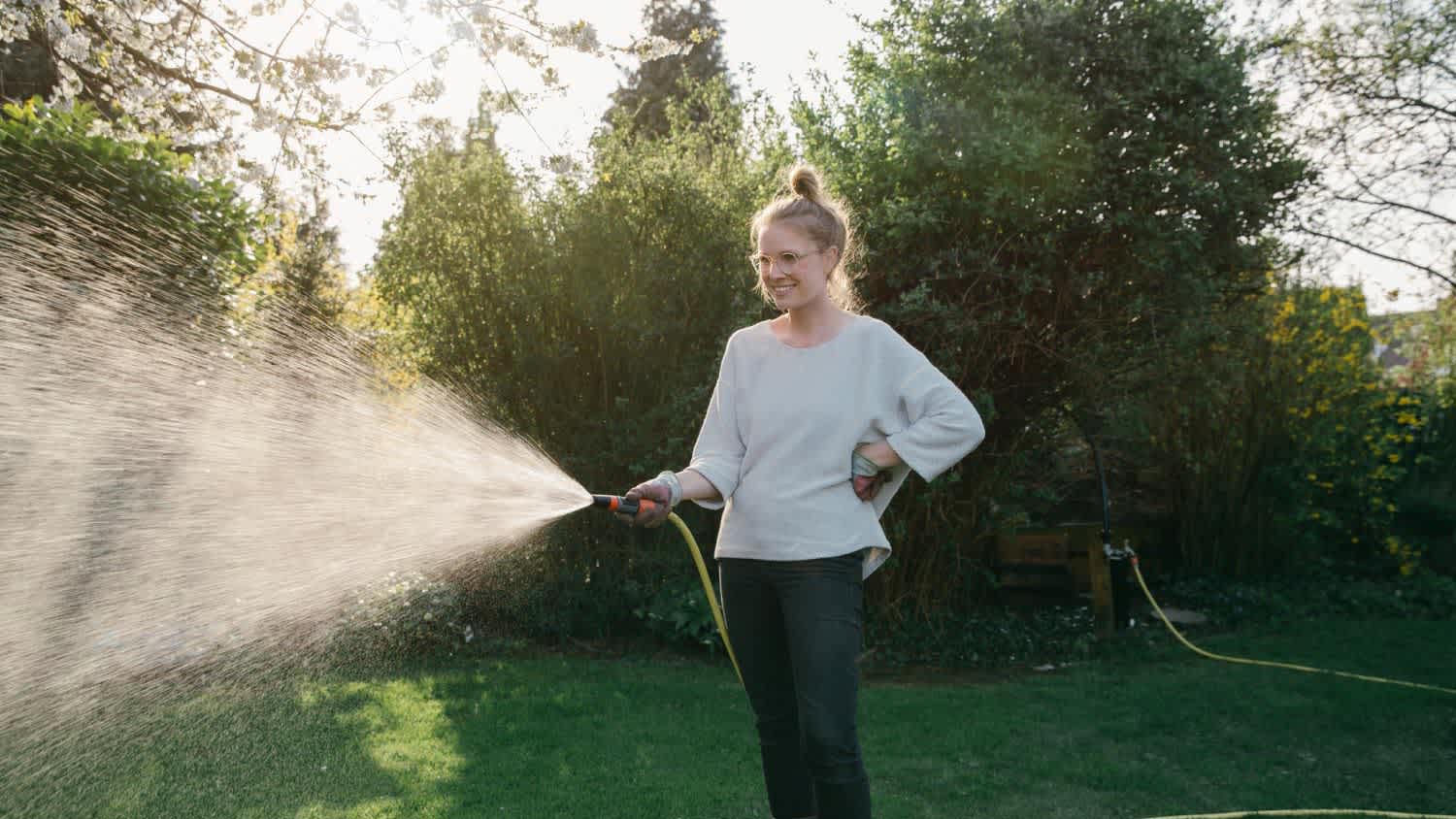
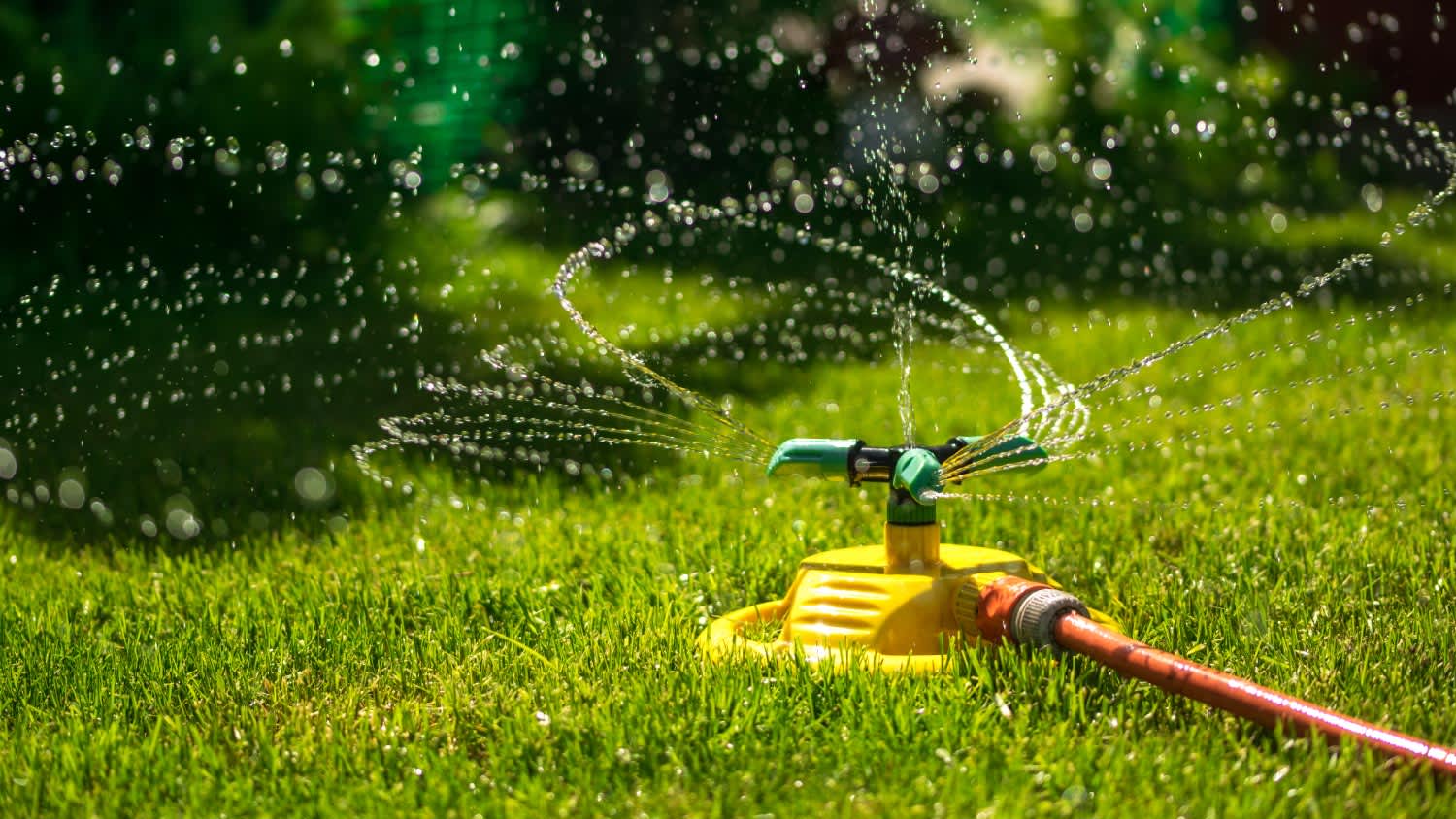
Can you keep your lawn healthy without a costly irrigation system? Absolutely. Learn the best way to water a lawn without a sprinkler system with this guide.