"The guys did an excellent job in my opinion. They had to do some excavating to get down to the pipe. The complete pipe was replaced, not patched in. The septic tanked was pumped out, inspected, and an access cover was installed above the ground for future cleaning. The guy did everything to the tee that he told me he was going to do before he started. He completed the job in one day like he said he would, and he put back all the landscaping back exactly how it was to begin with. I would have Western Septic come back in a heartbeat and do any repairs that I have in the future. Super nice guy, friendly, and was very reasonably priced for all the work he performed for me. 100% satisfied, that's for sure."
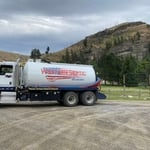
"Well. Only problem was delay in response time after claim was filed online. Water tank started leaking Thanksgiving morning and no reply until I called the Regional Manager."
"Takes for ever to get a return a call. Also took a week to get someone out for repairs. They said they would reimburse me for septic repairs and it took over 3 months for that to happen."
Rob Heavilin of Quality Plumbing Services, PLLC can help you with all of your plumbing needs, from simple clogs to new tubs and showers to water mains. All with friendly professional service.
We take great pride in our experience, expertise, quality and customer service that we provide to meet every consumer's needs.\nIt is our mission to provide excellent customer service from start to completion of a project.\nTo understand the needs and expectations of our customers, we take great care to work and communicate with every customer in a personal and professional manner.\nOur reputation is based on service, safety and quality, regardless of how large or small the job.\n
We pride our company on reliability, great communication, integrity, and quality work. We are experts in our trade and will do our best to keep you as educated as we can on your particular task or project. We look forward to earning your business!
Many contractors offer warranties for parts and labor. Confirm terms before hiring.
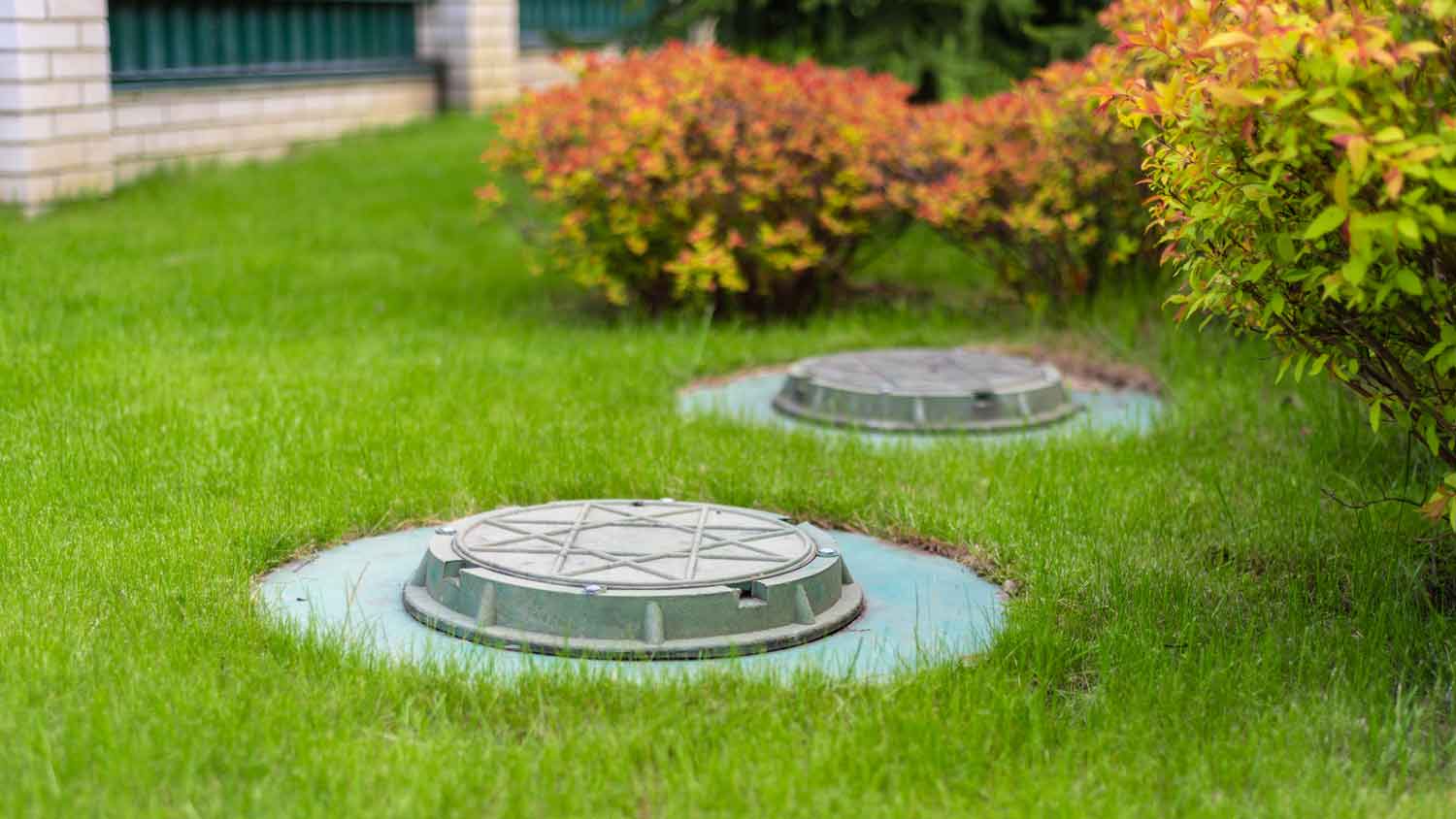
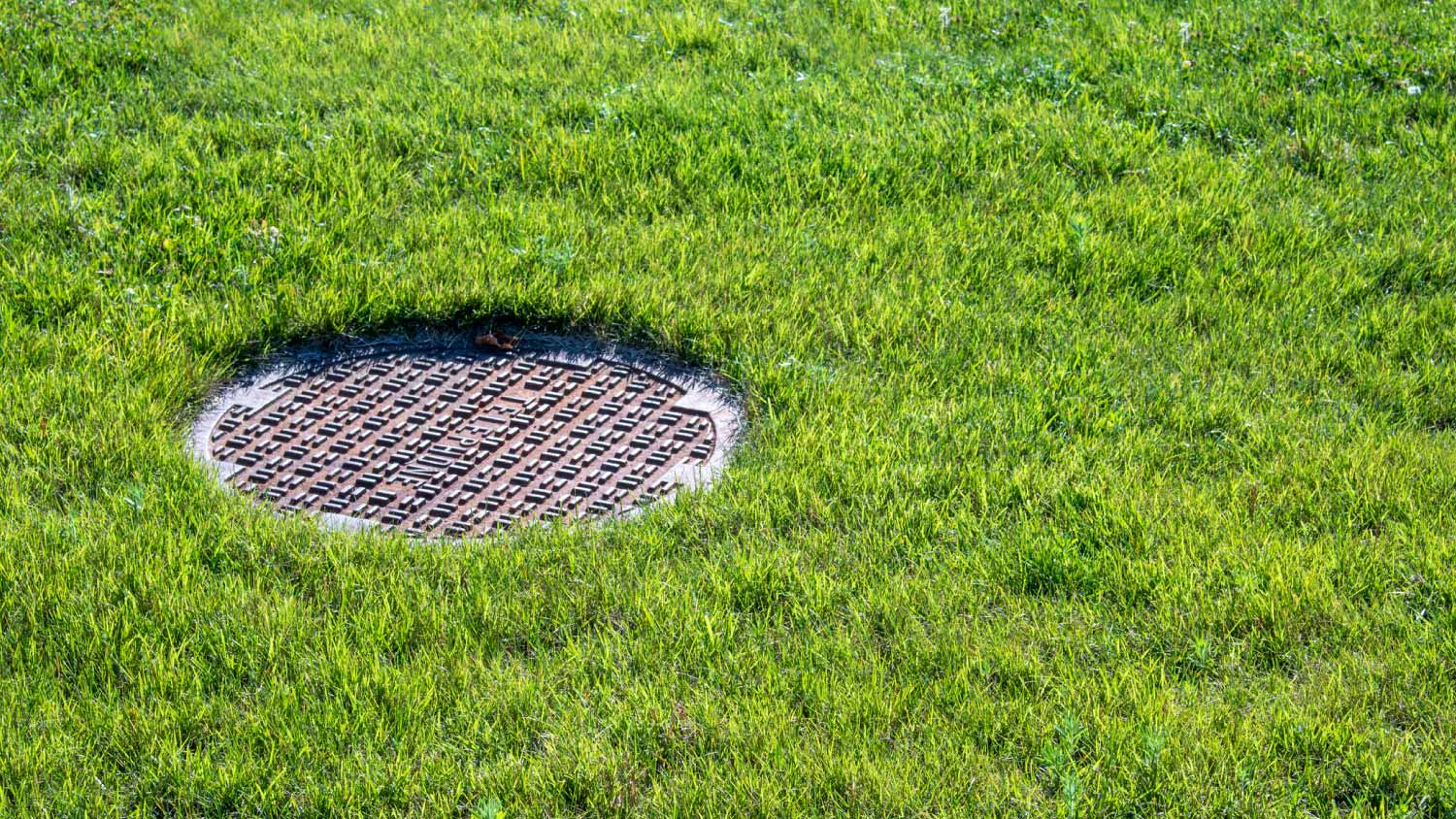
You can check your own septic tank, but take precautions. Locate the access lid, usually buried a few inches underground, and remove it carefully. Look for the sludge and scum levels, and if they’re high, that means pumping may be necessary. Check for odors, slow drains, or pooling water around the drain field, which could indicate issues. Never enter the tank, as toxic gases can be fatal. All of that being said, a professional inspection is safer and more thorough.
The smallest septic system available for purchase typically includes a 750-gallon tank. However, the smallest size you can legally install is determined by local regulations, and many areas require a minimum capacity of 1,000 gallons. The cost to install a small septic system generally ranges from $2,910 to $13,900. Before proceeding, it is essential to check with your local health department or consult a local septic professional to confirm the minimum legal requirements in your area.
A properly installed and maintained septic drain field (also known as a leach field) can last up to 50 years, though the average is around 20 years. However, factors like poor soil conditions, heavy usage, or improper maintenance can significantly shorten its lifespan to 15-20 years.
To extend the life of your drain field:
Schedule Regular Inspections: Have the entire septic system, including the drain field, inspected every two to five years to catch problems early.
Protect the Area: Avoid driving heavy vehicles or placing heavy structures over the drain field. Plant only grass or other lightweight vegetation with shallow roots over the area.
Maintain the Septic Tank: Proper care of the septic tank, including regular pumping and avoiding harmful chemicals, prevents strain on the drain field.
Be aware of signs of failure, such as strange odors, standing water, or unusually lush grass over the field, which indicate your system may need professional attention.
There is no standard depth for burying a septic tank; they are typically buried anywhere from 4 inches to 4 feet underground. The final depth depends on several factors, including the depth of your main sewer line, the height of the bedrock, soil type, local regulations, and the property's landscape. If you plan to grow grass or plants over the tank, a depth of at least 4 to 6 inches is recommended. Deeper tanks can be more difficult to locate, but a septic professional can help find it for you.
The Ledger, MT homeowners’ guide to septic tank services
From average costs to expert advice, get all the answers you need to get your job done.
It’s crucial to install a septic tank with the right volume to avoid wastewater backups. This guide will help you calculate the right septic tank volume.
Septic tank sizes vary depending on the size of your home, how many people live there, how much water you use, and more. Read on to learn how to determine the right size for you.
Septic tank risers make it easy to access your septic tank when it’s time for routine inspection, maintenance, and pumping, saving you precious time and labor costs.