"The tech was very knowledgeable and went above and beyond to satisfy us. Our faucet was broken would not attach to the sink as the copper seal broke to the water lines."
"One oven doesn't work at all ( my choice, see above), the "working" oven was never calibrated properly so using it is hit or miss. It's time to call American Home Shield to see about replacing the entire unit. I'm waiting to finish other home projects before calling them. I don't know if I'll request Greenway again."
Install Above Ground Pools FAQs, answered by experts
The only pools that don’t need grounding are those without electrical components, such as small inflatable pools. Any outlet around a pool should be a GFCI to cut the current if the outlet gets too wet. At the very least, the pool’s electrical should be plugged into a GFCI outlet, if not a dedicated GFCI breaker. Check local guidelines and requirements to ensure you’re following all safety regulations.
You can use a plunge pool any time of the year, including winter. Be sure to install a pool heater if you plan to take a dip in the plunge pool when temperatures are low to avoid risk of hypothermia. You will also want to add a sturdy pool cover to protect the pool from snow, sleet, and rain during the winter months.
You can purchase preassembled or customized endless pools as small as 6-by-6 feet, though larger options are more common. For safety purposes, you will also need to set aside space surrounding the pool to support the pool and pool deck. A pool size chart can help you visualize the best shape for your needs.
Yes, adding a pool to your property will almost always increase your homeowners insurance premiums. This is because pools are considered hazardous, which increases your home's liability risk. The replacement cost of the pool itself is also factored into your home's rebuilding cost when determining coverage limits. The amount of the increase can vary from as little as $50 to several hundred dollars more per year, depending on your insurance company, location, current coverage, and installed safety features. It is best to contact your insurance agent before installing a pool to get an estimate, understand their specific guidelines, and factor the ongoing cost into your budget.
It depends. Your pool might need chlorine every day if the water is exposed to direct sunlight and you use your pool frequently. UV light and constant use will deplete chlorine levels more rapidly. Test your water regularly to see where your levels sit and adjust accordingly. Generally speaking, most homeowners need to add chlorine following a water chemical test about one to three times per week.
The Hays, MT homeowners’ guide to above ground pool installation services
From average costs to expert advice, get all the answers you need to get your job done.
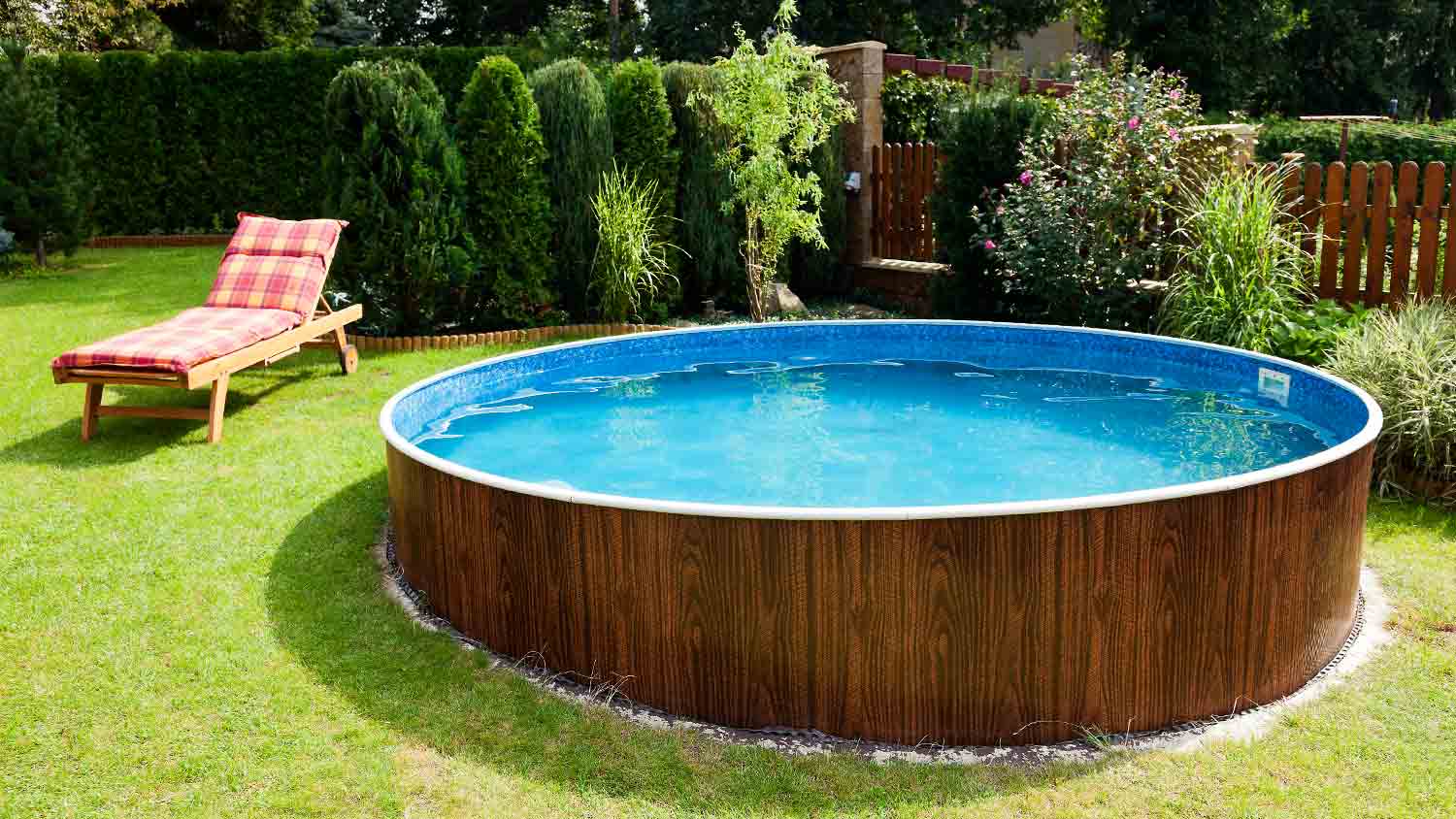
Above ground pools are more affordable than inground pools, so can you put an above ground pool in the ground to save money? Learn when it’s safe to do so.