


Top-rated arborists.

Get matched with top arborists in Hall, MT

Enter your zip and get matched with up to 5 pros

Need a pro for your arboricultural service project in Hall, MT?

Select your specific project to find the pro for you.

Find Arborists in Hall

Betchel Tree Service
4.6(
44
)

Serving Hall, MT and surrounding areas

In business since 1994

Free estimates

Credit card accepted

"I haven't had any work done yet. But... after 3 years and multiple calls to the most well know tree services in the area, Betchels was the fist to call back. I made an inquiry on Sunday (fathers day) Ryon called back Monday AM and spent 2 hours on the property on Tuesday, after business hours and at my convenience. He looked at every tree and made recommendations for what I could do myself vs the professional jobs. I was left with a written quote more reasonable than any of the nightmare stories I'd heard from friends and neighbors. We have a large property with multiple trees that have been neglected for years. I was dreading a professional assessment/quote but walked away feeling encouraged and looking forward to future progress. I wouldn't normally write a review on work that hasn't been done but I was so impressed with the service, quoted price and his willingness to accommodate that I felt like I could review the experience so far. I'll write more when the work is completed but I'm confident it will exceed my expectations! Thank you Ryon for taking the time to make an overwhelming situation feel manageable. I look forward to working with you."
Response time10 hrs
Recommended by100%of homeowners

Showing 1-10 of 28
Arborists questions, answered by experts

The exact answer to this question depends on which region of the country you’re talking about, but according to various tree counts, some of the most common types of trees in the United States include red maple, Douglas fir, quaking aspen, loblolly pine, and sweetgum.

Some fast-acting products can rot a tree stump in four to six weeks. Keep in mind, these products contain harsh chemicals that may prevent regrowth in the area. Other products, like fertilizer that contains lots of nitrogen, can enhance the process and rot a stump in about a year. (This is compared to the ten years it can take naturally for a stump to rot.)

Generally, you’ll want to prune back the trunk by 1 to 2 feet each year to promote bushy growth. Doing so concentrates vegetative buds closer to the bottom of the tree, where you can easily harvest fruit. For side shoots that are a year old, leave at least six leaves. 

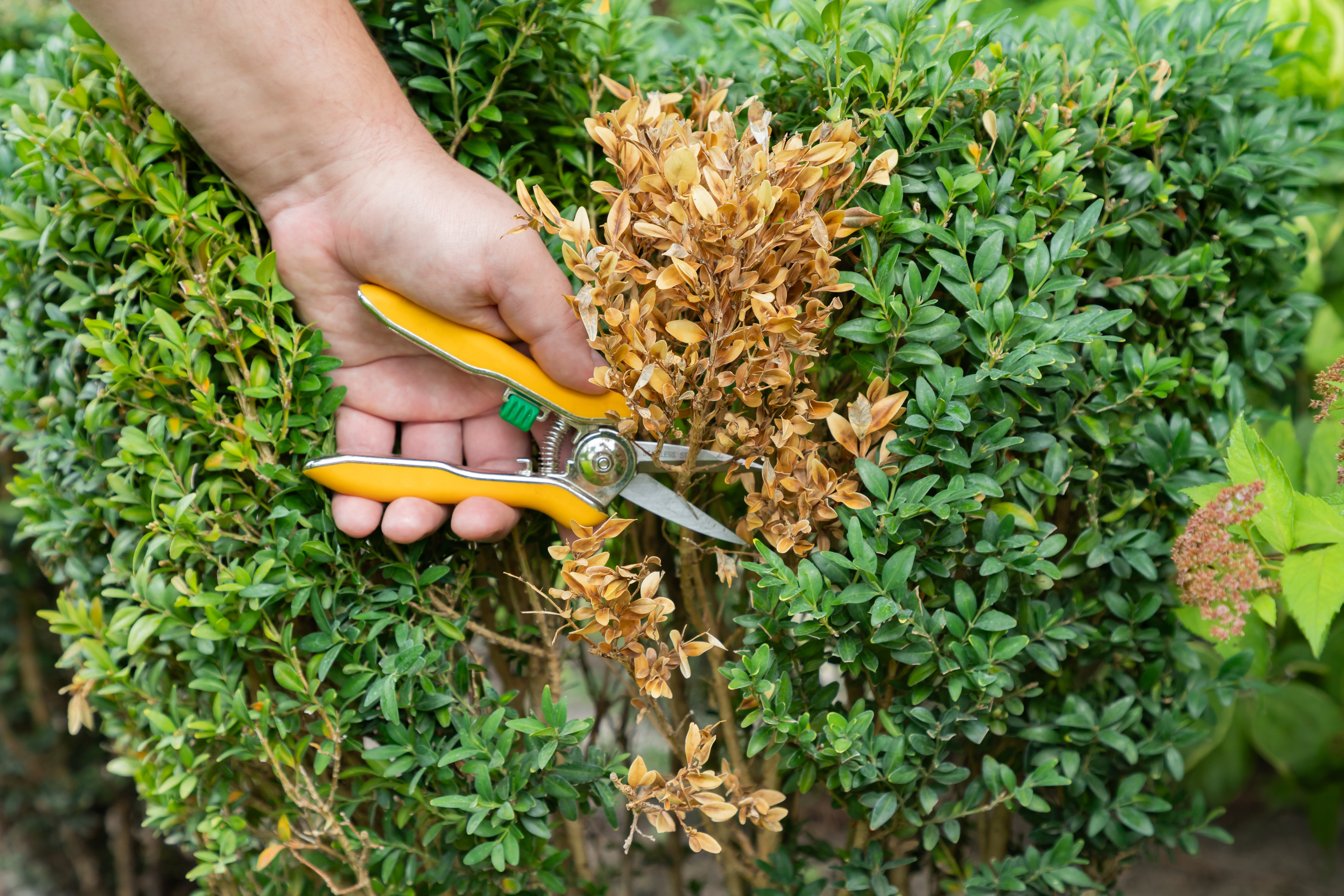
Never remove more than 30% of a tree’s foliage during pruning—even if your tree is really overgrown. Removing this much foliage at a time could kill your tree.

Although the terms tree trimming and tree pruning are used interchangeably, they are very different types of tree maintenance. Tree trimming involves enhancing the appearance of your tree by removing unruly branches, providing your tree with ample sunlight and nutrients and prevents unsightly overgrowth. 

Tree pruning helps keep your trees disease-free. This process removes unhealthy growths, dead branches, and other unhealthy parts of the tree. It’s more common for deciduous and ornamental trees but not so common for evergreen trees. To determine which method you need, discuss it with a tree trimming specialist.

All of the tree root removal methods mentioned above are effective on any kind of root, whether it’s still growing or simply needs a gentle nudge to finish decomposing. The only difference is that larger roots tend to be harder to remove and may require multiple chemical treatments as well as manual labor to eradicate.

The Hall, MT homeowners’ guide to arboricultural services

From average costs to expert advice, get all the answers you need to get your job done.