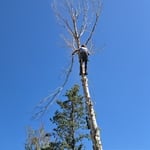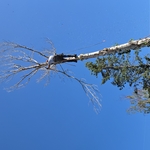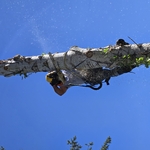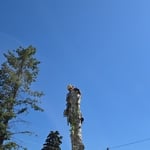






Top-rated arborists.

Get matched with top arborists in Lincoln, MT

Enter your zip and get matched with up to 5 pros

Need a pro for your arboricultural service project in Lincoln, MT?

Select your specific project to find the pro for you.

Find Arborists in Lincoln

Avatar for Permaculture Planets LLC
Permaculture Planets LLC
5.0(
2
)

Serving Lincoln, MT and surrounding areas

In business since 2017

Free estimates

Emergency services offered

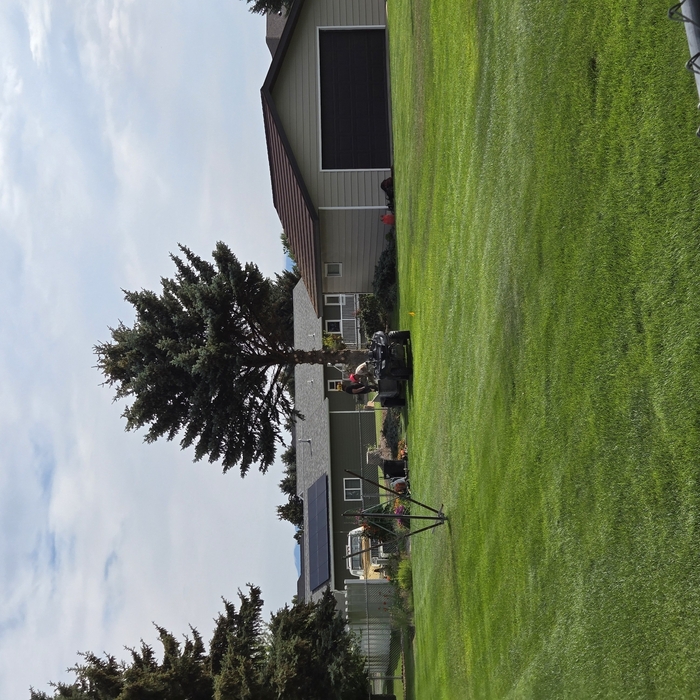
"It was a fantastic job. They listen to everything we instructed them. They were safe. They did a good job in cleaning after they finished. They were on time. They came when they said they would. And I felt their pricing was reasonable for the work."
Tree Service Project
Additional Photos

+3

Recommended by100%of homeowners
Showing 1-10 of 35
Arborists questions, answered by experts

It’s not always easy to tell when a tree is dying, although signs like dropping branches and brittle bark can sometimes offer clues. It can also be difficult to know whether a tree is dead or dormant, especially if it’s a deciduous tree. You’ll want to wait until a growth season to get a good idea of a tree’s health. When in doubt, contact an arborist for a consultation.

Pruning can impact cold hardiness—but it’s less about the exact temperature and more about temperature variation. Generally, you don’t want to prune trees when there’s a risk of temperatures suddenly dropping from 50 to 60 degrees Fahrenheit to 0 degrees Fahrenheit or below. A tree is most sensitive until 48 hours after it’s pruned.

Sometimes, knowing when you need tree-trimming services is straightforward, and other times, you have to do some investigating. Some tell-tale signs that you should have your tree trimmed include:

  • A poorly-formed tree with unruly branches, which makes the tree appear odd-shaped. 

  • A tree with tall or large branches that interfere with power lines or your home’s exterior.

  • A tree that provides too much shade in the yard due to branch overgrowth.

In most ways, palm trees are incredibly low-maintenance. They don’t need a ton of water—which is why they’re so beloved in desert regions—and they basically prune themselves. But they do need an ample supply of sunlight and to be in soil that will allow for proper drainage so that their roots don’t become waterlogged and at risk of developing illnesses.

If the plant begins to wilt, develop spots, or change color, these could all be signs that your palm tree has a disease. But a few basic treatments, like pruning and applying fungicide, will usually be more than enough to return it to perfect health.

Trees don’t usually grow back after being cut down. Some particularly robust tree species may start sending up new stems from a stump to recover, but those stems won’t become a “tree” like before. Generally, trees don’t recover from being entirely cut down, which is why it’s important to be careful when making a decision. When you cut down a tree, it’s a good idea to make plans to remove the stump, even if it’s unlikely to grow back.

The Lincoln, MT homeowners’ guide to arboricultural services

From average costs to expert advice, get all the answers you need to get your job done.