








Top-rated arborists.

Get matched with top arborists in Anaconda, MT

Enter your zip and get matched with up to 5 pros

Need a pro for your arboricultural service project in Anaconda, MT?

Select your specific project to find the pro for you.

Find Arborists in Anaconda

Avatar for Mining City Snow Removal
Mining City Snow Removal
5.0(
2
)

Serving Anaconda, MT and surrounding areas

Approved

In business since 2018

Free estimates

Emergency services offered

Mining City Services is committed to excellence in every aspect of our business. We uphold a standard of integrity bound by fairness, honesty, and personal responsibility. Our distinction is the quality of service we bring to our customers. Accurate knowledge of our trade combined with ability is what makes us true professionals. Above all, we are watchful of our customers' interests and make their concerns the basis of our business.

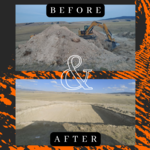
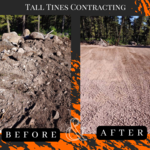
Before and after
Highlands
Response time1 day
Recommended by100%of homeowners

Avatar for Permaculture Planets LLC
Permaculture Planets LLC
5.0(
2
)

Serving Anaconda, MT and surrounding areas

In business since 2017

Free estimates

Emergency services offered

"It was a fantastic job. They listen to everything we instructed them. They were safe. They did a good job in cleaning after they finished. They were on time. They came when they said they would. And I felt their pricing was reasonable for the work."
Tree Service Project
Additional Photos

+3

Recommended by100%of homeowners

Showing 1-10 of 30
Arborists questions, answered by experts

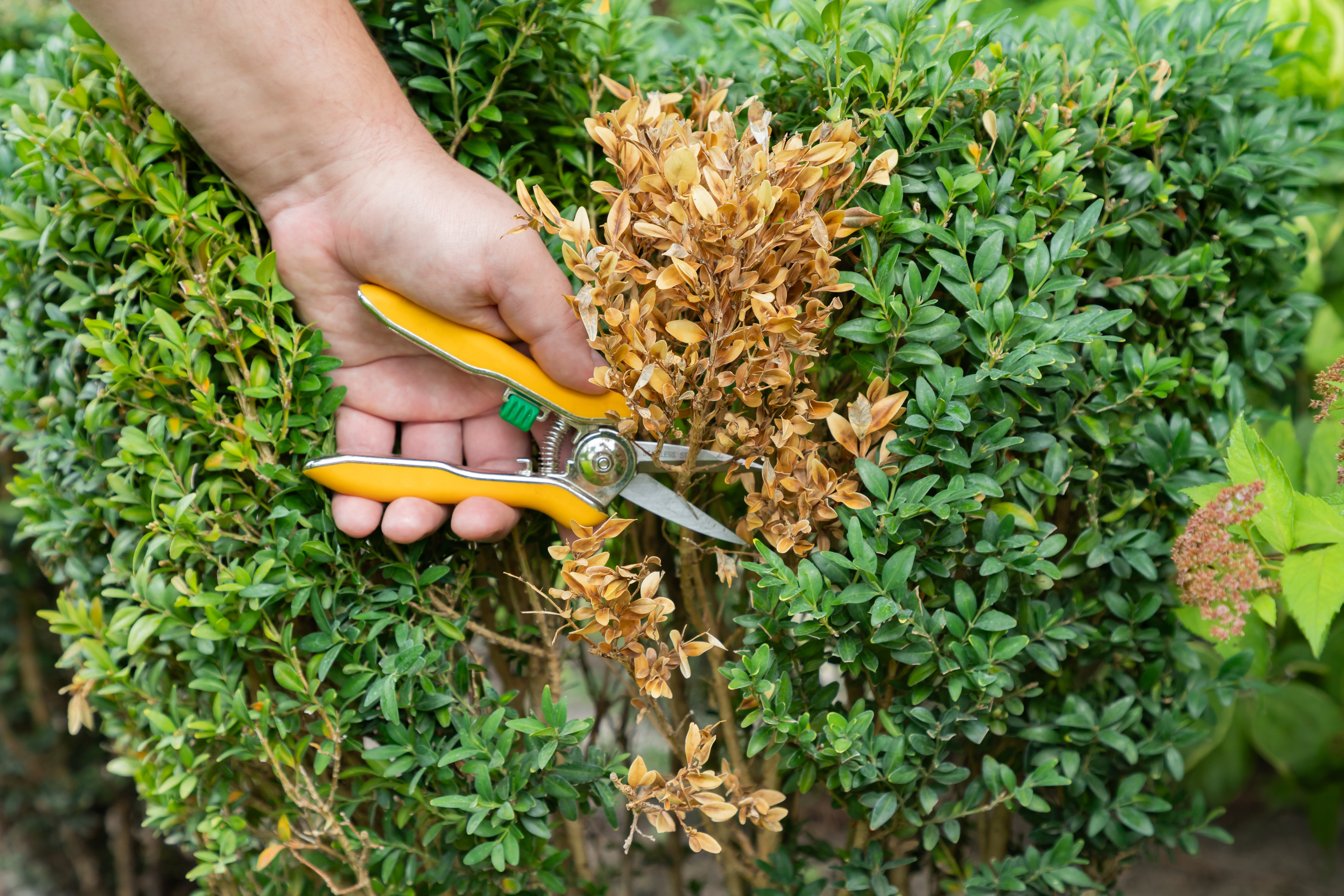
Whether tree roots will continue to grow after a tree has been cut down depends on the species. Some tree roots will eventually die because they can no longer get nutrients through photosynthesis. However, other species that reproduce through root sprouts can continue to grow and produce new sprouts for seven years or more. For example, the roots of elms, ficus, and willows tend to regrow aggressively, while the roots of pines, oaks, and maples will typically die. To determine if a root system is still active, look for new sprouts on the old trunk, stump, or any exposed roots.

Dutch elm disease can’t harm humans. In fact, according to Cal Fire, bark beetles aren’t even typically dangerous to trees unless that tree is already weakened. The problem comes when Dutch elm disease kills a tree. That tree is more at risk of falling and catching fire, which can pose a serious threat.

Trees that flower in the spring—like dogwood, cherry, magnolia, and pear—should not be pruned during the winter. These spring-flowering plants grow buds on old growth, so you’ll actually remove what would’ve been gorgeous flowering foliage. Instead, wait to prune until right after they bloom, when the flowers fade.

It is possible to burn out a tree stump if it is dried out and in an area of your property with a large buffer. Drill holes in the stump and dig around the base so it burns more easily. Then, build a small campfire on top using kindling and firewood. You’ll need enough to keep the fire going for many hours to completely burn out the stump, especially if it’s large. 

Monitor the fire closely to ensure it doesn’t spread, and have a hose on hand if it starts to get out of control. When the fire is out, break apart the burned stump and dig out what’s left of it.  

If this sounds like a good option, learn more about how to burn a tree stump before attempting it, as it does come with risks.

A tree can split because of high winds, a change in temperature, or from an infestation or tree disease. All of these factors can overlap, making a single cause difficult to pinpoint. While winter storms are some of the most common causes for a tree to split, it can also happen because of termites or rot.

The Anaconda, MT homeowners’ guide to arboricultural services

From average costs to expert advice, get all the answers you need to get your job done.