


Top-rated arborists.

Best arborists near Pinesdale, MT

Enter your zip and get matched with up to 5 pros

Need a pro for your arboricultural service project in Pinesdale, MT?

Select your specific project to find the pro for you.

TRUSTED BY PINESDALE, MT HOMEOWNERS

  • Average homeowner rating star icon4.4
    Average homeowner rating
  • Verified reviews icon48
    Verified arboricultural services reviews

Top-Rated Arborists in Pinesdale - Updated Nov 2026

Avatar for Mountain River Tree Services
Mountain River Tree Services
5.0(
1
)
Tree TrimmingTree RemovalTree Removal - For Business+3 more

Serving Pinesdale, MT and surrounding areas

Approved

In business since 2025

Free estimates

Emergency services offered

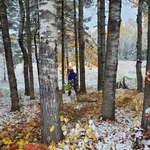
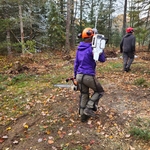
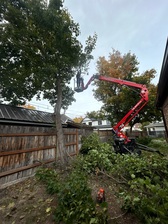
"Dustin got back to me right away to schedule. He arrived on time and trimmed my birch snag to a point that it will not fall on my fence when it does fall. He also looked at my mountain ash which was stressed. He trimmed the branches that were rubbing on each other and old me to moved the rocks and grass from underneath it. He educated me on caring for the tree and how to shake the branches after watering so they don't burn."
Our Photos
Our Photos
Our Photos
Our Photos
Our Photos

+1

8 neighbors recently requested a quote
Precision Construction Services, LLC
4.8(
4
)
Tree RemovalTree Removal - For BusinessTree Trimming+1 more

Serving Pinesdale, MT and surrounding areas

In business since 2019

Free estimates

Offers commercial services

"I havenâ  t seen the work @ the condo. My renter told me he was pleased. The gentleman they sent to me was very professional & did a great job. The only complaint I have is they took a couple of days to get to the cond& the renter had to leave the door unlocked. They didnâ  t show up. They called me & I had to leave work to unlock my renters condo."
Before
After
After
Response time2 days
Recommended by100%of homeowners
Showing 1-10 of 34
Arborists FAQs, answered by experts

Yes, healthy and well-placed large trees can boost property value by an average of 3% to 15%. They improve curb appeal, offer energy savings through shade and wind protection, and are often considered by appraisers during home valuation. On the flip side, removing dead or hazardous trees can also increase value by eliminating safety risks. For the biggest return, choose low-maintenance, native species that thrive in your climate.

Completely topping a plum tree is a risky business. Cut too much, and you’ll kill your tree. That said, you do need to trim the top of your tree to encourage bushy growth, maintain your tree’s vase shape, and limit size. 

A plum tree's central leader (or trunk) should never extend more than 3 feet above the highest branch. When you first plant your tree, cut the central leader so it’s 2 to 3 feet tall. As it grows, cut it back 12 to 20 inches until it reaches its desired height. Never prune more than one-third of the new growth.

Debris removal is often included in the overall cost of having a tree removed from your property. However, tree maintenance service companies do not always include debris removal in their pricing, so ask any contractors offering tree trimming cost estimates whether or not removal is included. If you want to keep the wood mulch, ask if they charge extra for it as well.

The speed of your tree root removal process depends on a few different factors, including the size and type of tree. However, the fastest method of killing tree roots is applying chemical herbicide, which starts working quickly and efficiently. But this removal method has its drawbacks, such as having a negative effect on the surrounding vegetation and landscaping. Other options like rock salt and stump grinding work relatively quickly and cause less damage to your yard.

If executed correctly your tree should survive after being transplanted to a new spot. However, effective transplanting requires six months, careful root pruning, safe transport to the new location, and replanting in prime soil conditions. You’ll also need an appropriately sized root ball for a complete tree transplant. A good rule of thumb is that, for every inch in diameter, your tree’s root ball needs to be around 11 inches. So a tree with a diameter of six inches needs a root ball of approximately 66 inches.

The Pinesdale, MT homeowners’ guide to arboricultural services

From average costs to expert advice, get all the answers you need to get your job done.