
"The technician emptied the freezer, which was in the basement, to work on the part that needed repair. Then he neglected to put anything back into the freezer, including a turkey I had bought for Christmas and a rack of ribs. Two days after he left, I went out of town for two weeks. The turkey actually exploded and spewed its liquid all over everything, which had to be discarded. I let AHS know and they couldn't even bother to call me or follow up on this. I'm considering not renewing my contract with them because of the quality (or lack thereof) of many of the providers they send."

With over 40 years of experience in the Excavation industry, Helm Excavating INC is your industry expert in Bismarck and the surrounding areas. We pride ourselves on our extreme professionalism and attention to detail. Our customer satisfaction guarantee will assure you we will not leave your property until you are completely satisfied with our work. As a family owned and operated business you can trust that we will treat your home as we would treat our own. Give us a call today we look forward to working with you!
Here at W. Simpson Plumbing Services, LLC, we are a full service plumbing company for both residential and commercial. We are local, family owned and operated, and have a strong focus on customer service. We are fully licensed and ready to take on as much work as possible. Call us today for your free estimate. We look forward to meeting your home's needs.
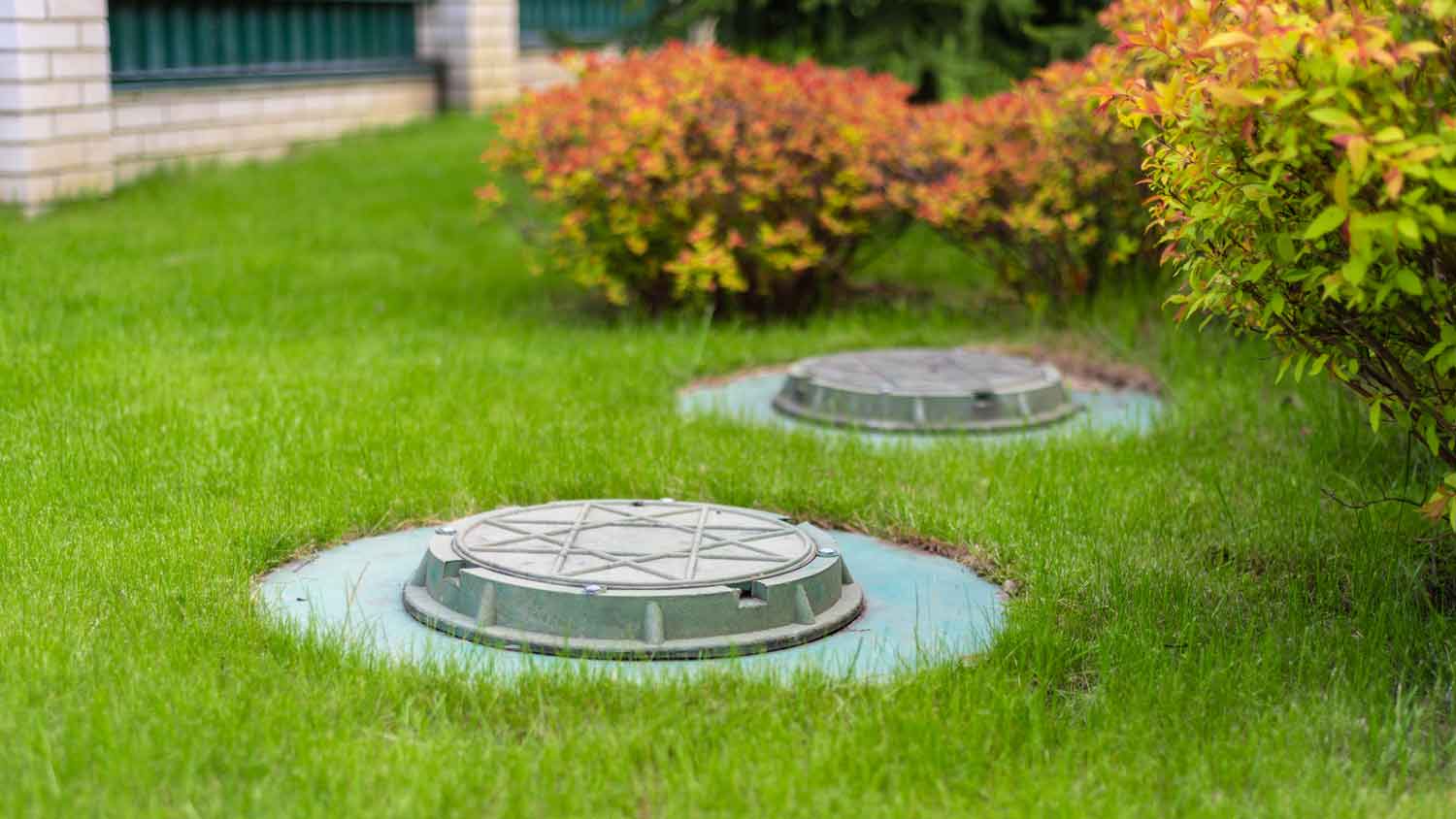
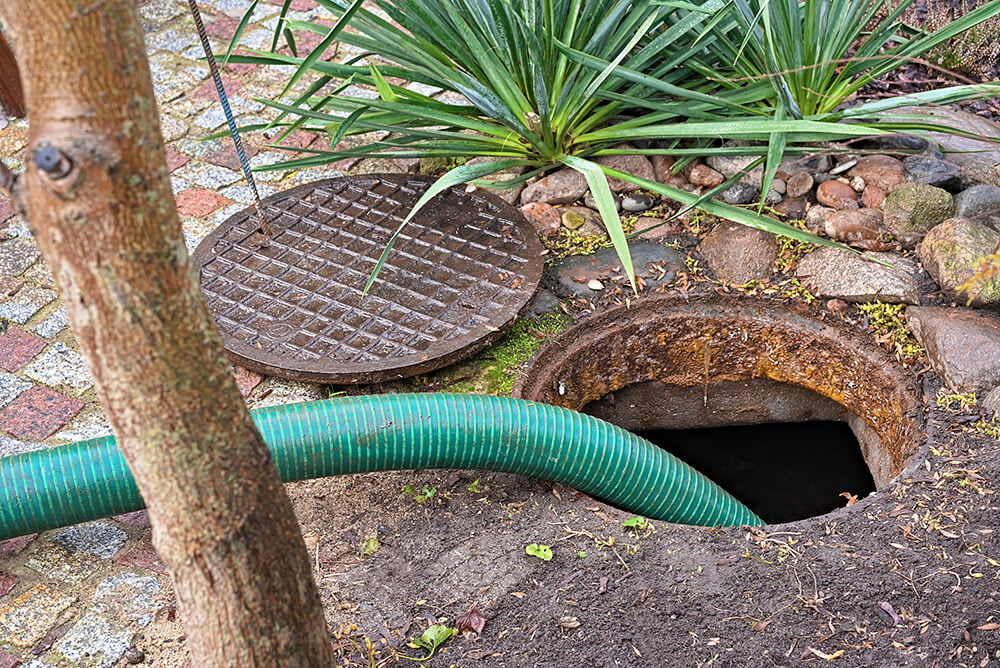
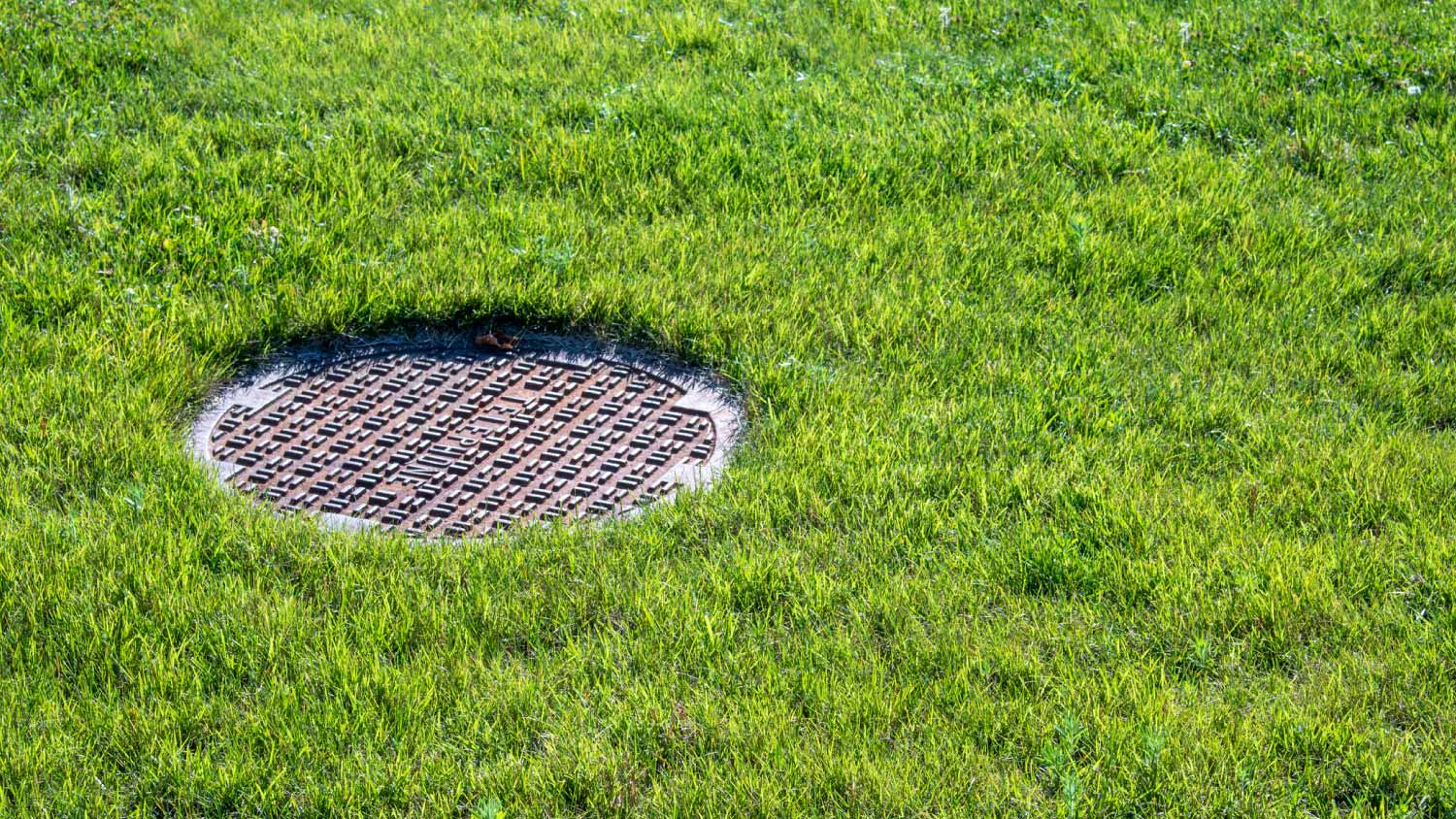
Septic tanks and cesspits are both types of sewage and wastewater systems, but they differ in key ways. The main difference between the two systems is that septic tanks separate sewage from wastewater and allow the latter to flow into a drainage field to filter and disperse into the soil. Cesspits don’t have outlets and instead, store sewage until it needs to be pumped by a professional.
With proper maintenance, most types of septic systems—including mound, evapotranspiration, and constructed wetland systems—can last up to 40 years. To keep your system running as long as possible, follow basic septic tank upkeep guidelines, like pumping your septic tank every three to five years and only flushing human waste and toilet paper.
The size of your septic tank plays a role in determining the proper size of the drain or leach field. As a general rule, you should have 1 square foot of drain field size per gallon of septic tank capacity. However, you could install a leach field that’s as much as 2.5 square feet per gallon of septic tank capacity. Most professionals determine the right septic tank size and drain field size by the number of bedrooms in the house. A three-bedroom house needs a minimum 1,000-gallon septic tank, for example.
Most homeowners know there’s a septic system problem when they can smell one. However, this isn’t exactly a scientific deduction method. Consider some of the other signs: standing water or constantly damp earth in the drainage area, toilets and sinks that won’t drain or frequently back up, and loud plumbing. You really need to be on top of routine maintenance with septic systems in order to avoid such unpleasant symptoms of a septic issue.
A septic system can fail for various reasons, and most commonly, excessive water use or sudden surges in wastewater can overwhelm the system's capacity. Neglecting regular maintenance, like tank pumping and inspections, can also lead to clogs, leaks, and eventual breakdowns. Other issues that lead to failure include age-related wear and tear, root infiltration, improper disposal of non-biodegradable materials or chemicals into the system, unsuitable soil conditions, physical damage, and even environmental factors like flooding or soil erosion.
The Bowman, ND homeowners’ guide to septic tank services
From average costs to expert advice, get all the answers you need to get your job done.
A damaged septic system can leak odors and sewage, so repairs are urgent. Find out how much septic tank repair costs based on repair type, tank size, and more.
It’s crucial to install a septic tank with the right volume to avoid wastewater backups. This guide will help you calculate the right septic tank volume.
Septic tank sizes vary depending on the size of your home, how many people live there, how much water you use, and more. Read on to learn how to determine the right size for you.