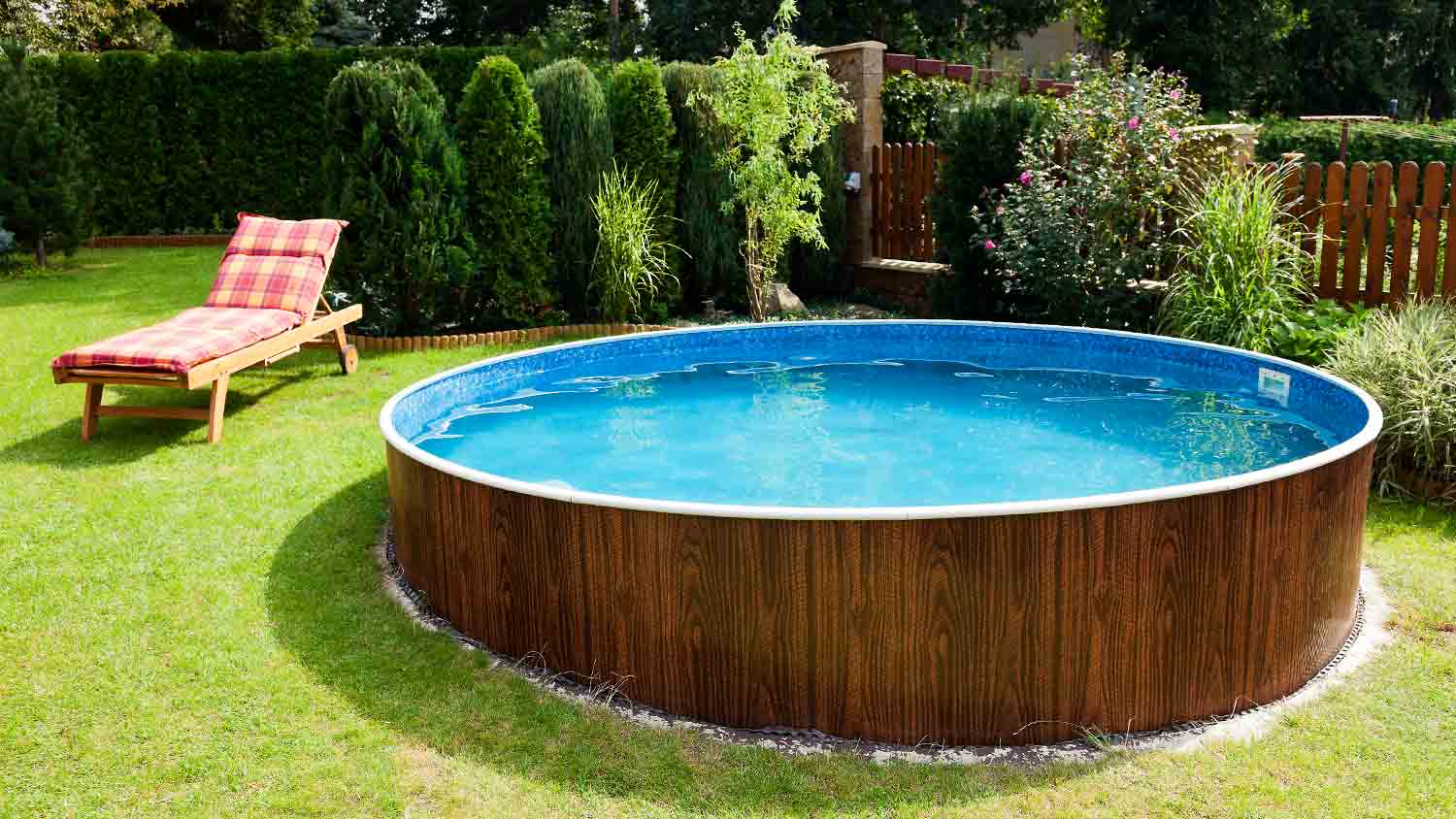





Top-rated above ground pool installation pros.

Get matched with top above ground pool installation pros in Bridger, MT

Enter your zip and get matched with up to 5 pros

Need a pro for your above ground pool installation project in Bridger, MT?

Select your specific project to find the pro for you.

Find Above ground pool installation pros in Bridger

Install Above Ground Pools questions, answered by experts

You should avoid filling your pool overnight—just as a precaution. You’ll want someone around to check on the progress. If your hose springs a leak or you overfill your pool, you could end up with some costly water damage. At worst, you could flood your home’s foundation. For this reason, ensure someone is home and awake, even if your pool takes a couple of days to fill.

Yes, you will need to shock your pool with high levels of chlorine or bromine when you first fill it to kill off bacteria and pathogens. You’ll need to wait for the chlorine concentration to come back down to a safe level before swimming. After that, you can test and maintain the chlorine and other levels as normal. The only exception to this is if you get pool water delivered by a professional. In that case, the water might come pretreated, so you might not need to shock it.

There are a few differences when it comes to winterizing above- vs. inground pools. Above ground pool winterization usually involves less hassle, time, and expense than the process for winterizing an inground pool. All the lines on an above ground pool are easy to access, making draining easier. Plus, above ground pools are typically smaller, meaning cleaning is quicker, and chemicals cost less.

There are some companies that offer acid washes that do not require pool draining. However, the process can take several days and requires a bit more elbow grease to scrub the pool surface compared to draining it entirely. Since your pool surface and age are both a factor, work with a professional to choose the best method.

Yes, pool pumps use a significant amount of electricity, making them one of the biggest energy consumers in a home. A pool pump can use up to three times as much electricity as a refrigerator. Typically, a residential pool pump consumes about 1 kilowatt-hour (kWh) for every hour it runs. Because pumps often need to run for about eight hours a day to properly filter the water, this can add up to an annual consumption of 3,000 to 5,000 kWh, which can cost between $480 and $800 per year based on average electricity rates.

The amount of electricity your pump uses depends on its size, energy efficiency, and daily run time. To lower your energy consumption, you can choose an energy-efficient or variable-speed pump, ensure it is correctly sized for your pool, and run it only for the minimum time required to keep the water clean.

The Bridger, MT homeowners’ guide to above ground pool installation services

From average costs to expert advice, get all the answers you need to get your job done.