





Top-rated mulch and topsoil pros.

Best mulch and topsoil pros near Jackson, MS

Enter your zip and get matched with up to 5 pros

Need a pro for your mulch and topsoil service project in Jackson, MS?

Select your specific project to find the pro for you.

Top-Rated Mulch and topsoil pros in Jackson - Updated Nov 2026

Avatar for EJD LAWNS
EJD LAWNS
5.0(
16
)
Lawn Care - Maintain and Mow a Lawn

Serving Jackson, MS and surrounding areas

Approved

Super Service Award Winner

In business since 2021

Free estimates

Small jobs welcome

"More prompt than others when I made an inquiry about locating lawn care businesses. Very courteous and professional, and not pushy on the needs or the request and reasonably priced.."
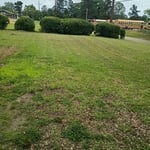
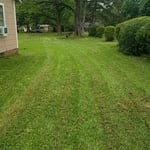
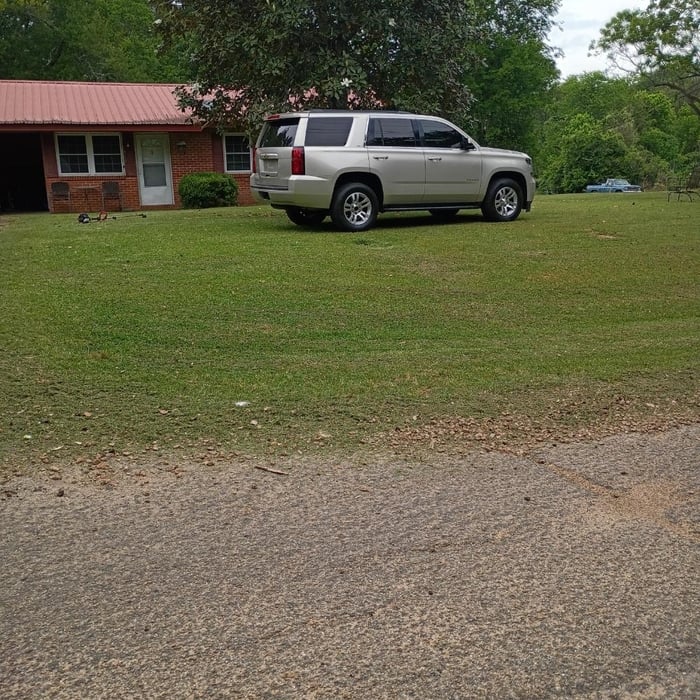
Lawncare
Lawncare
Lawncare
Lawncare
Lawncare

+64

Response time3 hrs
Response rate100%
1 neighbors recently requested a quote
...
Showing 1-10 of 482
Mulch and Topsoil FAQs, answered by experts

The ideal amount of mulch is the square footage of your desired depth in inches divided by 324. Aim to keep your old and/or new mulch at a depth of no more than three or four inches.

In most cases, it’s better to remove rocks before adding mulch. Layering the two will restrict drainage and plant health, and can create an unpleasant texture underfoot.

The best time to lay mulch depends on the type of mulch and the reason for installing it: 

  • Summer: Adding extra mulch helps soil retain moisture and keeps weeds at bay, allowing plants to thrive. 

  • Fall: Adding mulch helps control weeds and keeps soil and roots warm during the cooler months. Aim to add a layer of mulch 2 to 4 inches deep.

  • Winter: Mulch around perennial plants to help keep them insulated.

  • Spring: Wait until the ground has thawed. Depending on the thickness, add between 1 and 4 inches of mulch to provide freeze and rain protection and enrich the soil.

When it rains, decomposed granite can become muddy and mushy in texture and start to wash away, leading to erosion of the surface. Decomposed granite’s inability to endure heavy rainfall is one of its biggest drawbacks.

While they’re popular and have a lot of pros, the cons of river rocks include the following:

  • River rocks don’t break down or provide nutrients to plants. 

  • These stones can get hot and scorch nearby plants. 

  • River stones may heat the surrounding soil to inhospitable temperatures. 

  • Rocks can block rainwater from seeping into the ground if installations are too thick or tightly packed.

Most downsides occur when using river rock as mulch in gardens and flower beds. However, you can still incorporate river rocks into your landscape as long as you use them in the correct ways.

The Jackson, MS homeowners’ guide to mulch and topsoil services

From average costs to expert advice, get all the answers you need to get your job done.