
•
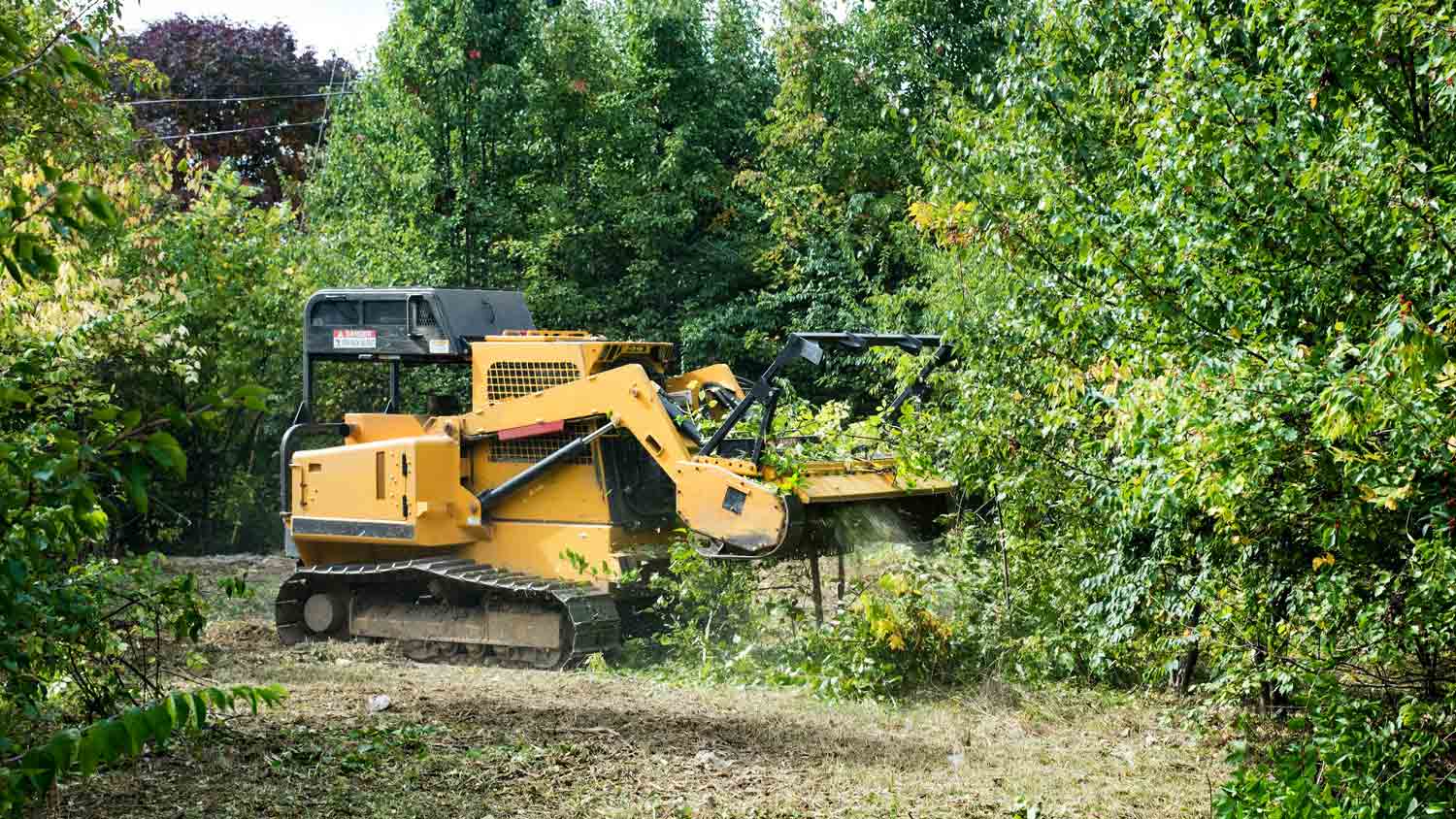
Discover the average forestry mulching cost, including per-acre and hourly rates, plus key factors that impact your total price. Get expert tips to save on your project.
Organic mulch works better than inorganic mulch to keep your yard healthy

Organic mulches decompose over time and add nutrients like nitrogen, phosphorus, and potassium to your soil, keeping your plants healthy and vibrant.
Expect to pay $300 to $500 for mulch delivery and installation for a standard 500-square-foot garden, with materials ranging from $30 to $150 per cubic yard.
Your mulch choice depends on your garden needs: wood chips suit most landscapes, while pine needles work best for acidic-loving plants and existing pine trees.
Hiring a local mulching company provides expert guidance on selecting the right organic mulch type and ensures proper installation for long-term soil health.
Before you bag up those grass clippings and leaves, you might want to reconsider and use them to keep your yard looking pristine instead. Organic mulch provides an environmentally friendly alternative to artificial or treated mulches. Here’s how organic mulch works and what types of organic mulches you can use in your landscape.
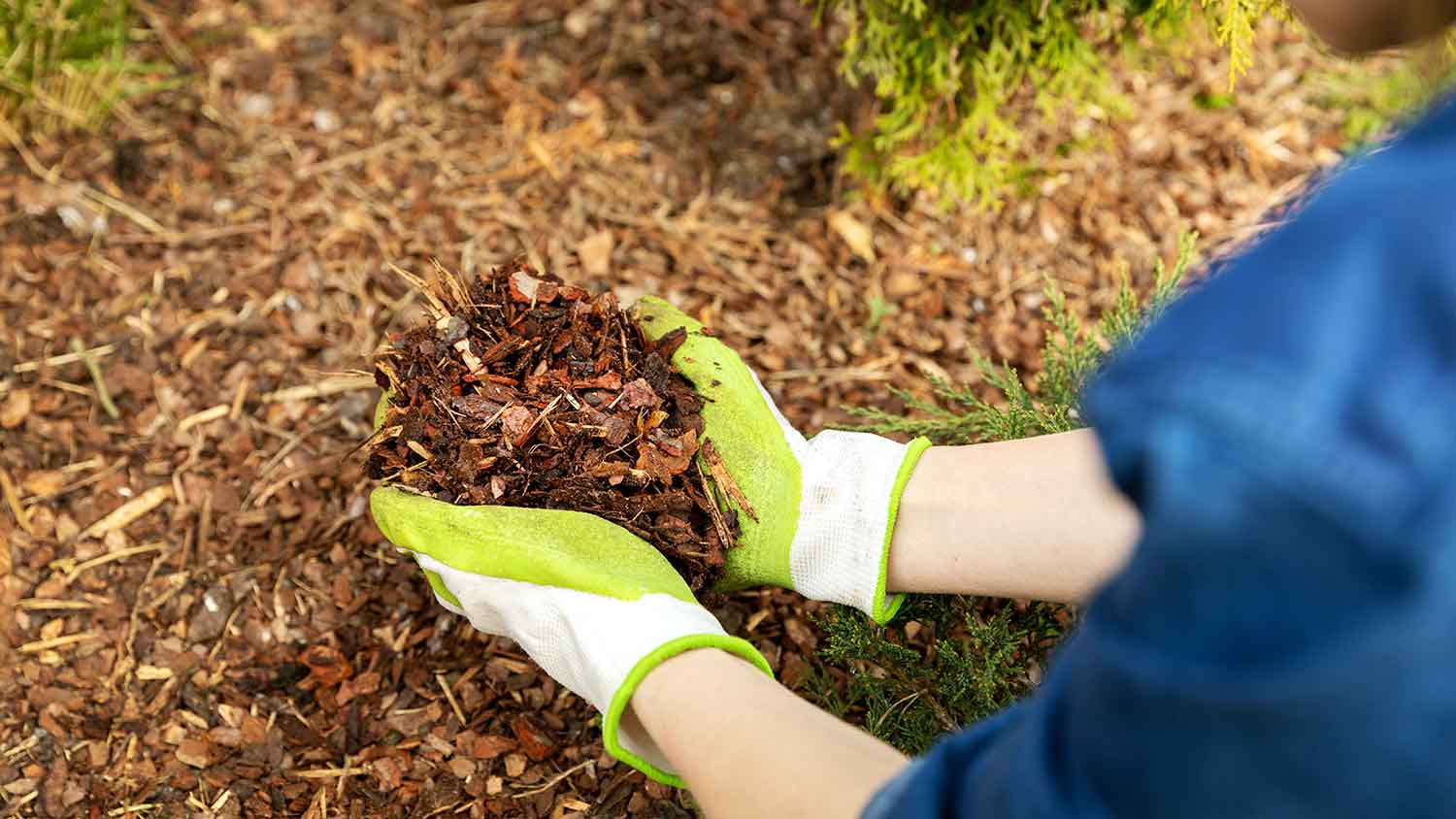
Organic mulch comes from living or natural materials. It often consists of leaves, grasses, pine needles, compost, or straw. When organic mulch decomposes, it adds nutrients to the soil, such as potassium, phosphorus, and nitrogen. However, since it does decompose, it needs to be replenished every year or two.
Since organic mulch slowly decompresses over time, it provides plants and soil with nutrients. Not only does it help preserve water, shield against weed growth, and prevent soil erosion, it can also do wonders for the aesthetics of your landscape.
While organic mulch may seem like a great option, it’s important to note that you will need to replace it every year or two so it maintains its effectiveness. However, it can attract pests that thrive in decomposing material. It’s also important to consider that organic mulch can be messy since natural materials such as leaves and pine needles tend to blow around on windy days.

Inorganic mulch can either be artificial or a mined mineral. Examples include stone, gravel, rubber chips, plastic sheeting, landscape fabric, and other materials that don’t break down. Since these materials don’t break down, your landscape won’t need to be replenished much over time. At the same time, inorganic mulch increases the temperatures of the soil and plants and doesn’t boost your soil’s nutrients.
Organic mulch, on the other hand, is different from inorganic mulch made from organic matter that breaks down over time and adds nutrients to the soil that feeds plants and keeps them healthy and vibrant in your yard.

There are numerous benefits to using organic mulch for your yard. A few pros to choosing mulch are as follows:
Mulch is nutritional: Unlike inorganic mulch, which doesn’t break down much over time, organic mulch decomposes quickly and adds nutrients from microorganisms to the soil in the process.
Mulch preserves water: Mulch helps preserve water lost through evaporation by retaining water underneath it.
Mulch is insulating: Mulch can protect plants from freezing temperatures and scorching summer heat.
Mulch prevents weed growth: Mulch keeps seeds from getting to your soil and blocks sunlight, which in turn keeps out unwanted plants.
Mulch protects against soil erosion: For areas that are susceptible to heavy rain, wind, and snow, mulch can prevent soil loss through erosion.
Organic mulch, as with regular mulch, comes with a few disadvantages. These include:
Organic mulch is more costly than inorganic mulch. While inorganic mulch is more expensive upfront, with rubber mulch costing between $80 to $120 per cubic yard, organic mulch, which costs between $30 and $150 per cubic yard on average, needs to be replaced as it decomposes.
Mulch can harbor unwanted critters. Termites, roaches, ants, mice, and snakes are just a few pests you might find in mulch.
You have to add more mulch over time. Though mulch is beneficial in that it breaks down and adds nutrients to the soil, this can be a con for homeowners who don’t want to have to repeat the installation process and spend extra money to add more mulch.
Organic mulch can harm plants if misapplied. You should apply mulch loosely to prevent it from becoming anaerobic as it decomposes, which can make the soil too acidic and actually kill your plants.
A variety of sources can create organic mulch. Wood chips, bark, sawdust, shredded leaves, pine needles, hay, and straw all make effective organic mulches. The one thing they have in common is that they ultimately decay into humus in the soil, which improves the growing environment for plants by adding nutrients to the soil.
Different mulch materials have different properties, so let’s look at how each type of organic mulch works to see which mulch might be right for your home.
Just looking at wood mulch alone gives you a broad selection of organic options for your landscaping needs. Most wood chips and hardwood mulches cost between $30 to $110, depending on which one you choose.
Popular types of wood mulches include:
Natural colored wood-based mulch
Colored mulch, usually dyed red or black
Bark mulch
Cedar mulch
Pine peelings
If you’re in an area prone to termites, cedar mulch is a great option because it contains natural pest-repelling oils. It does fall on the higher end of the price point, at around $100 per cubic yard, but keeping your property free from termite damage will save you more money down the line.
Straw and hay are very inexpensive, easy to place, and effective at adding nutrients to your yard. Straw mulch costs around $40 per cubic yard, whereas hay can be free if you have tall grass on your property.
Keep in mind that these options have a few negatives, as well. They both have a very distinct aesthetic look that might not match what you’re trying to achieve with your yard. Straw is also fluffy and can blow away in the wind, while hay attracts snails and slugs that eat crops.
Even chocolate can help your yard in a way. Cocoa mulch, made from cocoa bean hulls, is an effective mulch for flower beds, adds a pleasant aroma, and costs about $35 per cubic yard. This mulch is also a natural pest repellent. However, cocoa mulch is not safe for dogs, so avoid spreading it if you have a dog in the family.
Pine needles tend to stick together and last a long time, so they’re good for areas where you don’t want to have to replenish more than once a year. Pine needle mulch is warm and attractive in garden beds, but it’s also one of the most expensive, coming in at $150 per cubic yard on average.
On top of that, the needles are acidic and will make the soil too acidic for most plants to grow if your home has plants that aren’t ideal for acidic soil. If you already have pine trees in your yard, however, your soil is likely already more acidic and won’t affect existing plants.
Though technically not mulch, compost works just as effectively as any organic mulch, as it is rich in nutrients. You can buy it by the bag for around $60 per cubic yard or make your own compost pile with yard clippings and food waste.
All organic mulch works to effectively improve your yard’s soil quality while keeping weeds and water evaporation to a minimum. At the same time, not all yards need water retention. In fact, water retention in a climate that is already very humid and moist can increase mold and decay in the garden.
As always, speak with a mulch and topsoil professional near you to determine which type of mulch will work best with your yard to get the most out of your landscape. Mulch costs between $300 and $400 for the installation, delivery, and material for a typical 500-square-foot garden.
Corey Carr was great. I had damage from a recent storm and needed to have my mast and other components replaced. The project entailed coordinating with AEP, and Corey helped make a stressful situation a lot less stressful. I really appreciated his dedication to service and the job very well done.
 Mr. Electric of Columbus
I recently moved to another state and chose United Trust Van Lines after comparing several companies. Their team was punctual, professional, and extremely careful with my belongings. I was especially impressed with how they handled my home office setup and fragile items. Everything arrived on...
 United Trust Van Lines, LLC
Very professional, knowledgeable and helpful! Completed the install on time and as expected.
 Ward's Services
Cole has been handling plumbing and general contracting for our four properties over the past three years, and he’s always done a great job. Most recently, he installed a sink and countertop in our retail store where none existed before, and it turned out exactly how we needed. He’s...
 ANB Renovations LLC
We have bought and sold numerous times over the past 50 years. Sherman Hall and Top Line are top notch. Thorough and detailed, he explains every possibility, probability, and eventuality. High class and pleasant. The best.
 Top Line Home Inspections, LLC
Very easy to talk to, helped me enormously and will be back for more projects I have. Quick and knowledgeable, very professional and a high quality personality!
 Elwood's Mobile Welding
Couldn't ask for a better company. Josh and Dee were Very professional, efficient, courteous and takes major pride in their work. They will travel to come to your home and will still give you a fair price. They are honest and trust worthy. Their focus is on their work and their work is...
 Supreme brick & chimney
Professional and great to work with. Reliable, detail-oriented and knowledgeable. Will hire again in the future!
 P&P Painting, LLC
It was a difficult job and Robert and his son worked diligently to get it done.
I had a tight deadline for a commercial painting project, and Custom Paint Jobs LLC delivered on time and within budget. Their efficiency and quality are top-notch.
 Custom Paint Jobs, LLC
From average costs to expert advice, get all the answers you need to get your job done.
Discover the average forestry mulching cost, including per-acre and hourly rates, plus key factors that impact your total price. Get expert tips to save on your project.
Discover mulch removal cost estimates. Discover what influences pricing, compare DIY vs. professional services, and find expert tips to save on your mulch removal project.
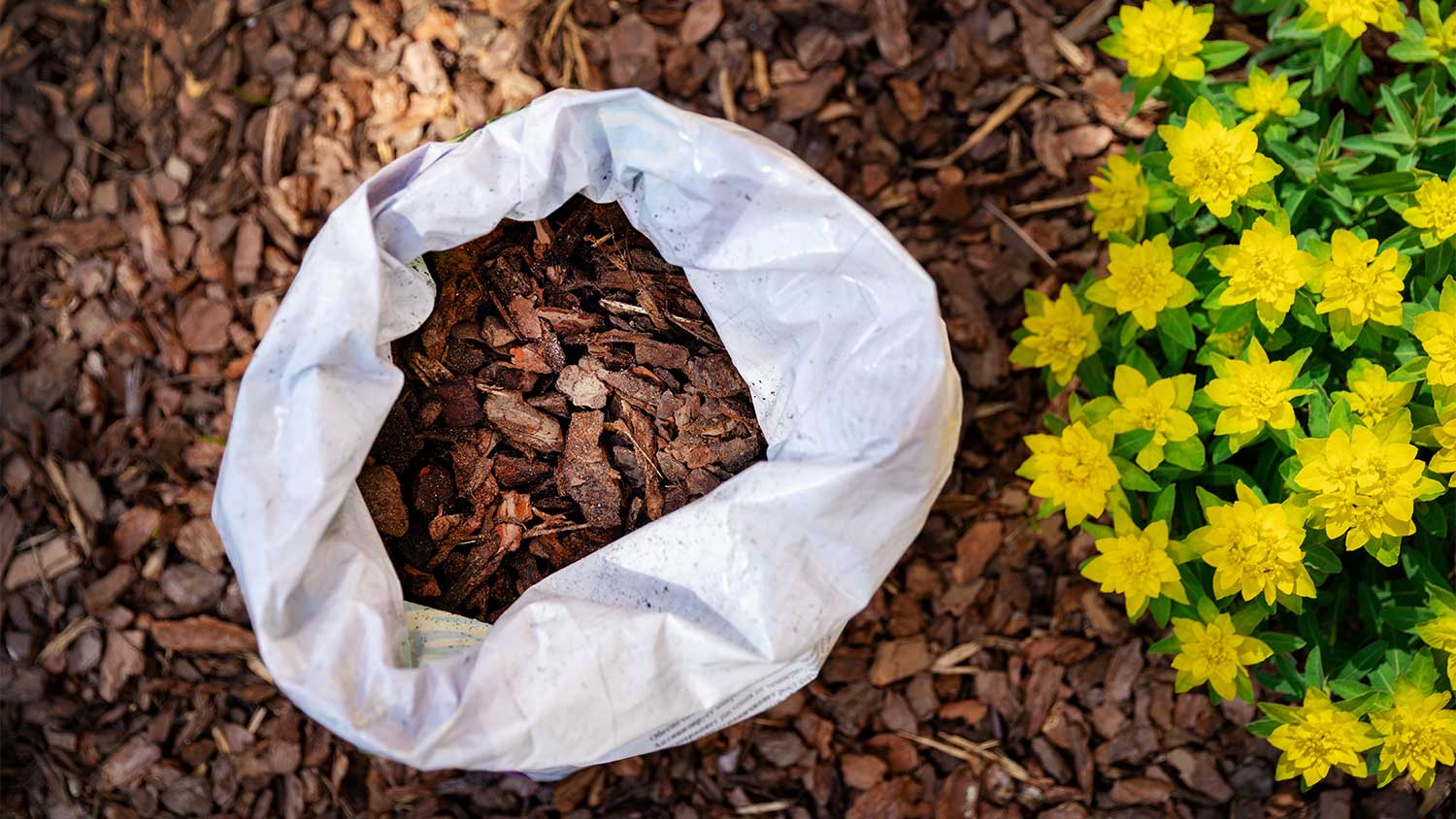
Find out the average mulch delivery and installation cost, plus key factors that impact your price. Learn how to budget, compare options, and save on your landscaping project.
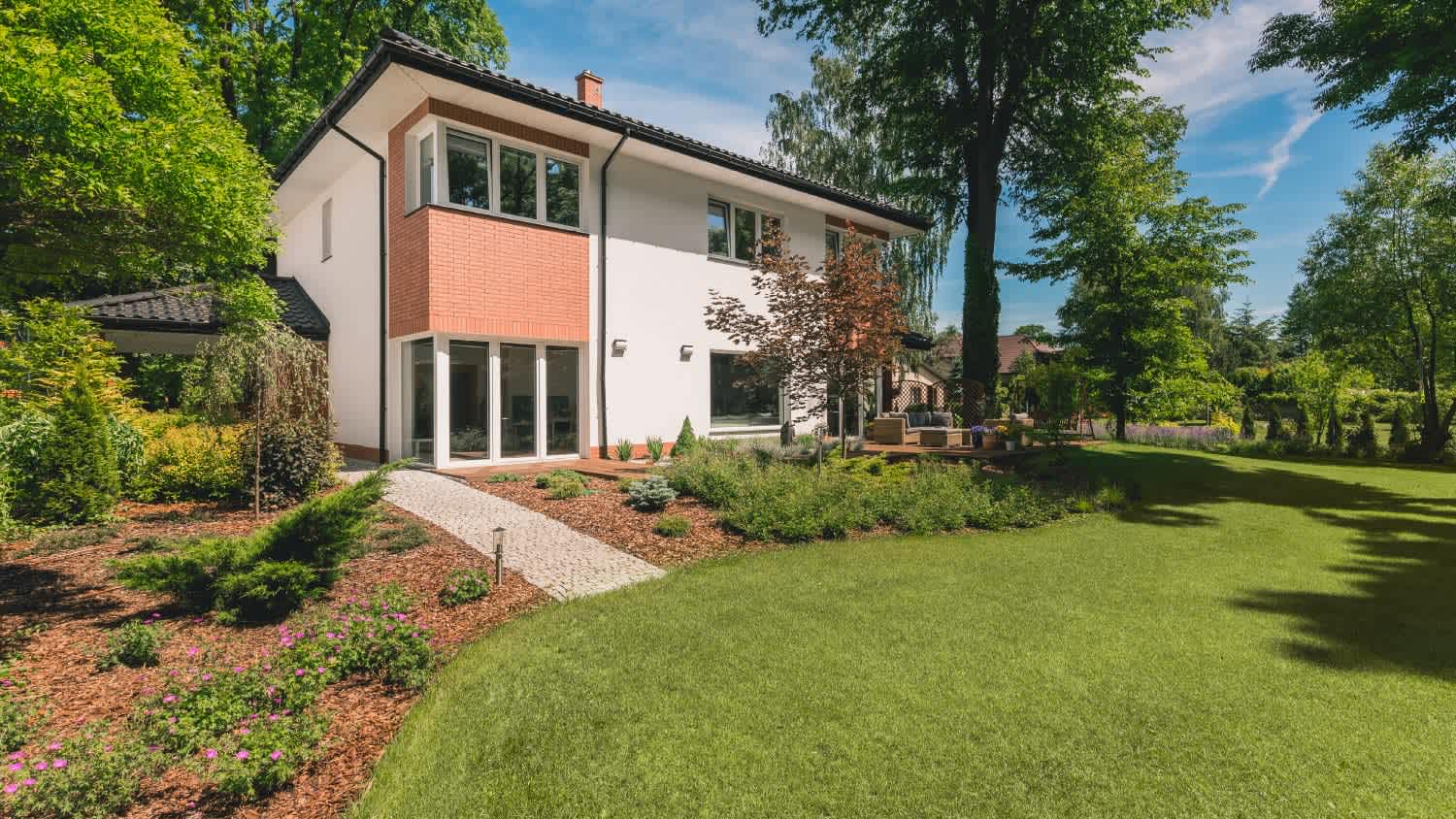
From wood chips to grass clippings, we like to throw around the word mulch. But what is mulch, and how do you use it properly? Let's break it down.

It’s trendy among the environmentally conscious, but does organic lawn care work? Here’s how organic lawn products hold up against synthetic stuff.
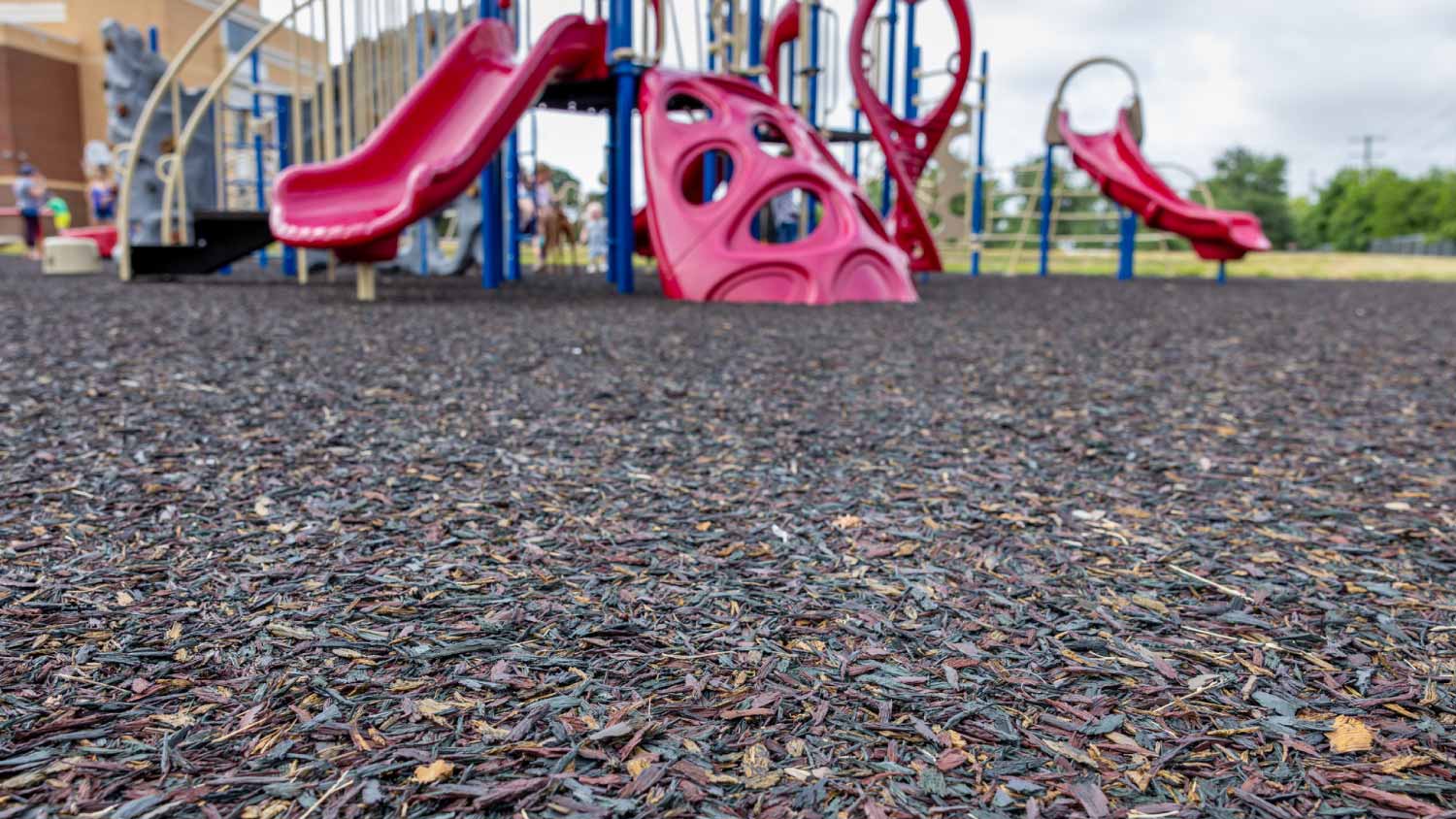
How long does rubber mulch last? It can last over a decade, making it a long-lasting alternative to organic mulch. Learn about its lifespan and maintenance.