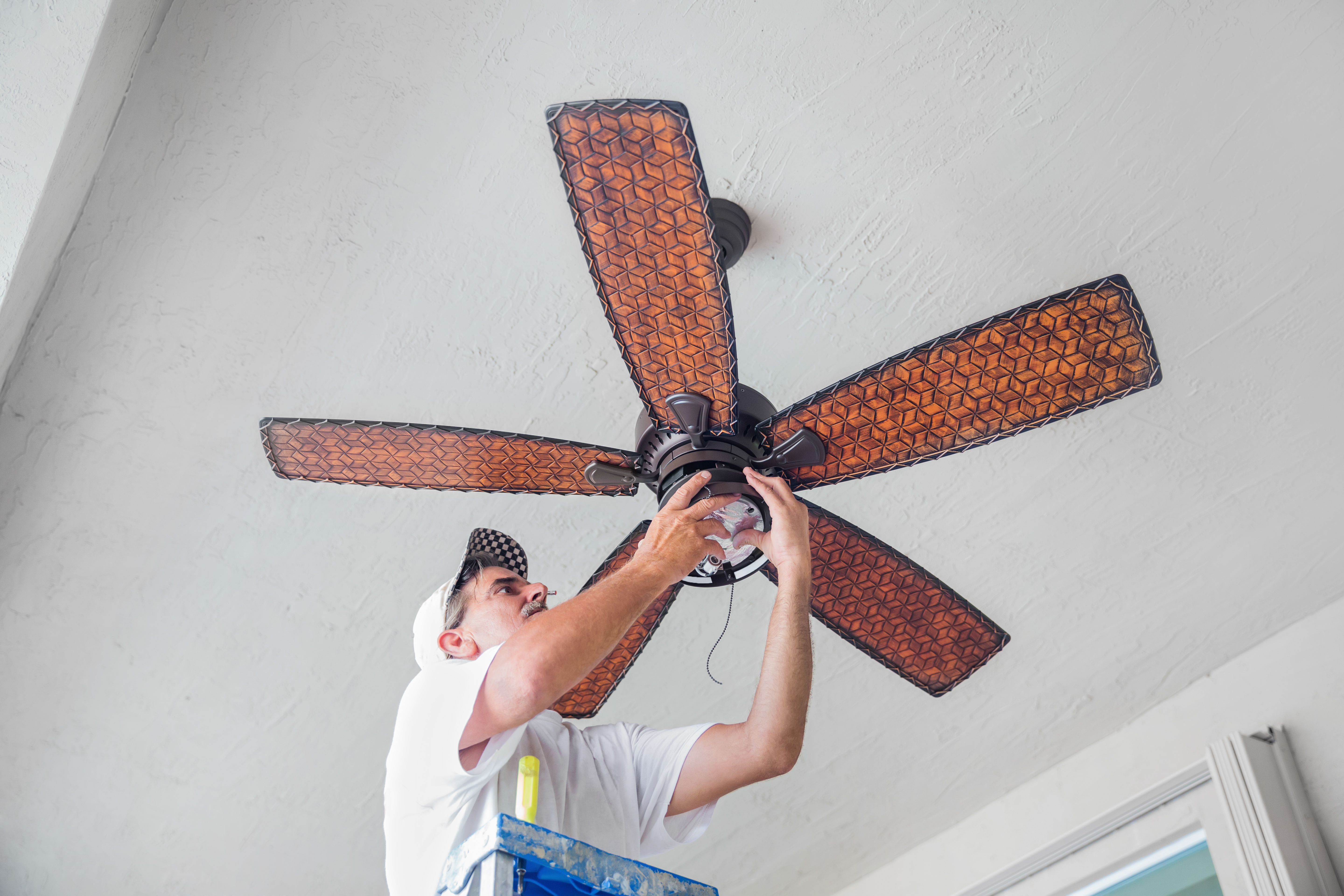








Get matched with top ceiling fan pros in Jackson, MS

Jackson homeowners rate ceiling fan pros in our network

4.5

(10 reviews)

Top-rated ceiling fan pros.

Need a pro for your ceiling fan service project in Jackson, MS?

Select your specific project to find the pro for you.

Find Ceiling fan pros in Jackson

Nail Electric
New to Angi

Serving Jackson, MS and surrounding areas

Approved

Hey everyone my names Parker Nail. I’m excited to launch my LLC. I’ve been doing Electrical work for 4 years now. I’m always looking for side work and would be happy to handle any type of electrical service needed. My goal is to provide quality and safe work that you can rely on. I’m available after I get off work during the week and on weekends.

...
Showing 1-10 of 113
Ceiling Fans questions, answered by experts

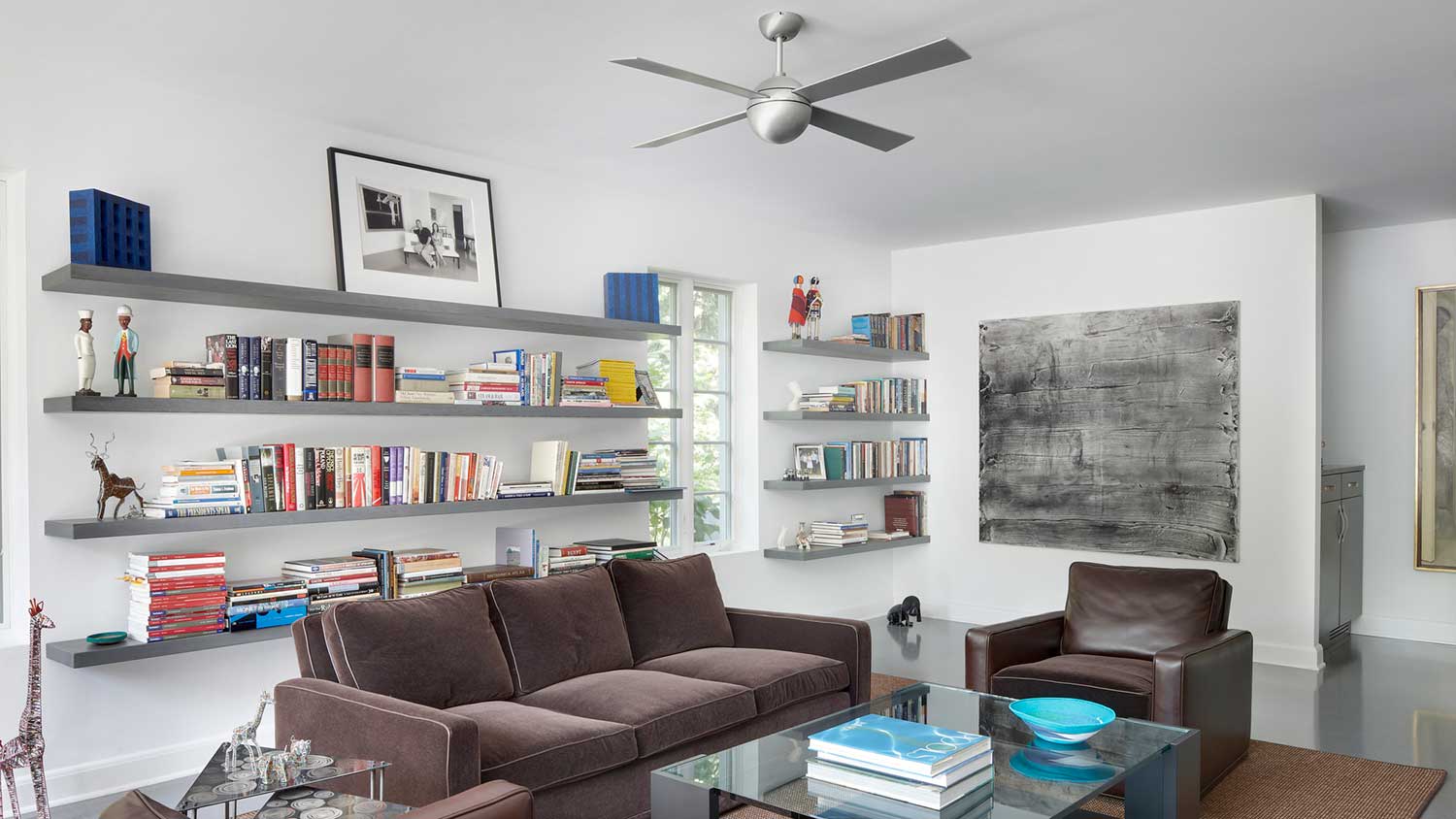
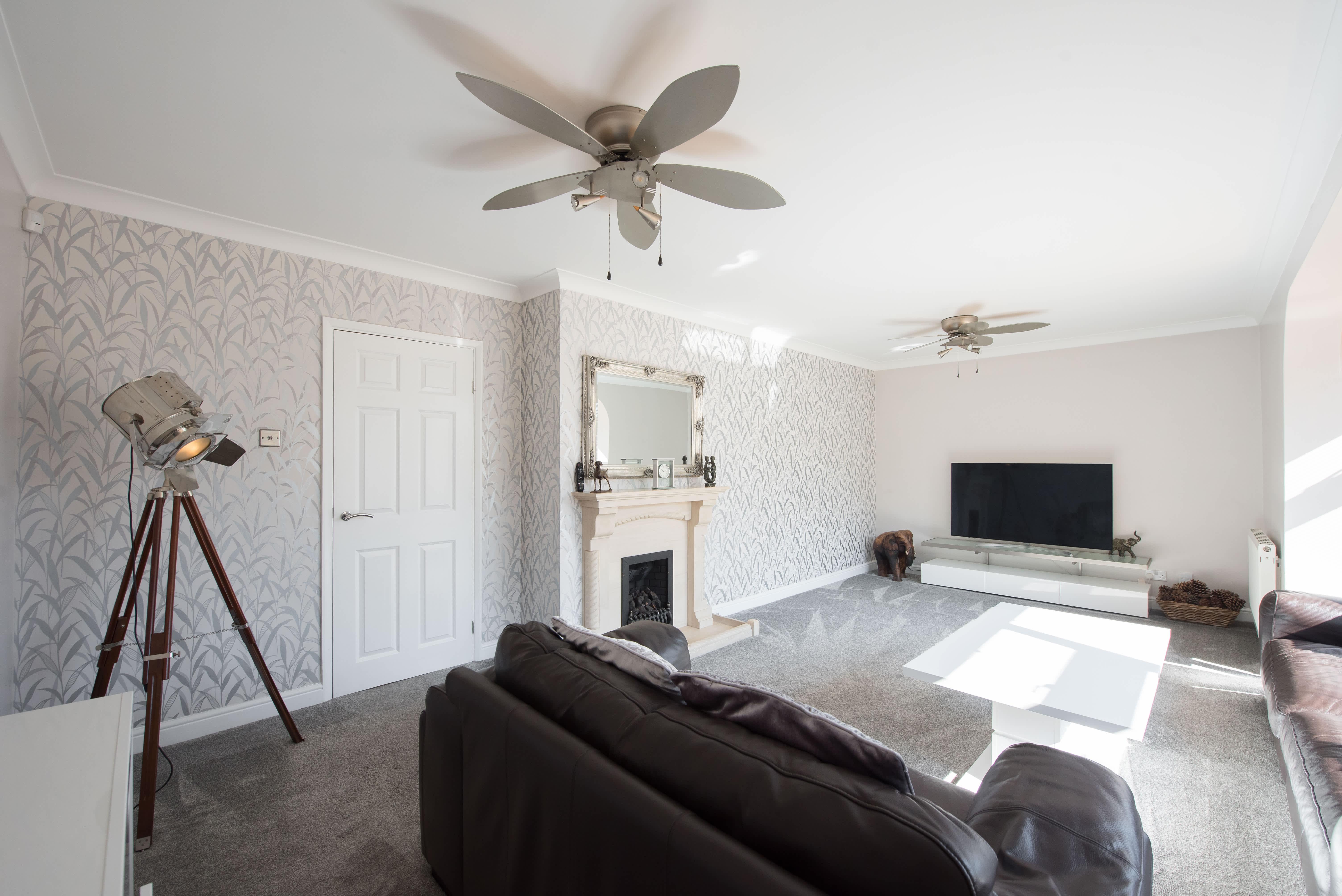
There are many types of ceiling fans available, each designed for different spaces and needs. Standard ceiling fans are the most common type and work well in most rooms. Low-profile ceiling fans are better suited for rooms with low ceilings. Smart ceiling fans can be controlled with a smartphone or voice commands. For larger spaces with ceilings between 10 and 25 feet high, large ceiling fans are ideal. Dual-motor fans have two motors to produce more airflow in multiple directions. You can also find energy-efficient or Energy-Star models that can be up to 60% more efficient, as well as fans with built-in lights or retractable blades.

If you’re replacing an old fixture with a ceiling fan, you usually won’t need a permit, but if your electrician runs new wiring for the fixture, you likely will need a permit. Building permits are necessary in most municipalities if you’re making changes to your electrical system, so even if you have partial wiring run to the area and need new wiring installed for added functionality, you’ll probably need a permit. Your electrician should be able to let you know if you need one, and they’ll typically file the paperwork for you.

Ceiling fans are very often worth the investment because they improve comfort in your living space and help reduce utility bills. In the late spring and early fall—and even in the summer in some areas—homeowners with ceiling fans can often get away with open windows and fans, which can cut down on cooling bills and also reduce wear and tear on the HVAC system. Over time, ceiling fans can pay for themselves by saving you money on electric bills and air conditioner repair and maintenance.

Though possible, installing a ceiling fan yourself requires electrical knowledge and confidence working with home wiring. Following the manufacturer's instructions carefully and observing safety precautions are crucial components of a DIY installation.

The direction your ceiling fan spins helps create comfortable airflow in your home and can also help cut down on energy costs. 

During summer, your ceiling fan should spin counterclockwise. This will push cooler air downward in a column and help lower your room’s air temperature. In the winter, set your ceiling fan to spin clockwise and at the lowest speed setting. This will pull cool air upwards, displacing the warm air that pools towards the top of your ceiling and bringing it down towards the floor.

The Jackson, MS homeowners’ guide to ceiling fan services

From average costs to expert advice, get all the answers you need to get your job done.