






Top-rated excavation pros.

Get matched with top excavation pros in Van Buren, MO

Enter your zip and get matched with up to 5 pros

Need a pro for your excavation project in Van Buren, MO?

Select your specific project to find the pro for you.

Find Excavation pros in Van Buren

Avatar for Rymer Dozer & Backhoe Service, Inc.
Rymer Dozer & Backhoe Service, Inc.
5.0(
2
)

Serving Van Buren, MO and surrounding areas

Approved

In business since 2004

Free estimates

Credit card accepted

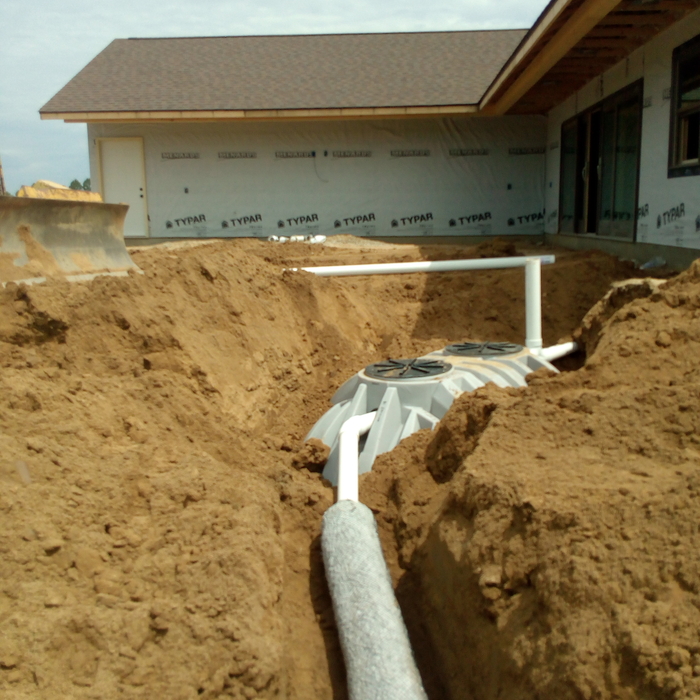
"They came and dug a new leach line that had been crushed from previous work done on the land. They were very professional and worked very hard to complete the job. It was not an easy task due to an abundance amount of very large rocks where we needed the new leach line. But they worked hard and made it happen. Very pleased with their work and effort from Wappapello, MO."
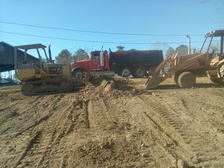
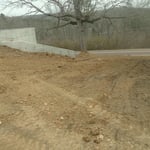
Excavated basement
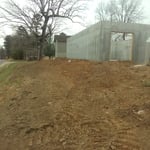
Excavated basement
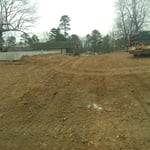
Excavated basement
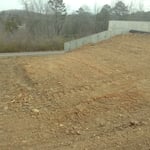
Excavated basement
Sewer system

+2

Response time6 hrs
Response rate98%
Recommended by100%of homeowners
Showing 1-10 of 30
Excavating questions, answered by experts

As a general rule, the protected area should be about 1½ times as wide as the canopy of the tree’s leaves. This digging measurement can vary by tree species and the age of the tree. Of course, that can be a lot of fencing for larger trees, which is why our first step is about making difficult decisions on which trees to save.

Chipmunks dig their burrows about three feet deep and up to 30 feet long. The entrances can be two inches wide or more. Chipmunks are fiercely protective of their burrows and use them to protect the nuts and seeds they gather for the long winters.

We recommend removing the stump, and grinding is a popular way to do it. You can also dig out small stumps or stumps that have fully decayed instead of grinding them. However, don’t try using acids or fire for killing a tree stump, which is a fire hazard and illegal in many areas.

Leaving the stump alone invites eventual problems, including attracting termites, mold, and fungi.

Septic drain lines (or leach lines) are typically buried between 18 and 36 inches underground, and should be at least 6 inches below the surface. These pipes are perforated and surrounded by filtering materials like sand or gravel. Burying the lines at this depth helps minimize odors and allows bacteria and other biological processes in the soil to effectively treat the wastewater. Burying lines too close to the surface can cause issues unless the soil is very compact and stable.

Depending on the severity of the freeze and the method used, thawing frozen underground pipes can take anywhere from 30 minutes to several hours. Applying heat directly to the pipe using heat tape, infrared lamps, or hot water jetting can speed up the process. However, patience and careful monitoring are key to avoiding pipe damage.

The Van Buren, MO homeowners’ guide to excavation services

From average costs to expert advice, get all the answers you need to get your job done.