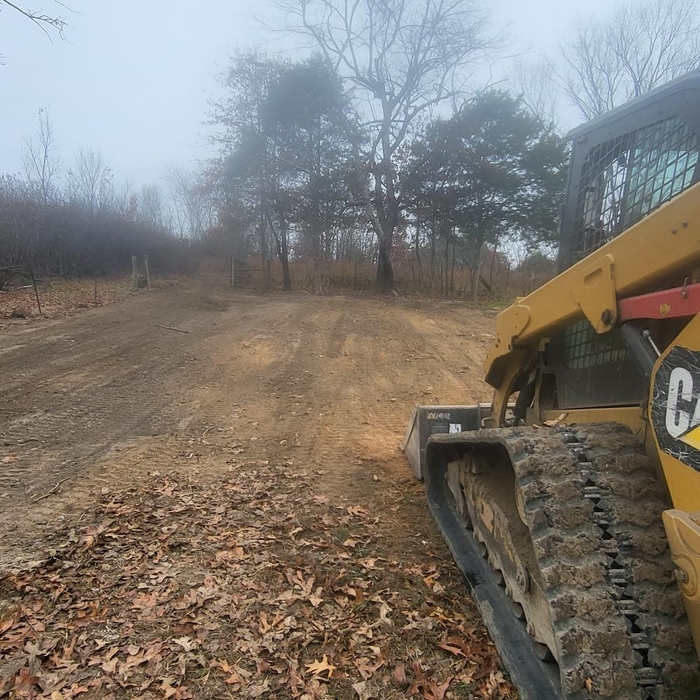



Top-rated excavation pros.

Get matched with top excavation pros in West Plains, MO

Enter your zip and get matched with up to 5 pros

Need a pro for your excavation project in West Plains, MO?

Select your specific project to find the pro for you.

Find Excavation pros in West Plains

Avatar for Down & Dirty Land Clearing LLC
Down & Dirty Land Clearing LLC
5.0(
11
)
Building Site - Preparation and ClearingExcavation - Major Grading or ReslopingBuilding Site - Preparation and Clearing - For Business+1 more

Serving West Plains, MO and surrounding areas

In business since 2019

Free estimates

Credit card accepted

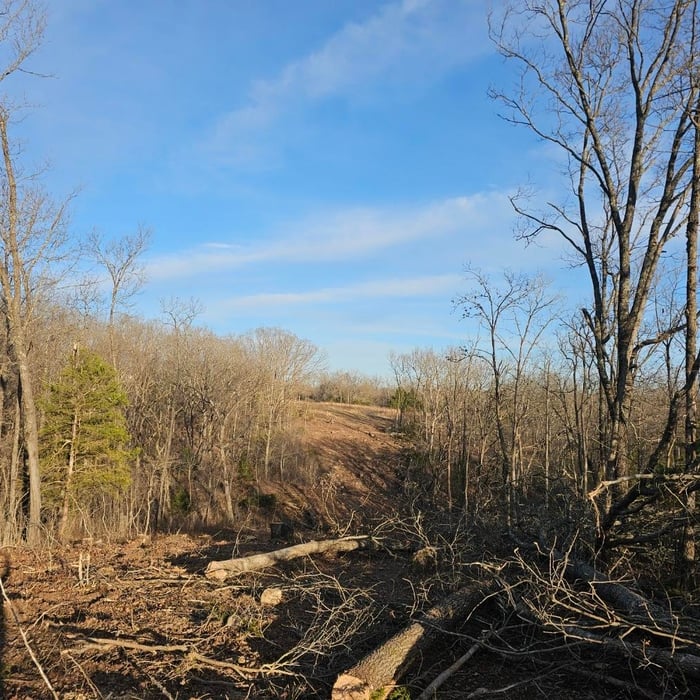
"For the past two years, Tim and Down & Dirty Land Clearing have done my site work, excavating, and trail making. Excellent workmanship and a clear commitment to safety every step of the way. Tim genuinely cares about doing the job right. I will continue my relationship with Down & Dirty and can comfortably recommend them."
Resort building
Resort building
Resort building
Resort building
Resort building

+5

11 neighbors recently requested a quote
Showing 1-10 of 31
Excavating questions, answered by experts

No, you typically cannot use metal detectors to find your sewer line. Most sewer lines are made of non-metallic materials such as PVC, clay, or cast iron, which are not detectable by standard metal detectors. Metal detectors are designed to locate metallic objects, so they won't be effective for identifying the path of a non-metallic sewer line. To locate your sewer line accurately, it's best to use other methods.

Trenching and boring are two distinct methods for installing underground utilities. Trenching involves digging a channel using equipment like an excavator, trencher, backhoe, or shovel. While it is a simpler process, it causes significant disruption to the surface, landscaping, and surrounding ecosystems.

Boring, also known as directional boring, is a less invasive alternative that uses a drill to create a tunnel for utility lines without disturbing the surface. This method is more precise and is ideal for installations that need to go underneath buildings, roads, or bodies of water. Although boring is less disruptive, it is generally more expensive than trenching.

Septic drain lines (or leach lines) are typically buried between 18 and 36 inches underground, and should be at least 6 inches below the surface. These pipes are perforated and surrounded by filtering materials like sand or gravel. Burying the lines at this depth helps minimize odors and allows bacteria and other biological processes in the soil to effectively treat the wastewater. Burying lines too close to the surface can cause issues unless the soil is very compact and stable.

Excavation is priced in cubic yards, so you’ll need to find the volume of the area in order to calculate costs. Multiply the length, width, and proposed depth of your excavation site, then convert it into yards to get the volume. Multiply this figure by the price per cubic yard.

Most homeowners can measure by hand to get a rough estimate, even if it’s tedious. You may want to pull out a tape measure or use a string to help mark the area.
While general contractors sometimes handle demolition, you can also look specifically for local demolition contractors. Demolition experts need to understand structural integrity, the equipment needed for safe demolition, and the permits required for demolition.

The West Plains, MO homeowners’ guide to excavation services

From average costs to expert advice, get all the answers you need to get your job done.