

Top-rated excavation pros.

Best excavation pros near Salem, MO

Enter your zip and get matched with up to 5 pros

Need a pro for your excavation project in Salem, MO?

Select your specific project to find the pro for you.

Top-Rated Excavation pros in Salem - Updated Nov 2026

Avatar for YB Asphalt Maintenance LLC
YB Asphalt Maintenance LLC
4.6(
11
)
Building Site - Preparation and Clearing

Serving Salem, MO and surrounding areas

Approved

In business since 2025

Free estimates

Offers commercial services

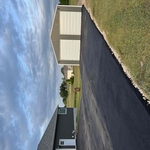
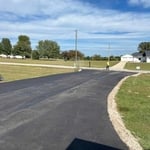
"Had YB Asphalt Maintenance come out on 2 occasions, once for a 5000 square foot parking area and another for a 1000 foot long 12 foot wide driveway. The pricing was very fair and competitive, the quality of work was top notch. I would recommend YB Asphalt for any asphalt maintenance needs. Will call them in the future to seal my new pavement."
New Residential Jobs
Before
New Residential Jobs
2 neighbors recently requested a quote
Avatar for Down & Dirty Land Clearing LLC
Down & Dirty Land Clearing LLC
5.0(
11
)
Building Site - Preparation and ClearingBuilding Site - Preparation and Clearing - For BusinessExcavation - Major Grading or Resloping+1 more

Serving Salem, MO and surrounding areas

In business since 2019

Free estimates

Credit card accepted

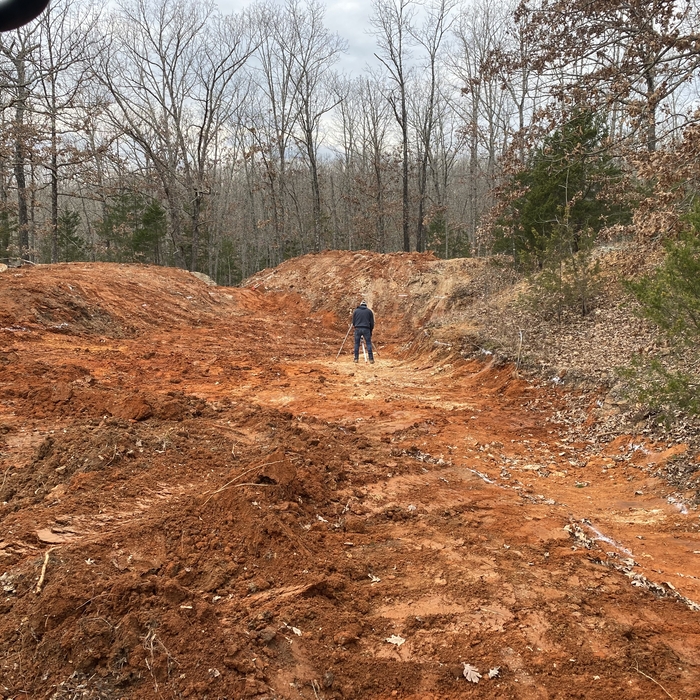
"For the past two years, Tim and Down & Dirty Land Clearing have done my site work, excavating, and trail making. Excellent workmanship and a clear commitment to safety every step of the way. Tim genuinely cares about doing the job right. I will continue my relationship with Down & Dirty and can comfortably recommend them."
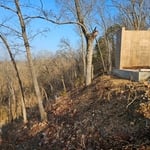
Resort building
Resort building
Resort building
Resort building
Resort building

+5

...
Showing 1-10 of 59
Excavating FAQs, answered by experts

Sewer lines can be buried anywhere from 18 inches to 8 feet deep, with a common average depth between 18 and 30 inches. The exact depth depends on local factors like climate and soil type. In colder regions, pipes must be buried deeper (below the frost line) to prevent freezing, sometimes as deep as 8 feet. The digging depth can also impact the cost of sewer line replacement. To find the specific depth for your property, you can check the building plans for your system, which should be on file with your city or local sanitation department since permits are required for installation.

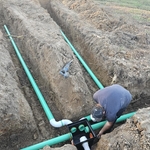
No, a ditch isn’t a trench. A ditch is an open, relatively shallow channel that’s carved out of the ground and used for drainage purposes. In contrast, a trench is a deeper excavation that’s entirely underground. Trenches have many uses, including gas lines, sewage systems, and electrical wiring. Unlike trenches, ditches don’t get filled back in with dirt after they’re dug.

We recommend removing the stump, and grinding is a popular way to do it. You can also dig out small stumps or stumps that have fully decayed instead of grinding them. However, don’t try using acids or fire for killing a tree stump, which is a fire hazard and illegal in many areas.

Leaving the stump alone invites eventual problems, including attracting termites, mold, and fungi.

Hardscaping often requires preparation of the ground in the area where the feature is being installed. This can include digging, compacting, and leveling the soil, ensuring adequate drainage, and removing any existing plants. The extent of preparation needed will depend on the type and size of the hardscaping feature being installed.

A walk-behind trencher can cut through roots as long as they’re not too thick, making a project much easier than digging with a shovel and other hand tools. Assess your terrain and the number of trees in the surrounding area to determine if a walk-behind trencher will ease the job. Digging a trench by hand is much more time-consuming and labor-intensive. 

The Salem, MO homeowners’ guide to excavation services

From average costs to expert advice, get all the answers you need to get your job done.