





Top-rated excavation pros.

Get matched with top excavation pros in Fairdealing, MO

Enter your zip and get matched with up to 5 pros

Need a pro for your excavation project in Fairdealing, MO?

Select your specific project to find the pro for you.

Find Excavation pros in Fairdealing

Avatar for Rymer Dozer & Backhoe Service, Inc.
Rymer Dozer & Backhoe Service, Inc.
5.0(
2
)

Serving Fairdealing, MO and surrounding areas

Approved

In business since 2004

Free estimates

Credit card accepted

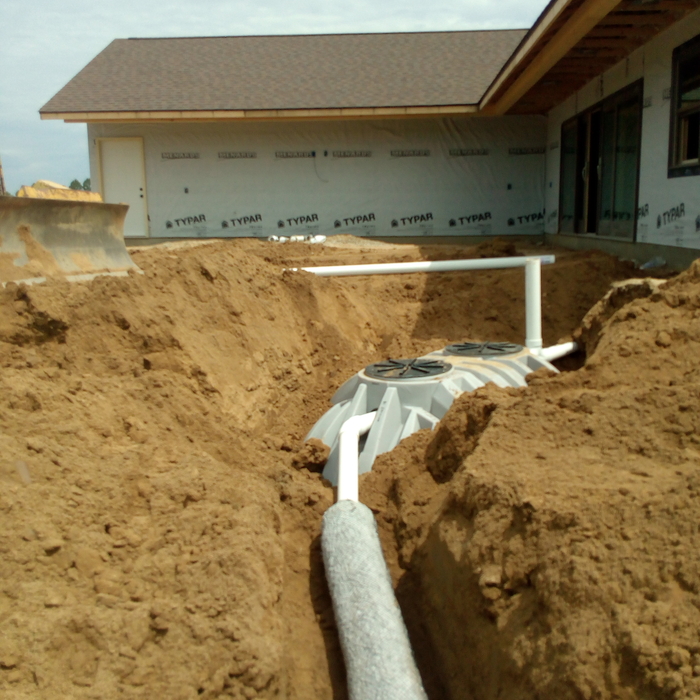
"They came and dug a new leach line that had been crushed from previous work done on the land. They were very professional and worked very hard to complete the job. It was not an easy task due to an abundance amount of very large rocks where we needed the new leach line. But they worked hard and made it happen. Very pleased with their work and effort from Wappapello, MO."
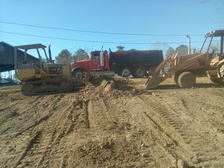
Excavated basement
Excavated basement
Excavated basement
Excavated basement
Sewer system

+2

Response time6 hrs
Response rate98%
Recommended by100%of homeowners

Showing 1-10 of 24
Excavating questions, answered by experts

If you have a broken sprinkler pipe underground, there will be some signs you can easily spot to locate it and take action. These include leaks, water spouts, flooding, consistently damp areas on your lawn, low water pressure, and grass around the sprinkler head that’s taller and darker than anywhere else in the yard. 

If there are no obvious signs of a broken pipe, you can use tools such as water leak mics, leak noise loggers, audio devices that record leaks, and acoustic testing links. 

Broken pipes can lead to uneven watering, plant damage, and higher utility bills. The longer you wait to fix them the more the repair cost may be.

Skunk digging looks like a series of small, cone-shaped holes on a lawn or around the perimeter of a home, porch, deck, or shed. The holes that skunks dig when searching for grubs tend to be no more than four inches in diameter and may be up to four inches deep.

Slab foundations are more affordable than crawl spaces because they require minimal excavation, as the slab sits directly on the ground or on footers that only sink a few feet into the ground. Crawl spaces require excavation of the entire footprint of the home to several feet below the surface. Not only does that mean higher labor costs, but more materials are necessary for the concrete foundation walls.

There is no standard depth for burying a septic tank; they are typically buried anywhere from 4 inches to 4 feet underground. The final depth depends on several factors, including the depth of your main sewer line, the height of the bedrock, soil type, local regulations, and the property's landscape. If you plan to grow grass or plants over the tank, a depth of at least 4 to 6 inches is recommended. Deeper tanks can be more difficult to locate, but a septic professional can help find it for you.

The rules for trenching and excavation include setting up and following safety protocols, learning how to use tools and machines properly, and ensuring there is a safe exit for all workers. Keep heavy equipment and materials away from the edge of the hole or trench. Call the 811 dig line before starting any excavation or trenching project to ensure you don’t hit any electrical or gas lines.

The Fairdealing, MO homeowners’ guide to excavation services

From average costs to expert advice, get all the answers you need to get your job done.