







Top-rated excavation pros.

Get matched with top excavation pros in Poplar Bluff, MO

Enter your zip and get matched with up to 5 pros

Need a pro for your excavation project in Poplar Bluff, MO?

Select your specific project to find the pro for you.

Find Excavation pros in Poplar Bluff

Avatar for Rymer Dozer & Backhoe Service, Inc.
Rymer Dozer & Backhoe Service, Inc.
5.0(
2
)

Serving Poplar Bluff, MO and surrounding areas

Approved

In business since 2004

Free estimates

Credit card accepted

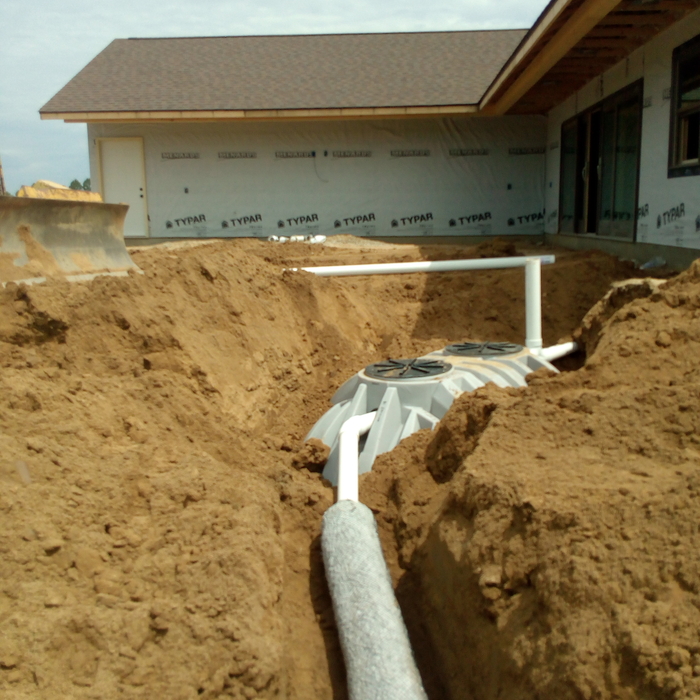
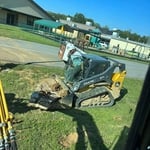
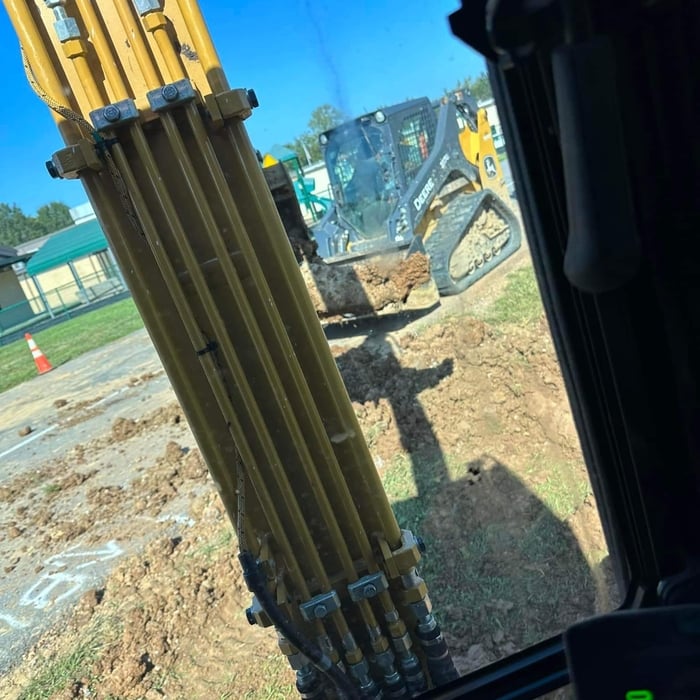
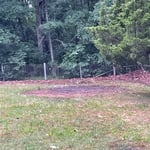
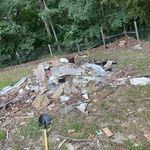
"They came and dug a new leach line that had been crushed from previous work done on the land. They were very professional and worked very hard to complete the job. It was not an easy task due to an abundance amount of very large rocks where we needed the new leach line. But they worked hard and made it happen. Very pleased with their work and effort from Wappapello, MO."
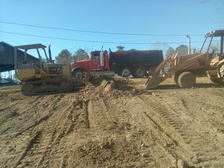
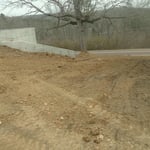
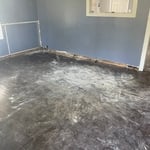
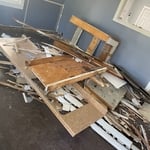
Excavated basement
Excavated basement
Excavated basement
Excavated basement
Sewer system

+2

Response time6 hrs
Response rate98%
Recommended by100%of homeowners
Showing 1-10 of 33
Excavating questions, answered by experts

In the United States, a depth of 36 inches (three feet) for underground water lines is the accepted industry standard. This depth varies from location to location based on local conditions. In areas with colder winters, they may be buried deeper to prevent frozen well water pipes : This is usually at least six inches below the frost level. The International Plumbing Code calls for a minimum of 12 inches below grade.

The average cost for pool excavation is $2,500. This cost can range from $450 to $4,500, depending on the pool shape and size, time of year, and any need to move buried utilities. 

When excavating for your pool, you might have to move existing utilities. You can expect to pay an additional $15 to $25 per linear foot to move gas lines. To move a septic system, it’ll cost an additional $2,000 to $20,000. A pool that is 10 feet by 12 feet averages $450 to excavate, and a 20-foot-by-40-foot pool averages $3,020.

A trench that is less than 5 feet deep often doesn't require a protective system. Most residential trenches will not go this deep (the typical residential drainage trench is just 18 inches deep). In the event that an excavator needs to dig more than 5 feet beneath the surface, a protective system is required unless the excavation is in entirely stable rock.

Excavation and grading are both generally necessary for designing your foundation, and leveling the ground where your foundation will go. These steps can also prepare the area by removing vegetation and anything else that could interfere with your home’s foundation.

Yes. A metal detector is one of the quickest and easiest ways to find your septic tank. However, metal detectors can be too expensive (costing upward of $300 in some cases), and not everyone has a metal detector just lying around. If that’s the case for you, you can also take a long metal rod and poke it into the ground at regular intervals until you hit something—likely your septic tank lid.

The Poplar Bluff, MO homeowners’ guide to excavation services

From average costs to expert advice, get all the answers you need to get your job done.